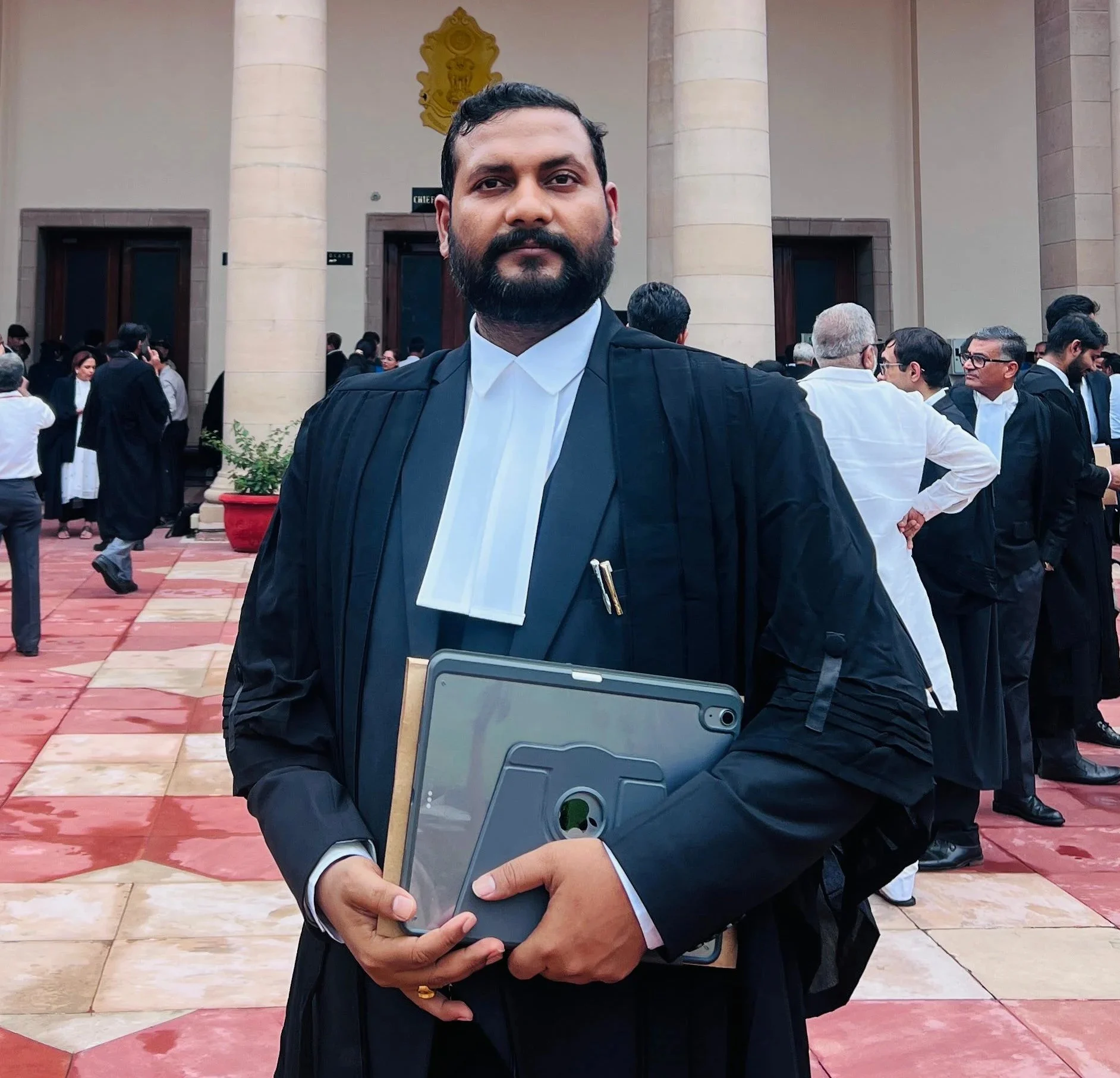
That is why so many otherwise defensible cases fall apart. Rarely will a dispute over a security check turn on a single sentence, such as “the cheque was issued as security.” Judges look at the transaction, date on which liability was alleged to have arisen, payments made, the writings, messages, account books, and conduct of both parties.
It explains, for clients located in India, why early review by Advocate BK Singh can help preserve legal options. It will not teach you how to act in Court. Its goal is far narrower: to explain how simple errors undermine your credibility.
A security cheque becomes liable for Section 138 when, at the time of its maturity or when presented for payment, it represents an existing and legally enforceable debt or liability.”
Read this if you are one of the many individuals, business owners, directors, borrowers, landlords, tenants, suppliers or professionals who wonder why the timing of legal advice is important. Learn why reacting too soon can limit your legal options and how early review can help preserve them. Clients from Delhi NCR and other cities in India consult LEGAL365 when they receive a cheque bounce notice or a summons from Court. An angry denial is not the best first step. Tact and strategy start with a careful review of the facts, documents and exposure before making that first statement in response.
Why Can a Security Cheque Defence Fail Even When the Cheque Was “Only Security”?
Termeding a cheque "security" does not change its legal character. The issue is whether there was a debt/liability enforceable at the time the cheque fell due/presented. If the underlying amount became due and payable and was not paid, the cheque issued as "security" can be deemed to have fallen due for payment. Judges get this wrong because they focus on the stated reason for delivery of the cheque.
The court can look at subsequent events as well.
- Was the loan paid back?
- Was the due date renegotiated by the parties?
- Was there a part payment?
- Did the complainant fill in the cheque for more than was due?
- Are there text messages admitting liability?
Mr. Advocate BK Singh looks at the entire transaction, not just a convenient description. That can make all the difference. A defence hinging on faulty memory may fall apart when confronted with bank statements, invoices, loan agreements or WhatsApp chats.
Why Does This Issue Matter Across India?
Cheque bounce cases are immediately stressful as they involve both a financial dispute and criminal-court process. Someone could receive a statutory demand, multiple phone calls, business reputation damage, trips to court and worry about conviction.
Many lawyers get contacted by people who waited to contact a lawyer because they thought the matter was “just civil.” Some clients respond emotionally, casually admit facts or throw out documents before speaking to a lawyer.
Seeking advice early will not assure a particular result. However, it could prevent needless harm and allow your client to know if the issue demands fighting, settling, proving up payment or perhaps a limited response.
What Quick Facts Should You Know Before Relying on a Security Cheque Defence?
- Cheque given as security can still fall under section 138 of NI Act, 18 81.
- Crucial factor is presence & extent of legally enforceable liability on date of presentation.
- Section 139 makes relevant presumption in favour of holder of cheque. Notice of demand must usually be given within 30 days of receiving information of bank's dishonour.
- Drawer is typically given 15 days from notice to make payment. Part payment made before cheque presentation can negate that cheque was for amount legally due.
- Courts can take into account agreement, bank statements, messages, invoices,receipts and behaviour of parties.
Who Should Consult a Lawyer Before Sending Any Reply?
Professional help can be valuable in particular for:
- PECS persons – Post dated cheques issued by borrowers.
- Owners – Supply-side disputes with business owners.
- Directors – Complaints involving company cheques and directors.
- Tenants – Rental security cheques given by tenants to landlords.
- Friendly loans – Amicable arrangement gone bad.
- Appointees – Partners, authorized signatories.
- Employers – Service providers who are demanded payment.
- Signed Blank – People who claim a blank cheque was filled unfairly.
Companies require special attention. Professional Help – Liability of Director & Authorised Signatories Because Section 141 involves company offences and officer liability.
Read LEGAL365’ article on Section 138 liability of company directors beforehand.
Every person who responds to a statutory notice should know that a generic online response will not do justice to the particulars of the case. Language used in the reply to a cheque bounce notice can be used against you later in connection with pleadings, affidavits and documents.
Clients are guided towards spotting inconsistencies early with the help of Advocate BK Singh.
Stage 3: Exposure Assessment. Weak factual denials can be differentiated from a legally arguable position. Documentation problems can be isolated from genuine settlement driven matters.
Informed decision making is better than decisions made under pressure.
Advocate BK Singh can help with:
- Review of statutory notice.
- Reply to statutory notice.
- Scrutiny of complaint, summons and/or pleadings.
- Representation in Court.
- Negotiations for settlement.
- Documentation for compounding.
- Advice at appeal stage.
- Analysis of Company-Director Liability.
When Should You Hire Advocate BK Singh for a Security Cheque Matter?
You should consult Advocate BK Singh when:
- A security cheque has been dishonoured
- A statutory demand notice has been received
- The cheque amount differs from the outstanding balance
- Part payment was made before presentation
- The cheque was issued blank
- Misuse or unauthorised filling is alleged
- The underlying contract was cancelled or changed
- A company, director or signatory has been named
- Court summons have been received
- Settlement talks are taking place without written terms
Immediate consultation is also sensible when the cheque is linked to rent, supply, loan, investment, employment, partnership or a business transaction.
Clients seeking dedicated representation can review the verified cheque bounce lawyers service at LEGAL365. The service page explains the firm’s consultation and representation approach. ld be hired for judgment, not dramatic promises. Advocate BK Singh focuses on whether the available facts can be proved, where the weaknesses lie and which practical outcome is realistic.
Why Do Clients Choose LEGAL365 for Security Cheque Defence?
HEADED BY ADVOCATE BK SINGH , LEGAL365 PROVIDES DOCUMENT-CENTRIC, DIRECT ACCESS ADVISORY SERVICES ON CHEQUE BOUNCE CASES:
We listen to our client’s primary concern first, instead of forcing it into a canned response format.
Our lawyers consider both sides of the transaction: why the cheque was issued in the first place and how much was due and payable at the time it was presented. This equities analysis helps spot faulty presumptions early on.
Cheque bounce legal services include help at various stages such as:
- Scrutiny of Notice Under Section 138
- Drafting of Reply to Notice
- Scrutiny of Complaint
- Advice at Summons Stage
- Representation at Trial
- Scrutiny of Settlement Documents
- Assistance in Compounding Application
- Advice at Appeal Stage
…the service menu expands and contracts based on the facts, forum and geography of the case.
Wait – there’s one more thing. Advocate BK Singh will tell you how strong (or weak) your position is. Sometimes there’s a valid defense, other times partial protection only. You might be able to settle for less, or you might have left yourself wide open.
We prefer to provide clear advice, rather than project unwarranted optimism.
Frequently Asked Questions
Frequently Asked Questions
Q1: Does a cheque include protection from Section 138 complaint just because it is marked as a “Security Cheque”?
Ans: No. Merely labeling a cheque as a “security cheque” will not stop someone from filing a complaint. In many cases, the court has gone into the details of the agreement and asked questions about whether any legally recoverable debt or liability existed at the time of cheque presentation. Important evidence includes the nature of the agreement, payment pattern, messages, bank statements and overall conduct of parties.
Clients tend to weaken their position by relying solely on the term “security” rather than demonstrating what the outstanding amount was. Advocate BK Singh will review the entire transaction and advise clients on whether the “security cheque” argument applies legally or the matter requires an alternate response.
Q2: Can a blank signed security cheque be used against me in a cheque bounce matter?
Ans: Yes. Even if a cheque was signed but left blank by the drawer, it can still be used against the drawer if it was voluntarily delivered during a loan, business, rental or commercial transaction. A drawer cannot simply say that someone wrote amount/date later to escape liability.
The court may investigate circumstances of cheque delivery, authority given to holder and whether any balance was due. Mere allegations of misuse will not be sufficient, unless they are consistent with documents and facts. Advocate BK Singh will review all evidence to see if the cheque was actually misused, filled above the agreed amount or presented when no amount was due.
Q3: What if the cheque amount is more than the actual outstanding balance?
Ans: When the cheque amount does not match with the legally outstanding balance, it can become a very critical issue in your defence. For instance, drawer might have made a part payment prior to cheque being presented, but holder still went ahead and deposited the cheque for the entire amount.
Bank statements, receipts, payment acknowledgements and account ledgers become crucial evidence to prove part payment. Date of each payment will be analyzed closely. Advocate BK Singh will compare the cheque amount with outstanding balance on said dates to find out if the complaint rightly shows the liability or has a major discrepancy of facts.
Q4: Can I send a reply to a security cheque notice without consulting a lawyer?
Ans: Responding to a notice without legal assistance can cause unintentional admissions. A person might admit facts like loan amount, issuance of cheque, signature or outstanding balance but may want to deny liability. Such admissions can be used against the client later during complaint filing.
A good reply would be drafted based on agreement, history of transaction, payments made, messages exchanged and the actual language used in statutory notice. Reply should not be emotional, threatening or written on partial information. Advocate BK Singh will examine the notice received by client and draft a precise reply on your behalf that truthfully records client’s response without making unnecessary admissions.
Q5: Will part payment made before cheque presentation impact my defence?
Ans: Yes. If a drawer makes a part payment before cheque presentation, it will impact whether the cheque reflected complete legally enforceable liability on the date of cheque deposit. Client should retain all evidence of part payment including bank transfers, UPI receipts, cash acknowledgements, emails and messages.
Verbal mentions of part payment will not help if party does not have reliable evidence to produce before court. Another error is when the date of payment is not mentioned. Advocate BK Singh will analyse the payment trail to conclude whether the cheque amount was still payable, reduced due to part payment or contested due to subsequent transactions.
Q6: Can the director of a company be personally named in a security cheque case?
Ans: Director of company can be named if cheque was issued by a company bank account. However, liability is not always the same against every director of the company. Court will look into who signed the cheque, who was involved in relevant business transactions and who had operational control during the time of transaction.
Past directors, non executive directors and individuals without any operational involvement will have to prove their standing separately. Board meeting resolutions, resignation letters, bank mandate and company filings will become relevant facts. Advocate BK Singh will evaluate director’s involvement in the company affairs to determine whether allegations against the director are well-founded or too broadly stated.
Q7: Are WhatsApp chats and emails important in defending against a security cheque complaint?
Ans: Yes. WhatsApp chats and emails can show why cheque was issued, if payment was conditional, if extended time was agreed and if complainant ever accepted part payment or knew about some dispute.
Screenshots may not reveal the full conversation. Deleted chats, modified messages or picking only a few sentences can impact credibility of such evidence. Client should try to preserve all communication in their original form. Advocate BK Singh will go through WhatsApp chats, emails and digital records to see if they support client’s statements or weaken the defence.
Q8: Can we settle a security cheque matter after the complaint has been filed?
Ans: Yes. Many cheque bounce cases can be settled and compounded later on, depending on the mutual agreement and stage of proceedings. Lawyers will need to mention settlement amount, payment timelines, pending court case, withdrawal or compounding terms and effects of non-payment.
Discussing informal settlement without any record can lead to more disputes later on. A client should know whether a single cheque complaint is getting settled or all claims are closed. Advocate BK Singh will review and explain settlement terms to ensure the deal is viable and clearly understood by the client.
Q9: When should I contact Advocate BK Singh for assistance with security cheque case?
Ans: You should speak to a lawyer as early as possible, when cheque gets dishonoured, upon receiving the demand notice, if part payment is disputed against you, cheque is being misused by holder or if court summons are received. Early consultation will allow lawyer enough time to review transaction before client makes inconsistent statements or misses key dates.
Clients should not delay engaging a lawyer till they receive multiple court dates or property attachment notices. Advocate BK Singh will review the cheque, demand notice, bank memo, underlying agreement and records of payment made to evaluate legal risk and discuss the viable options. Consulting a lawyer early on does not guarantee positive result, but can help avoid unnecessary mistakes.
Q10: Why should I choose LEGAL365 lawyers for security cheque defence?
Ans: At LEGAL365, we understand that security cheque cases require comprehensive analysis of actual transaction between parties. We do not offer a standard defense just because the words “security cheque” are mentioned by the client.
Advocate BK Singh will go through the entire agreement, cheque amount, payment history, WhatsApp chats and stage of proceedings before advising the client. We will also explain the weak points in client’s case, estimated financial liability and likely outcomes. This empowers clients to make the right decision rather than believing misleading information from unreliable sources.
Conclusion
Defense based on security cheque alone is no defense. Just because the cheque was issued as security does not mean that you have a strong case. Facts of liability, payment evidence, terms of agreement, reply to notice and supporting documents being on the same page are important. Miss-taking the legal notice, giving inconsistent statements, inability to prove part payment, presentation of blank-cheque defense alone can make your Section 138 defense go down quickly.
Consulting Advocate BK Singh early on can help you understand the legal exposure, preserve key evidence and set forth your client's version of events clearly. Practical advice is provided on security cheque bounce issues, reply to notice, Court Matters and compromise documents on LEGAL365 and we don't make exaggerated promises.