📞 Free Consultation — +91-935-521-5699  |  info@legal365.co.in
Mon–Sat 9am–7pm|Book Now →
HomeServicesLoan Settlement Lawyer
LEGAL365 · Advocate BK Singh · legal365.co.in
Loan Settlement Lawyer in Delhi & Across India

LEGAL365, led by Advocate BK Singh, provides expert loan settlement lawyer services across India. 20+years of practice. Free first consultation at legal365.co.in

Expert Loan Settlement Lawyer at LEGAL365 - Advocate BK Singh

LEGAL365, founded and led by Advocate BK Singh, provides specialist loan settlement lawyer services across Delhi and all major Indian cities. With over 15 years of active legal practice before Delhi district courts, the Delhi High Court, and the Supreme Court of India, Advocate BK Singh brings focused expertise and direct personal attention to every loan settlement lawyer matter at LEGAL365.

When you come to LEGAL365 with a loan settlement lawyer matter, you speak with Advocate BK Singh directly - the senior advocate, not a junior or paralegal. Your documents are read carefully. Your situation is assessed honestly. And from the very first meeting, Advocate BK Singh at LEGAL365 tells you what is realistically possible for your specific case - including when the realistic answer is less favorable than the client hoped.

The first consultation at LEGAL365 for any loan settlement lawyer matter is completely free and carries no obligation. Advocate BK Singh reviews your facts, applies the relevant law, and gives you a clear, honest picture of where you stand legally - regardless of whether you ultimately engage LEGAL365 to handle your matter.

"Every loan settlement lawyer matter at LEGAL365 is handled by me personally from the first consultation through to the final resolution. I do not delegate cases I have taken on, and I do not promise outcomes I cannot genuinely deliver." - Advocate BK Singh, Founder, LEGAL365 · legal365.co.in

Loan Settlement Lawyer Services at LEGAL365 - Advocate BK Singh

LEGAL365 and Advocate BK Singh provide comprehensive loan settlement lawyer services covering the full spectrum of matters that clients face in this practice area. Every engagement at LEGAL365 is tailored to the specific facts, the court or tribunal involved, the applicable law, and the realistic objectives of the client.

Advocate BK Singh at LEGAL365 does not take a generic approach to loan settlement lawyer cases. Each matter is assessed on its own specific facts. The strategy, the filing approach, the evidence requirements, and the timeline assessment all reflect the actual circumstances of each individual client at LEGAL365.

  • Complete loan settlement lawyer representation before all relevant courts and tribunals across India
  • Strategic planning and case assessment from the very first consultation with Advocate BK Singh
  • Documentation preparation, petition drafting, and filing at LEGAL365 with meticulous attention to detail
  • Negotiation and alternative dispute resolution in appropriate loan settlement lawyer cases
  • Urgent interim relief applications when immediate court protection is needed
  • Appeals and revisions before the Delhi High Court and Supreme Court of India
  • Enforcement of court orders and contempt proceedings when orders are violated
  • Strategic assessment of settlement opportunities throughout proceedings at LEGAL365

At LEGAL365, Advocate BK Singh manages cases actively throughout proceedings - not just appearing for scheduled court dates but ensuring that every stage of the loan settlement lawyer proceedings is handled with full preparation and strategic purpose. This approach to active case management is what LEGAL365 clients consistently describe as the defining difference from other law firms they have used.

LEGAL365's Approach to Loan Settlement Lawyer Matters - How Advocate BK Singh Works

The foundation of every loan settlement lawyer engagement at LEGAL365 is honest assessment. Advocate BK Singh reviews the facts, identifies the strengths and weaknesses of the case, and gives clients a realistic picture of likely outcomes and timelines. This means telling clients things they sometimes do not want to hear - and providing that honesty consistently, even when a more optimistic account might be easier to give.

After the honest assessment, LEGAL365 develops the complete strategy for your loan settlement lawyer matter. This means: identifying which courts or tribunals have jurisdiction; determining what evidence is available and what needs to be gathered; identifying the strongest legal arguments; assessing whether settlement is realistic and desirable at this stage; and planning the sequencing of applications and hearings to achieve the best outcome in the shortest realistic time.

Throughout the loan settlement lawyer proceedings, Advocate BK Singh at LEGAL365 remains directly accessible to clients. Calls are answered. Updates are provided after significant developments - hearing outcomes, new orders, important correspondence. The strategy is reviewed and adjusted as the case develops. Clients at LEGAL365 are never left wondering what is happening with their matter.

Transparent Fees at LEGAL365

All fees for loan settlement lawyer matters at LEGAL365 are discussed and agreed before any work begins. There are no hidden costs that emerge mid-case. If you want to understand the likely fee range before committing to engagement, ask Advocate BK Singh directly in the first free consultation and you will get a straight answer.

"At LEGAL365, transparency applies to everything - the legal assessment, the realistic outcomes, the timeline, and the fees. Clients make better decisions when they have accurate information from the beginning." - Advocate BK Singh, LEGAL365, legal365.co.in

Courts and Tribunals for Loan Settlement Lawyer Matters - LEGAL365's Active Practice

LEGAL365 and Advocate BK Singh have active practice before the courts and tribunals that hear loan settlement lawyer matters in Delhi and across India. The specific forums relevant to your matter depend on the type of case, the amounts involved, the parties, and the stage of the dispute.

  • Delhi District Courts - civil courts, family courts, Sessions Courts, Magistrate courts
  • Delhi High Court - writ petitions under Article 226, criminal appeals, civil revisions, first appeals
  • Supreme Court of India - Special Leave Petitions, constitutional matters, transfer petitions
  • National Consumer Disputes Redressal Commission (NCDRC) - high-value consumer disputes
  • National Company Law Tribunal (NCLT) and NCLAT - corporate insolvency and company law
  • Debt Recovery Tribunal (DRT) and DRAT - banking and loan recovery matters
  • National Green Tribunal (NGT) - environmental and pollution law matters
  • RERA Authority (Delhi, UP RERA, HRERA) - real estate and builder-buyer disputes

For loan settlement lawyer matters in courts outside Delhi, LEGAL365 provides strategic advisory and works with a professional network of specialist advocates across major Indian cities. High Court and Supreme Court matters in any jurisdiction are handled directly by Advocate BK Singh at LEGAL365 regardless of where the client is based. Visit legal365.co.in for more information on our coverage.

About Advocate BK Singh - Founder, LEGAL365

Advocate BK Singh founded LEGAL365 with a single core principle: every person facing a legal problem deserves a lawyer who actually listens, tells them the truth, and fights for the right outcome. Not a firm that collects a retainer and keeps clients waiting for months. Not an office where the senior advocate is unavailable after the first meeting.

Advocate BK Singh has over 15 years of active legal practice in Delhi - across district courts, the Delhi High Court, and the Supreme Court of India. He has handled thousands of cases across 25 practice areas at LEGAL365. For loan settlement lawyer matters specifically, Advocate BK Singh brings experience across the complete spectrum of cases in this area - from straightforward advisory to complex multi-year litigation and Supreme Court appearances.

What clients say consistently about Advocate BK Singh at LEGAL365 is not primarily about his legal knowledge - it is about his directness. He tells clients the truth from the first meeting. He says what is realistic, explains the risks, and advises on the real options rather than the best-case scenario. In a profession where overpromising is common, that honest approach is what has built LEGAL365's reputation.

  • Bar Council of Delhi registered advocate - 20+years of active practice
  • Appears before Delhi district courts, Delhi High Court, and Supreme Court of India
  • Enrolled before DRT, NCLT, NGT, NCDRC, and RERA Authority
  • Founder and Principal Advocate of LEGAL365 at legal365.co.in
  • Handled 5000+ cases across 25 practice areas at LEGAL365
  • Known for direct communication, thorough preparation, and honest client advice

Learn more about Advocate BK Singh at legal365.co.in/advocate-bk-singh

Why LEGAL365 for Loan Settlement Lawyer - The LEGAL365 Difference

There are many law firms and advocates offering loan settlement lawyer services in Delhi. What makes LEGAL365 different is the combination of direct senior advocate access, specific practice area expertise, honest assessment, active case management, and transparent fees - consistently delivered across every matter at LEGAL365.

  • Direct access to Advocate BK Singh - not a junior or paralegal at any stage
  • Specialist loan settlement lawyer expertise built over 20+years at LEGAL365
  • Honest assessment from day one - including when the realistic outlook is unfavorable
  • Active case management - every stage prepared and managed, not just court appearances
  • Transparent fees agreed before work begins - no surprise costs at LEGAL365
  • Pan-India reach - Delhi courts, High Court, Supreme Court, and state networks
  • First consultation with Advocate BK Singh at LEGAL365 is always free
  • LEGAL365 is accessible at legal365.co.in and +91-935-521-5699

At LEGAL365, the first consultation is free and carries no obligation. Advocate BK Singh reviews your loan settlement lawyer situation, explains the applicable law and your options, gives a realistic assessment of outcomes and timelines, and advises on next steps. You leave the first consultation with a clear legal picture - regardless of whether you engage LEGAL365 for the matter.

"The first consultation at LEGAL365 is free because I believe every person facing a legal problem should be able to get an honest assessment of their situation without worrying about the cost of that first conversation." - Advocate BK Singh, LEGAL365, legal365.co.in

LEGAL365's Process for Loan Settlement Lawyer Matters - Transparent and Structured

Step 1 - Free First Consultation with Advocate BK Singh

Advocate BK Singh at LEGAL365 reviews your facts, documents, and situation in the first consultation. He gives an honest legal assessment covering the applicable law, realistic options, likely timeline, evidence requirements, and probable range of outcomes. No commitment is required.

Step 2 - Engagement and Strategy

If you engage LEGAL365, Advocate BK Singh develops the complete strategy for your loan settlement lawyer matter. Fees are agreed transparently before work begins. The strategy, timeline, and cost structure are all explained clearly at this stage.

Step 3 - Filing and Initial Steps

LEGAL365 prepares and files all required documents and applications with meticulous attention to detail. Urgent interim relief applications are filed promptly when the situation requires immediate court protection. Advocate BK Singh appears personally at the first hearing and at all critical hearing dates.

Step 4 - Active Management Throughout

Throughout the loan settlement lawyer proceedings, Advocate BK Singh actively manages every aspect - appearing at hearings, monitoring orders, filing applications when needed, advising on strategic adjustments, and providing regular updates. LEGAL365 does not simply appear for dates.

Step 5 - Resolution and Follow-Up

After resolution, LEGAL365 advises on enforcement and follow-up. For any non-compliance with court orders, LEGAL365 files contempt applications or takes other enforcement action promptly. The engagement at LEGAL365 continues until the matter is fully resolved.

Contact LEGAL365 at +91-935-521-5699 or info@legal365.co.in or visit legal365.co.in to book your free first consultation with Advocate BK Singh.

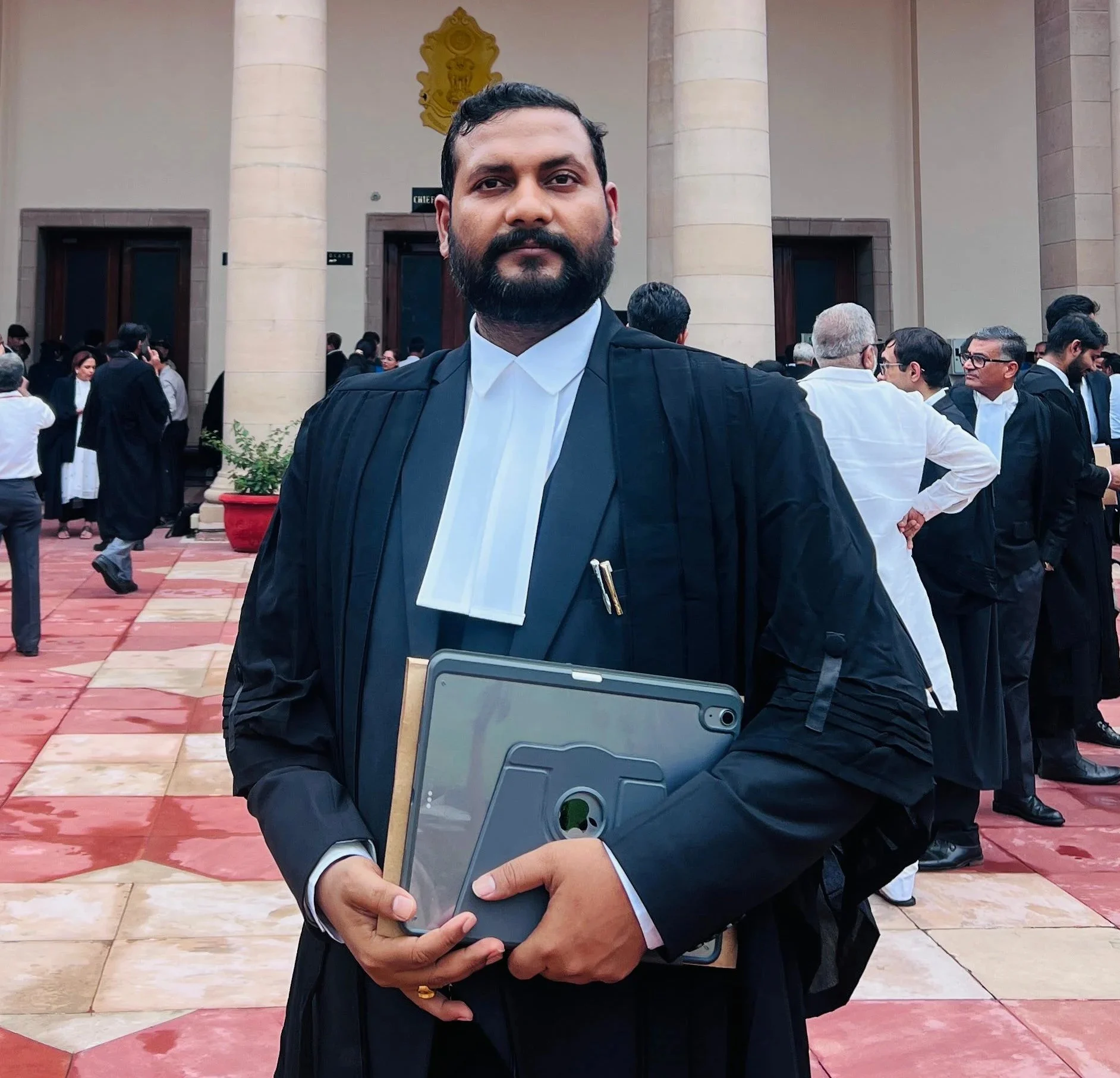
Adv. BK Singh

Adv. BK Singh

View Profile

We have the experience and the expertise and the focus on delivering successful outcomes. We appear before the Supreme Court, High Courts and Tribunals.

Connect on LinkedIn
Free Legal Consultation

Speak directly with Advocate BK Singh at LEGAL365. First consultation is free - no commitment, no obligation at all.

Book Appointment -> Call Now
BK
Advocate BK Singh
Founder, LEGAL365 · 20+yrs · legal365.co.in
Quick Facts - LEGAL365
Service: Loan Settlement Lawyer
Experience: 20+Years
Courts: District, HC, SC
Coverage: Pan-India
Consultation: Free First Meeting
Frequently Asked Questions

Loan Settlement Lawyer - 25 Questions Answered

Clear answers to frequently asked questions about loan settlement, One-Time Settlement proposals, restructuring, recovery conduct, credit reporting, SARFAESI notices and DRT proceedings by Advocate BK Singh at LEGAL365.

Ans. Consult a loan settlement lawyer when regular repayments have become unmanageable, the account is overdue or classified as an NPA, recovery agents are contacting you, or you have received a recall, SARFAESI, DRT, possession, or auction notice. Early review helps identify whether restructuring, a compromise settlement, a repayment plan, or a legal response is more appropriate.
Ans. A loan settlement is a negotiated arrangement in which the lender agrees to accept an agreed amount or payment plan in full and final settlement of the specified dues, subject to written approval and compliance with the settlement terms. It is not an automatic right of the borrower. The lender evaluates the request under its internal policy, regulatory framework, account history, security, and recovery prospects.
Ans. Settlement usually closes the account after the borrower pays a negotiated amount that may be lower than the contractual dues. Restructuring modifies repayment terms, such as tenure, instalment amount, interest terms, or moratorium, while the loan generally continues. Restructuring may be preferable where the borrower can resume regular payments and the lender approves a viable revised repayment plan.
Ans. No. A technical write-off is an accounting action taken by the lender and does not, by itself, waive the borrower’s liability or stop recovery. A compromise settlement is a negotiated agreement fixing the amount and conditions on which the lender will resolve the account. Borrowers should rely only on a written settlement approval, not on assumptions based on the lender’s internal accounting treatment.
Ans. A borrower ordinarily cannot compel a lender to grant a discount or approve a One-Time Settlement merely because repayment is difficult. Settlement approval is generally a commercial decision governed by the lender’s board-approved policy, applicable regulation, account facts, security value, and recovery assessment. A borrower can submit a documented proposal and request reasoned consideration, but approval and terms remain discretionary.
Ans. A lender may consider settlement where there is genuine financial distress, business failure, job loss, illness, reduced income, prolonged default, weak recovery prospects, disputed charges, or another documented hardship. The lender may examine income, assets, liabilities, repayment history, guarantors, security value, legal proceedings, and available settlement funds. Eligibility differs between lenders and loan products.
Ans. Keep the sanction letter, loan agreement, repayment schedule, account statement, overdue and recall notices, income records, bank statements, tax documents, medical or employment records supporting hardship, asset and liability details, recovery correspondence, SARFAESI or DRT papers, and proof of available settlement funds. A clear date-wise summary helps the lender understand the default and proposed resolution.
Ans. The proposal should identify the loan account, borrower and guarantor details, outstanding claim, reason for default, present financial position, amount offered, source of funds, proposed payment dates, and request for full and final closure. It should also seek written confirmation regarding interest, charges, legal proceedings, security release, credit reporting, no-dues documents, and consequences if the agreed payment schedule is missed.
Ans. No responsible lawyer can guarantee that a lender will accept a particular percentage or waive a fixed amount. The outcome depends on the lender’s policy, age and status of the account, recoverable security, borrower finances, litigation, guarantor position, and available funds. A lawyer can review the claim, prepare a supported proposal, negotiate terms, and identify legal issues, but the lender controls commercial approval.
Ans. Do not stop or alter payments solely because a settlement request has been submitted. Until the lender gives written approval, the original loan terms ordinarily continue and interest, charges, reporting, recovery, or enforcement may continue. Seek written clarification about any temporary payment arrangement. Make payments only through traceable authorised channels and retain receipts and account statements.
Ans. The lender may consider the contractual dues, principal, interest, charges, age of default, security and guarantor value, borrower income and assets, expected recovery cost, pending legal action, and certainty of immediate payment. A lump-sum offer may be evaluated differently from a long instalment proposal. There is no universal settlement formula or legally fixed discount applicable to every account.
Ans. A lender may approve a lump-sum settlement or a time-bound instalment schedule, depending on its policy and the proposal. The written approval should state every due date, amount, mode of payment, interest or charges during the settlement period, and the consequence of delay. Missing an instalment may cancel the concession and revive the lender’s original claim, subject to the written terms.
Ans. Do not treat an oral promise, phone call, WhatsApp message from an unidentified agent, or unsigned email as final settlement approval. Obtain a written letter or verifiable digital communication from the lender’s authorised office stating the account number, approved amount, payment schedule, waiver terms, full-and-final effect, and authorised signatory. Verify the approval directly with the lender before making payment.
Ans. Pay only into the lender’s officially confirmed account or through another authorised traceable channel. Avoid cash payments to recovery agents or transfers to personal accounts. Mention the loan account number, preserve receipts, bank confirmations, emails, and transaction references, and request periodic adjustment statements. If a third party is collecting payment, confirm its written authority directly with the lender.
Ans. Request a settlement-completion letter, no-dues or no-claim certificate where applicable, final account statement showing adjustment of the agreed payment, confirmation regarding withdrawal or closure of legal proceedings, and release or return of security documents where the terms require it. Check that the lender’s records and credit-information reporting reflect the outcome accurately according to the approved settlement.
Ans. A 'closed' account generally indicates that the contractual dues were paid according to the lender’s closure terms, while 'settled' commonly indicates that the lender accepted an amount different from the full contractual dues. Credit-information treatment depends on the facts and reporting rules. Borrowers should ask the lender in writing how the account will be reported before accepting the settlement.
Ans. A compromise settlement may be reported to credit information companies and can affect creditworthiness, future loan approval, interest rates, or credit limits. The exact impact depends on the reported status, other credit history, time, and future repayment behaviour. A lender or lawyer should not promise immediate deletion of accurate negative history or a guaranteed score increase after settlement.
Ans. First obtain the latest credit report and compare it with the settlement letter, payment receipts, no-dues document, and final account statement. Raise a written dispute with the credit information company and the lender that supplied the data. Ask for correction of factual inaccuracies, but note that accurate reporting of a genuine settlement cannot ordinarily be removed merely because it affects the score.
Ans. Record the dates, times, numbers, names, messages, threats, visits, and witnesses. Send a written complaint to the lender’s grievance officer and request that all agents follow lawful recovery and privacy standards. Banks, NBFCs, and their agents should not use intimidation, muscle power, abusive conduct, or persistent odd-hour contact. Immediate threats or violence may also require a police complaint.
Ans. A duly authorised recovery agent may contact a borrower for lawful recovery, but the agent must follow the lender’s code, identify themselves, carry authorisation where required, respect privacy, and avoid intimidation or public humiliation. Ask for the agent’s name, agency, identification, and lender authorisation. Document improper conduct and complain in writing to the lender’s grievance mechanism.
Ans. Submit the complaint first to the bank or NBFC through its official grievance-redressal channel and preserve acknowledgment and supporting documents. If the covered regulated entity rejects the complaint or does not resolve it within the applicable period, an eligible deficiency-in-service complaint may be filed through the RBI Complaint Management System. Contractual settlement demands themselves may remain commercial matters.
Ans. No. Merely sending a settlement or One-Time Settlement proposal does not automatically stop a demand notice, possession action, auction, DRT proceeding, or other lawful recovery step. Continue tracking every deadline and hearing. Any standstill, adjournment, or suspension of enforcement should be obtained in writing from the lender or through an appropriate order from the competent forum.
Ans. A Section 13(2) notice generally demands payment of the stated secured debt within sixty days. Review the account, NPA classification, security details, limitation, payments, interest, charges, and amount claimed. A documented representation or objection may be submitted. Settlement discussions can continue, but they should not replace a timely legal response or preparation for possible Section 13(4) measures.
Ans. Yes, negotiations may continue while DRT or SARFAESI proceedings are pending, but the proceedings do not stop automatically. Any agreed resolution should be recorded in an authorised written settlement and, where necessary, placed before the Tribunal, court, or Recovery Officer through appropriate consent terms, withdrawal, or satisfaction documents. Urgent auction or possession deadlines require separate legal attention.
Ans. You can call or WhatsApp LEGAL365 at +91-935-521-5699 or email info@legal365.co.in. Share the lender’s name, loan type, outstanding claim, default period, notices received, security details, pending DRT or SARFAESI action, income position, and amount available for settlement. Advocate BK Singh can review the documents, explain possible options, and discuss the scope of representation.
Speak With Advocate BK Singh at LEGAL365 - Free ->
Consult Advocate BK Singh on LEGAL365 - Get FREE First Consultation

Advocate BK Singh will review your matter honestly and advise you of what can really be done on LEGAL365. No pressure, no unnecessary obligations - legal365.co.in