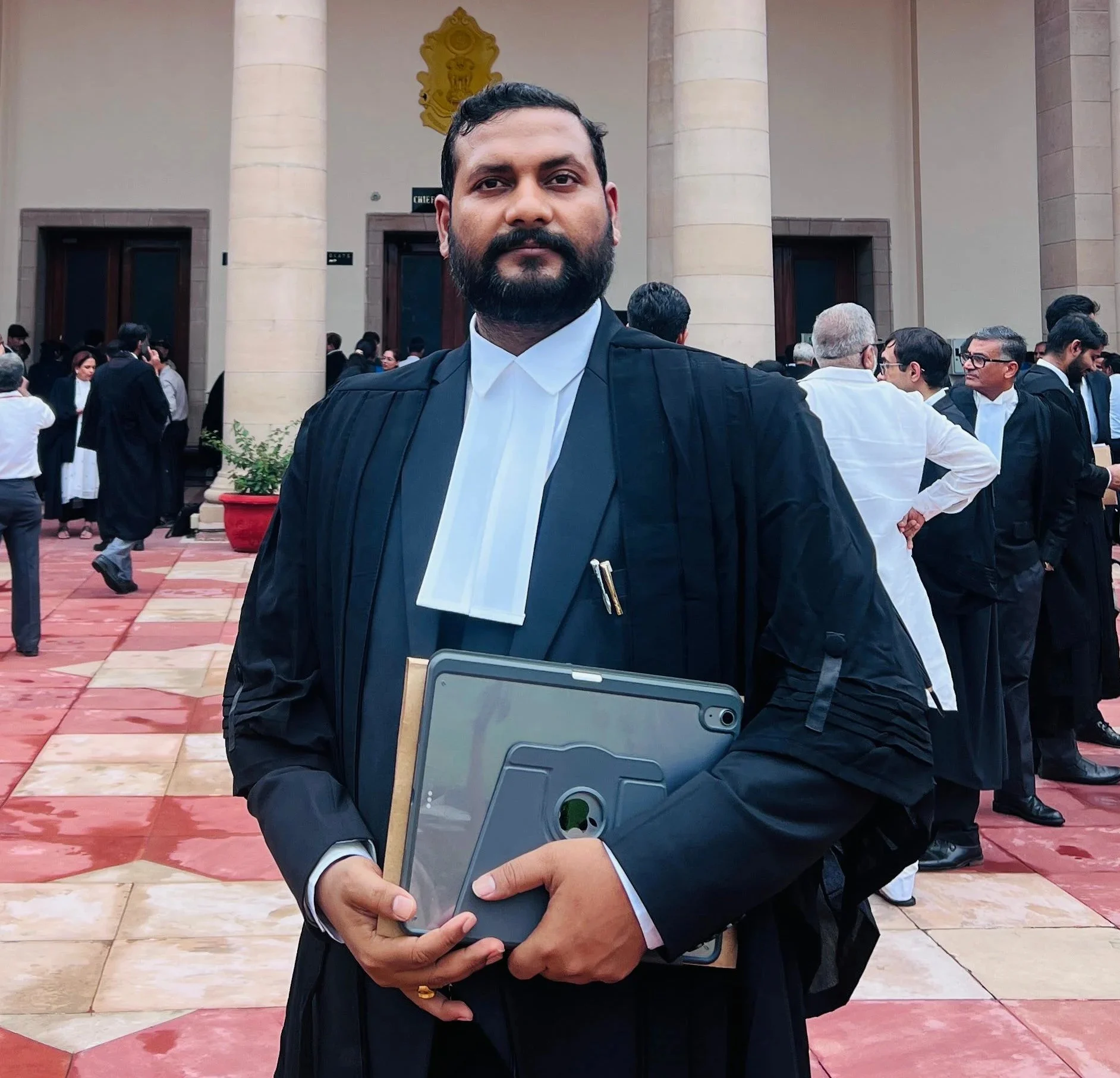
Cheque Bounce Lawyer for District Court and High Court: Company Director Liability
A cheque issued by your company gets dishonoured. Within days, the MD, FD and even an Non-Executive Director receive a legal notice. Personal liability is the first concern. Can a Director be jailed for his company’ s cheque? Will I get a court summons that interrupts travel plans, reputation, business?
Personal anxiety is legitimate but being a director alone does not determine liability. The provisions of Section 138 and Section 141 of the NI Act, 18 81 must be read conjunctively. Ordinarily the company is the primary defaulter and a director’ s liability depends on their involvement, responsibility and proximity to the transaction at the time of the offence.
Each stage requires a cheque bounce lawyer who practices in that Court or Appellate Tribunal. A Section 138 cheque bounce case is ordinarily heard by a Judicial Magistrate First Class or Metropolitan Magistrate. The Sessions Court is an appellate Court to hear an appeal against the conviction of a Magistrate. The High Court can hear petitions for quashing, revision or any other legally tenable plea. Every lawyer should not approach every stage as their courtroom.
At LEGAL365, our lawyers headed by Advocate BK Singh guide directors, companies, authorised signatories and even complainants to analyse the notice, from the court record to allegations of personal-liability. Our goal is not to guarantee results by taking a shortcut. Rather we aim to provide the client with an objective analysis before a deadline or hearing expires. Visit our website to read about our cheque bounce lawyer services for District Court, Appellate and High Court matters.
Why Does Company Director Liability Matter Across India in 2026?
Litigation for cheque dishonour starts as a commercial dispute but can become a personal criminal matter. Notices and summons left unattended expose directors in Delhi NCR/Mumbai/Bengaluru/Hyderabad/ Chennai/Kolkata or other business hubs to unnecessary risks of facing a Court. It also distracts management with pressure to find quick solutions.
Not all directors named on a complaint are equal. The legal standing of a signatory, managing director, financial decision-maker, nominee director and ex-director can vary greatly. At LEGAL365, we analyze these distinctions prior to determining if the matter concerns the Magistrate or involves a Sessions appeal or High Court hearing.
What Quick Facts Should a Company Director Know?
- Section 138 pertains to dishonour of cheque for insufficiency etc., of funds towards the discharge of any legally enforceable debt or liability.
- Section 141 lays down offences by company and liability of persons responsible.
- Merely because the name of a director is on the records of the company, he cannot automatically become liable.
- Notice of statutory demand has to ordinarily be sent within 30 days of receiving information from the bank about dishonour.
- Drawer has ordinarily 15 days from the date of receipt of notice to make good the payment.
- Proceedings under Section 138 are ordinarily initiated before the JMFC or Metropolitan Magistrate who has territorial jurisdiction under Section 142(2).
- Section 147 allows for compounding but subject to consent and time and stage of the court process.
When Can a Director Be Personally Liable for a Company Cheque?
Personal involvement can arise under Section 141 where the complaint specifically alleges that the director was responsible for and in charge of the company’ s business at the time of the offence. In addition liability can arise based on consent, connivance or neglect with respect to the offence. The cheque signatory will also usually warrant separate mention. A blanket list of all directors should not be used in lieu of specific allegations. Likewise resignation or a non-executive title alone is not enough. Any claim to such must be supported by the dates thereof, public filings and actual conduct. LEGAL365 reviews the complaint exactly as it is filed, not just the story told later on a phone call.
Which Legal Provisions Control the Court Proceedings?
Section 138 punishes offence of cheque dishonour and prescribes statutory conditions to be complied with for the offence to be constituted. Section 139 attracts a rebuttable presumption in favour of the holder. Section 142 deals with cognizance, limitation and territorial jurisdiction. Section 143 enables summary trial. Section 143A empowers the trial court to direct the drawer to pay interim compensation to the holder in token amounts (not exceeding 20%) of the cheque amount under certain circumstances. Section 148 allows the appellate court to direct the appellant to deposit not less than 20% of fine or compensation awarded by it, after conviction, within the overall statutory limit. Convicted accused will have his first appeal before the Sessions Court against the order of conviction and sentence. Aggrieved persons can approach the High Court by way of appeal/revision or petition under inherent powers of the Court exercisable by Section 528 of the Bharatiya Nagarik Suraksha Sanhita, 2023. Quash being an exercise of discretion, cannot be used as an alternative to trial where issues of disputed facts are involved which need to be tested on record. Dissecting set of facts and circumstances where forum and remedy sought by the petitioner is actually what they sought to quash is dealt by Advocate BK Singh.
Which Documents Should Be Reviewed Before Hiring a Lawyer?
An informed opinion requires seeing the complete record. Typically, documents LEGAL365 requests the client to obtain include:
- Cheque, Return Memo and Statutory Demand Notice
- Evidence of delivery and any response received
- Complaint, Issue of summoning order, summons, bail order & order sheets
- Invoices, contracts, ledger and bank statement entries
- Board resolutions, signatory authorities and related emails
- MCA records, Form DIR-12 and proof of resignation, if relevant
- Judgment of trial court/appellate court transcripts if the case has been filed in court above the Magistrate level
Not having certain documents does not necessarily mean we can’t review your case. It does impact our ability to confidently advise on personal liability, limitation periods and court options.
When Should a Director Consult a Cheque Bounce Lawyer?
Legal Review should take place ASAP after service of a demand notice, summons, bailable warrant, interim- compensation application or order of conviction. Review should also be done where a director was not the signer, had ceased to be a director in the relevant period or the complaint simply levels a conclusory allegation. Many clients wait hoping the company will do something. That gap in time can distance the company response from the director's personal exposure. At LEGAL365 we walk the client through appearance obligations, potential applications, appeal deadlines and realistic exposure prior to a procedural miss making things much worse.
Why Hire LEGAL365 and Advocate BK Singh?
Cheque bounce cases require understanding of facts beyond Section 138. The lawyer needs to link transaction, statute limitation, company records, director’s actual role and current stage in court. Advocate BK Singh provides one-stop review at LEGAL365 for notice, trial, appeal and correct High Court steps.
LEGAL365 clients appreciate the straight talk about what the complaint is actually alleging, which documents will matter, and what results can realistically be expected. Advocate BK Singh will also analyze whether legal compounding makes commercial sense or whether allegations of personal liability need to be fought in court. Recommendations are tailored to each case. Nothing is guaranteed.
Frequently Asked Questions
Here are the answers to most questions asked by our clients –
1. Will every director get summoned if a cheque issued by the company bounces?
No. Liability usually turns on the allegations and proof under Section 141 as to which director was in charge of and responsible for the company’s business at the material time. An executive or managing director who signed the cheque will likely face a different situation from that of an independent or non-executive director.
2. Shouldn’t the company also be named as an accused?
The company will usually be the primary wrongdoer in a Section 141 offence. Not arraigning the company may give rise to a basic juridictional objection. However, the entire complaint as well as any legal exception recognised by statute must be considered.
3. Can we get a summons issued against a past director?
Yes, the complainant can name past directors as accused. Whether the proceedings ought to be continued against him will depend on the dates of the offence, the date of resignation, allegations and documents on which the Court can take judicial notice.
4. Which Court will hear a Section 138 complaint?
Trials are usually conducted by a JMFC or Metropolitan Magistrate. Referring to such cases as “District Court matters” is usual but wrong. At the trial stage, it is the Magistrate who conducts the proceedings. The Sessions Court generally gets involved at the stage of hearing appeals from convictions.
5. Can the High Court dismiss the case against a director?
High Courts can exercise their inherent powers under Section 528 BNSS in the right circumstances. Quashing is disfavoured and isn’t offered by LEGAL365 as a default option.
6. Isn’t a director personally liable since he signed the cheque?
The person who was authorised to sign and did sign the company cheque will have direct exposure under the statute. The transaction underlying the cheque, the complaint and statutory requirements will still need to be analysed.
7. Can you help me settle a cheque bounce case?
Yes. Offences under the NI Act are compoundable under Section 147. However, the terms of any settlement, evidence of payment, stage of the proceedings and the order of the court must be carefully entered.
8. What should I do if the Magistrate convicts my director?
An appeal will usually lie to the Sessions Court if done within the relevant period of limitation. Suspension of the sentence imposed, bail and the mandatory deposit under Section 148 are issues that require immediate attention.
9. My director lives in a different city. Can he ignore the summons?
No. Distance is not an excuse to disobey the order of a Court. Advocate BK Singh can advise you on whether your director has to appear in person, can be exempted from attending Court or will be granted bail. But he should at least respond to the summons before the Court starts issuing warrants.
10. Why do I need to speak to Advocate BK Singh before the first date of hearing?
If you first consult LEGAL365 closer to the first date of hearing fixed by the Magistrate, we will only be able to tell you what needs to be done. Meetings held sooner will enable Advocate BK Singh to review the notice sent by the bank, the complaint, the order of summoning and the company’s records together. We can then inform you about the actual risk faced by your director and the proper procedure to approach the Court without making unnecessary assumptions.
Why Should a Director Act Without Delay?
A company cheque matter may have distinct exposures for the company, the signatory and the other directors. The appropriate answer varies with function, dates, pleadings, documents and order currently in force. Don't presume each director has the same defence as the others.
LEGAL365 and Advocate BK Singh can provide targeted advice on Magistrate proceedings, Sessions appeals and suitable High Court remedies throughout India. Quick review of the documents may allow a director to make an informed choice before the next deadline or hearing.
Conclusion
Getting a cheque bounce complaint filed against your company is bad enough. But it can cause real personal distress for directors too. Just because a cheque is issued under the company name, doesn’t mean that the director is automatically liable. The circumstances of the director’s role, who signed the cheque, the allegations under the statute and the company records must all be analyzed together. The procedure in the Magistrate’s Court, Sessions Court and High Court are also different and require distinct legal strategies.
Failure to respond to a demand notice or a court summons only compounds the procedural risks. Advocate BK Singh and LEGAL365 help company directors understand their personal risk, choose the appropriate court for relief and file a response within the correct time window. The earlier you speak to a lawyer, the better you can protect yourself and avoid unnecessary consequences. But remember, the result will depend on the specific facts and evidence of your case.