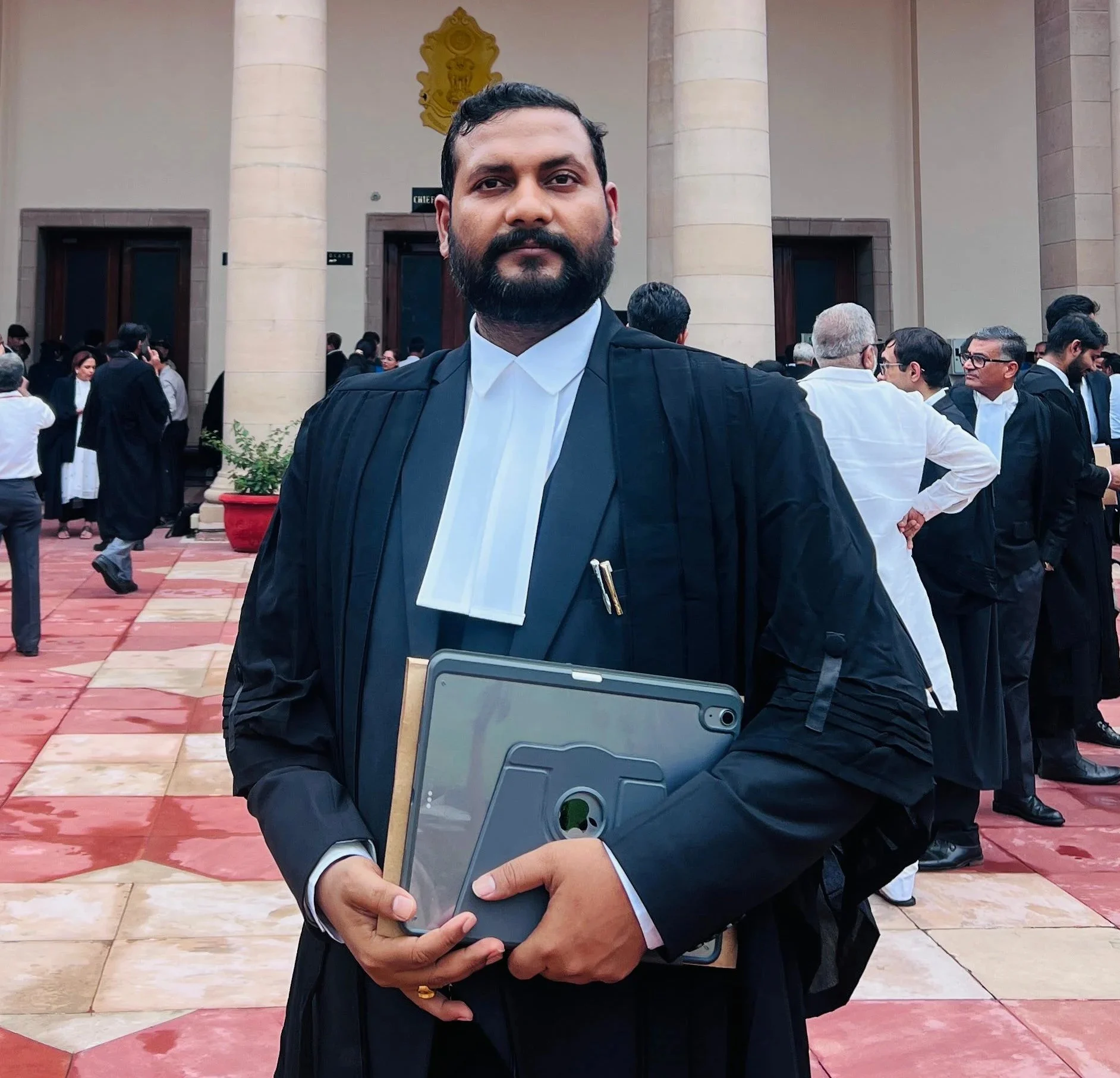
Choosing the Right Advocate for Your Case: Problems First-Time Clients Often Overlook
Few professional tasks feel like routine issues when it is your first time. Your police complaint, divorce petition, property notice, business claim, loan recovery demand or consumer dispute could impact money, reputation, family relationships and personal freedom. Time pressures lead new clients to choose an advocate hastily without focussing on finding the right fit.
Searching for the right lawyer for your matter is challenging as legal services are not easily comparable. One lawyer may sound assertive but lack nuanced understanding of the relevant forum. Another lawyer may talk about fees without specifying what work is included. Some clients arrange a meeting with a senior lawyer who later assigns an unfamiliar junior to conduct important hearings.
Confusion is greater in Delhi NCR since one dispute may require approaching the District Court, Family Court, Consumer Commission, Debt Recovery Tribunal, NCLT, NGT, Delhi High Court or even the Supreme Court of India. Mistakenly filing your matter in the wrong forum, getting confused about territorial jurisdiction or missing a limitation period can prejudice an otherwise winnable case.
Advocate BK Singh regularly sees clients after a prior professional relationship has already left them confused. Their paperwork may be incomplete, critical dates may be missed, pleadings may be littered with inconsistent facts or they may simply be unsure about what has been said in court. Switching lawyers at this point can lead to additional cost and delay.
Hiring an advocate is more than just selecting someone holding a law degree. Look for clues on whether the lawyer knows the subject-matter, forum, urgency, evidence and real life implications of your matter. A bad choice may not seem detrimental at first sight. In fact its impact is often not felt until months later when your advocate points out an avoidable weakness that has now been recorded by the court.
Why Does Choosing the Right Advocate Matter in India in 2026?
Selecting the wrong advocate can lead to setbacks beyond an unfavorable hearing. A client could lose time, face duplicate costs, miss the gravity of a notice or develop false expectations of relief. Some procedural errors could even become irreversible once limitation expires or evidence is lost.
India also has multiple courts and procedures for different kinds of disputes. Criminal matters are filed under the Bharatiya Nyaya Sanhita, 2023, Bharatiya Nagarik Suraksha Sanhita, 2023 and Bharatiya Sakshya Adhiniyam, 2023. Matrimonial disputes could be governed by personal laws, the Family Courts Act, 1984, maintenance laws, domestic-violence laws and Child Custody laws.
Consumer disputes, property disputes, corporate litigation, arbitration matters and banking disputes all have different statutes and rules of forum. A lawyer with experience in civil suits may not always practice regularly before the Debt Recovery Tribunal (DRT), National Company Law Tribunal (NCLT) or National Green Tribunal (NGT). “Clients coming for the first time tend to place ‘court experience’ as a parameter,” Advocate BK Singh says. “But experience in specific forums can change the understanding of a case.”
Physical location adds another dimension. A client in Gurugram could have a dispute related to property in Noida, a contract executed in Delhi and the opposing party residential in Ghaziabad. Jurisdiction could depend on the cause of action, a statute's particular provision, property's location, contract clause or party residence. Proximity to a lawyer's office does not establish the appropriate forum.
With online consultations, clients now have increased access to lawyers from across India. These platforms have also made it easier to encounter inflated claims, virtual profiles that can’t be verified and ambiguous legal advertisements. First-time clients especially may find it challenging to identify marketing from professional evaluation.
Quick Facts About Selecting an Advocate
- Not all Advocates may practise in all areas of law or before all forums.
- Advocate seniority is not necessarily an indicator of experience in that subject area.
- Whether a matter is maintainable depends on factors such as Jurisdiction and Limitation.
- When the scope of work is unknown, it's hard to assess oral promises.
- No ethical legal practitioner will promise results in Court.
- A missing document can alter the perceived merits of a case.
- Switching Advocates in the middle of a matter can cause more expense, delay and uncertainty.
What Does the “Right Advocate” Actually Mean?
The ideal lawyer is one whose expertise, familiarity with the forum, availability and communication style match the needs of the particular matter. He is not necessarily the highest-priced, most prominent or eldest attorney in the chamber.
Law seekers sometimes ask “who is the best lawyer in India” without knowing what sort of best they need. A bail application for preventing immediate arrest is not the same thing as a civil lawsuit for claiming ancestral property. A petition before NCLT is different from filing a consumer complaint, even if both actions stem from the same business dispute.
Mismatch one: Expertise
While a lawyer who has never practiced in the High Court could know enough law to qualify as a generalist, he might rarely encounter complex issues which arise under a statute like the Insolvency and Bankruptcy Code, SARFAESI Act, environmental legislation or in front of a special tribunal. This lack of familiarity can lead to an unfamiliarity with drafting local requirements or responding to objections.
Mismatch two: Expectations
Some clients may desire constant updates via phone calls. Others might prefer their lawyer to handle everything without disturbing them. Without discussing the appropriate way to communicate, lack of hearing from the lawyer may be perceived as procrastination. Frequent calls from the lawyer can irritate the client but may not help either.
Mismatch three: Capacity
The lawyer who can help with your matter might already have a long roster of pending cases and might not have enough bandwidth to give your matter their desired attention. However, an eager lawyer who will get back to you immediately does not necessarily have experience handling similar matters. Advocate BK Singh keeps subject knowledge and realistic availability separate for this reason.
Which Problems Commonly Lead Clients to the Wrong Lawyer?
Selecting an Advocate Only Because of a Low Fee
Costs are important. Legal proceedings can last for months or years. Problems arise when cost becomes the sole factor in making a choice. A low quote may exclude drafting, conferences, evidence, applications, travel, expenses or future hearings. Clients may obtain two quotes without ensuring they both cover the same services. One quote might involve full representation while another covers filing or just one appearance. The lower number can end up costing more by adding upon itself throughout the process. Vague fee agreements can harm relationships as well. If attorney and client do not have a mutual understanding of charges, every hearing has the potential to be a negotiation. BK Singh has experienced clients become overwhelmed by fee confusion instead of focusing on the matter at hand.
Trusting Guarantees About Court Results
“We will definitely get bail.” “The matter will dispose in one hearing” or “the other party cannot succeed” are all comforting words when you are going through an anxious time. They are also misleading. Court outcomes are determined by facts, evidence, legal provisions, arguments by the other side and judicial discretion.
No lawyer can influence the judge, tribunal, investigating agency or the adverse party. Even the best case can get delayed or encounter an unforeseen issue of fact. No amount of assurance can turn a weak case into a strong one.
Clients who are sold these dreams may be difficult to counsel later on when they are presented with an objective assessment of the risks involved. Advocate BK Singh views guaranteed outcomes as a red flag because they substitute emotion for legal analysis.
Confusing Online Popularity With Legal Competence
Reviews, Social-media videos and search presence can help you find an advocate. They cannot prove competency in court, quality of drafting or knowledge of a niche law. Ads will boast about wins or easy scenarios. You won't see complex matters, unfavorable judgments or ethics boundaries. An influencer can have thousands online but take limited cases. Testimonials pose another issue. Newer customers won't know if the review was for the same area of law, city, courthouse or even lawyer.
Choosing Proximity Over Jurisdictional Experience
Finding an “advocate near me” is convenient, however the closest office may not match with where the court or tribunal is located that will handle the dispute. The local counsel could be experienced across numerous topics, however distance alone does not indicate subject matter competence.
Disputes in Delhi NCR may lie in multiple jurisdictions. Family matters could arise in the Family Court. Criminal matters could lie in the Magistrate or Sessions Courts. Statutory disputes could lie with multiple authorities. A lawyer’ proximity to the courts does not mean they practice regularly before each forum.
Individuals located outside of Delhi encounter a similar challenge. They may need appearances by local counsel and strategic oversight by an advocate who may be handling a related proceeding in the High Court, tribunal or Supreme Court. There can be confusion on who the responsible advocate is leading to mixed instructions.
How Can an Advocate Mismatch Damage a Legal Case?
It may manifest as defective communication at first, but your case can suffer at the stages of pleadings, evidence and complying with procedure as well. Factual inaccuracies placed in a petition or reply can be exploited later to impute detriment to your credibility. Delay can also eviscerate objections that were withheld from being raised timely.
Prescription is a danger. Limitation periods vary from proceeding to proceeding, as do principles of condonation and procedural requisites. If you treat every timeline as flexible you risk your remedy becoming doubtful at best, extinct at worst.
You could also lose time by filing your case in the wrong jurisdiction. Your suit could be returned to you, sent to the appropriate court or dismissed altogether. By then, issues with limitation or applying for interim-relief may have compounded. Evidence can also become compromised during periods of delay.
Text messages get deleted, CCTV footage gets overwritten, witnesses get unavailable and original documents get lost. If your dispute is commercial in nature, key employees could move on from the organisation. In family law, poor advice could escalate domestic disputes and initiate peripheral proceedings. In criminal law, not appreciating the FIR, risk of arrest, or stage of investigation could subject someone to repercussions that can’t be minimised as ordinary.
Above all, Advocate BK Singh points out that Advocate-client relations can suffer as well. Failure to communicate reasons for adjournments, returning calls and milking a client’s account dry can make your client feel like their case is going nowhere. That anxiety can spark sudden switches in representation or convoluted instructions.
Which Legal Framework Makes Lawyer Selection Difficult?
There is no magical Act that lays down how every issue should be pleaded. Relevant law depends on the facts, claim, involved parties and the forum where the matter is filed.
Civil suits can involve CPC, 1908, the Limitation Act, 1963, the Indian Contract Act, 1872 or the Specific Relief Act, 1963. Property disputes may further involve registration, succession, rent acts, RERA and land laws of the state.
Criminal matters fall under the BNS, BNSS and BSA mostly. But a cheque- bounce complaint is filed under section 138 NI Act, 1881 and cybercrime under the Information Technology Act, 2000 and Indian Penal Code.
Consumer grievances are litigated under the Consumer Protection Act, 2019. Corporate insolvency is covered by the Insolvency and Bankruptcy Code, 2016. Recoveries against secured-debt invoke SARFAESI Act, 2002 and Debt Recovery Tribunals.
Due to this variation, “experience” of an attorney becomes an incomplete statement until it is qualified with reference to the subject-matter. If you have a property dispute, you can read LEGAL365’s guide on how to find a property lawyer in Delhi NCR. However, if a client is looking for a criminal lawyer because they fear arrest, they face a wholly different set of apprehensions when choosing a lawyer for pre-arrest bail.
For instance, Advocate BK Singh says, “Someone may come to you saying their matter is ‘fraud’. But when you see the documents, it’s actually a dispute arising out of a contract. Similarly, another person may say their neighbour is ‘harassing’ them, without specifying whether their matter in a civil or criminal court.”
Mischaracterisation can send you in search of the wrong practice area.
Which Document Problems Can Distort a First Consultation?
Documents set the parameters of what an advocate can confidently know. A clients version may be genuine but timelines, provisions, notices and previous correspondence can change the legal stance substantially. Lost documents might weaken what looks like a great claim or hide a critical procedural threat.
Typical document short-comings are:
- half & official court filings/tried proceedings missing attachments;
- received notices without envelope or sender information;
- unsigned contracts, acknowledgements or ambiguous payment proofs;
- phone conversation screenshots lacking time/date, contact info or full dialogue;
- missing copies of FIR/complaint/charge-sheet/left/right to bail orders;
- emails and previous client-versions of facts contradicting each other;
- title-deeds lacking ancestral property transaction history;
- loan account statements not tallying with recovery notices.
Encountering such problems in a client meeting can leave you confused. Worse, you run the risk of being misled. You should look out for problems with:
- documents in translation only (without original);
- embarrassing details the client doesn’t want to share;
- client concealing previous compromise or agreement;
- unfavourable judgments/orders the client hasn’t mentioned;
- messages sent in haste by either party & later regretted.
Opposite party may find an omission later, embarrassing your earlier stance. Advocate BK Singh lists partial-information as the most harmful issue encountered when meeting a client for the first time. “An advocate can’t opine on a matter if he sees only half the record.”
When Does the Choice of Advocate Become Especially Urgent?
There is urgency if time affects liberty, property, limitation, business or a child’s custody. Clients sometimes understand urgency only when a hearing date approaches.
An FIR, fear of arrest, summons, bank’s possession notice, auction ad, injunction suit or limitation period may allow little time for changing lawyers again and again. Access to a child or allegations of domestic violence in matrimonial proceedings can become urgent. The interim arrangement can affect the current situation of the family.
Commercial concerns are different. An insolvency notice, regulatory order, attachment of accounts or contract termination may affect business before the cause is finally determined. An unfamiliar lawyer may not grasp the commercial impact of an interim proceeding.
No news can be bad news. If the client is unsure of what application is pending, when is the next hearing, what relief is claimed or which documents are filed by his name, the client-lawyer relationship may already suffer from a lack of transparency.
Advocate BK Singh flags frequent unexplained adjournments, conflicting instructions, unknown substitutions and failure to give copies of pleadings and filings as serious red flags. They are not conclusive proof of professional misconduct. However, they can render the client incapable of knowing what is happening in their case.
What Problems Arise While Changing an Advocate Mid-Case?
There are legitimate reasons for changing advocates, but it is seldom seamless. One needs to brief the new lawyer on the background, pleadings and the reasons for and conclusions reached on previous instructions. He will need time, complete file and assistance.
Sometimes clients realise only when changing counsel that they do not have copies of the petition, replies, affidavits of evidence or bundles and written submissions or orders. Lawyers who are demanding fees may not return all papers. Outstanding no-objection issues or incomplete file transfers will need to be sorted urgently before a hearing date.
Even more frustrating is inheriting prior weaknesses in the case. Past concessions are not magically erased with a change of counsel. Missed limitation dates, pleading issues or failure to lead evidence can carry on weighing against you.
Attorney BK Singh warns that your new counsel may also have a conflicting view on legal strategy. Was the prior advice incorrect or are two credible views being offered? Singh notes that differing opinions are not prima facie negligent or unethical; the challenge is knowing the implications of both positions once your case is underway.
Why Do First-Time Clients Misjudge Communication and Fees?
On one hand, clients often want things to happen NOW because they view court filings with a sense of urgency. Litigation can actually involve idle time awaiting some trigger from court, filing various court dates and orders to protect procedural rights, etc. Without an explanation, routine delay can be misconstrued as negligence.
On the other hand, too many “just to keep you updated” emails can give your client the false impression that things are happening when in reality you may not have even sent them copies of pleadings or explained how things will move forward. Frequent communication is not the same as effective communication.
Fee disputes usually develop from a misunderstanding about the scope of work. Researching and writing a Motion involves different stages including consultation, drafting, filing, appearance in court, clerkage fees, travel costs, conferences and perhaps appellate work if you lose. If your fee agreement is not very detailed, your client may believe that his initial fee paid covers all of these future occurrences.
Lawyer Advocate BK Singh says that financial stress is particularly tough on clients who are involved in protracted matrimonial disputes, property issues or commercial matters.”You do not want your client to feel like they are stuck between giving up on the case or paying fees they were not expecting.”
How Can LEGAL365 Identify Problems in a Proposed Engagement?
We areg aims to determine whether who, where, what records and what outcome you expect to achieve align prior to instructing counsel. You may discover that you have missing documents, are uncertain as to jurisdiction, missed a deadline, expect an outcome that is unlikely to be achieved or the dispute does not match up with the service you have requested.
While this Review cannot predict an outcome, it does highlight issues that could go unnoticed until later in the process. Advocate BK Singh will look at the facts as you understand them, compare them to the records you have available and the law under the legal category you fall under. Advocate BK Singh will also keep in mind that the other party may have a different story.
Provided links to the firm?s main areas of practice. You can read the LEGAL365.co.in legal blog to access the firm?s legal commentary. Each page linked serves a different purpose and does not substitute for a review of the facts that you may have.
When meeting a client for the first time, the risk is undertaking the client relationship without knowing who will be working on your matter, what forum you will find yourself in, what records are missing and what issues are still unknown. On LEGAL365.co.in and for Advocate BK Singh, those unknowns are treated as case-management issues.
Frequently Asked Questions
Why can’t I choose the right advocate for my matter on the first try?
Clients unfamiliar with the law may not know about practice- area specificities, relative forum strengths, scope of fees payable or time sensitive procedures. Anxiety and poor exposure can make lofty claims seem more credible than cautious counsel.
Should I hire the highest ranked (senior) advocate available?
Senior advocates have qualifications and experience but may lack knowledge of your subject-matter or forum, time availability and may delegate to junior colleagues.
Why should guaranteed orders from court be cause for concern?
Courts are guided by the facts presented before them, the applicable law, the arguments made by advocates and their own judicial discretion. Advocate BK Singh believes that no earnest and capable advocate can guarantee a specific order from court.
Will one lawyer be able to manage every legal problem?
Lawyers can practice in any area but frequent experience will vary. Specialized knowledge may be required for complicated tribunal proceedings, criminal cases, divorce, property litigation and service matters.
What if my case is filed in the incorrect court?
The suit or application may be returned to you, moved to another forum, become non-maintainable or dismissed outright. Sometimes, even filing in the correct forum late can create limitation issues or weakness in seeking interim-relief.
Why are complete papers important for meeting an advocate?
Missing documents may conceal unfavorable facts, effective dates, jurisdictional clauses and previous admissions against your interest. Advocate BK Singh cannot properly advise you on a matter if he does not have all the relevant paperwork.
Does a low fee mean my lawyer is inexperienced?
Not necessarily. Low fees become an issue when your lawyer fails to mention if the cost includes consultations, document drafting, court filing, appearances, proof, follow-up petitions and future proceedings.
If others have reviewed a lawyer online, can’t that help me choose?
Testimonials provide a sense of other clients’ experiences but cannot themselves confirm the advocate’s legal expertise, trial strategy or knowledge of your particular matter. Reviews may even discuss another lawyer or service.
Why will changing lawyers slow down an ongoing matter?
Your new lawyer will need time to go through the file, become familiar with what has been drafted and filed so far, and determine where your matter stands in terms of proceedings. Incomplete records, unclear instructions and imminent hearings can complicate the switch.
Will meeting Advocate BK Singh ensure my matter succeeds?
Meeting Advocate BK Singh will not guarantee success. However, Advocate BK Singh will do his due diligence to evaluate your facts and highlight legal/procedural issues but he, like any advocate, cannot guarantee you will obtain a favorable result from court, a settlement or a negotiation.
Final Thoughts
Selecting an attorney can be tough, because most clients hire when they’re already stressed. Time restraints can obscure queries into subject knowledge, forum expertise, rates, documents, communication and who will really work on the file.
Wrong choices can lead to more than headaches. They can lead to statute of limitation issues, inconsistent pleadings, wasted expenses, lost evidence and misjudged expectations. Advocate BK Singh and LEGAL365 evaluate these issues on a case by case basis as the severity of each issue changes from case to case.
Any questions you have before entering into an attorney engagement should be answered. After pleadings are filed or the clock runs, small issues can become part of your case.