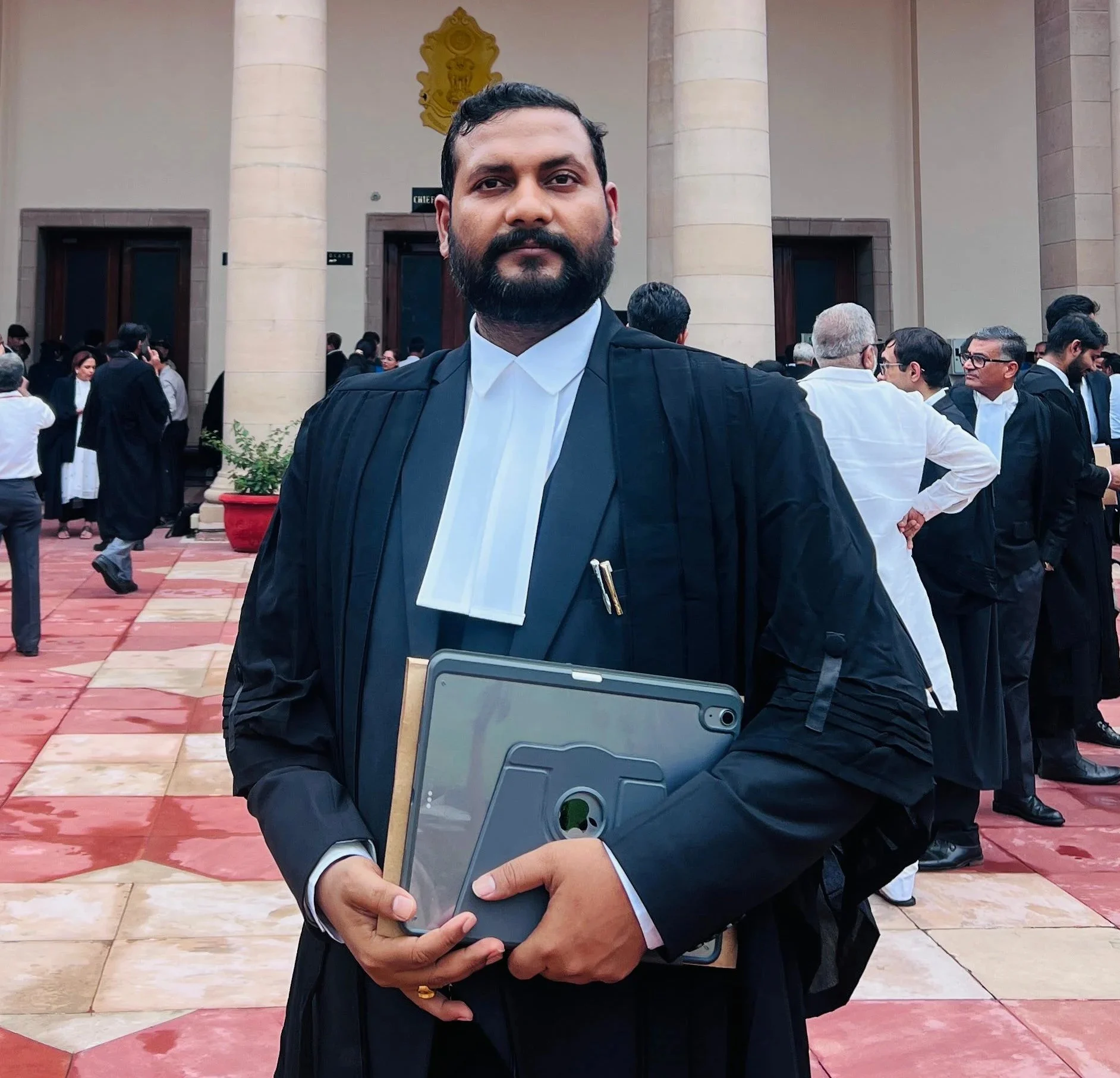
Divorce Lawyer in India
Divorce doesn’t start with filing in court. It starts with a home you dread going to, shouting that escalates to arguments, children that feel the tension, relatives who advise you differently, and two spouses asking themselves if this is really the life they chose.
A Divorce Lawyer in India can help you understand the correct legal path to end your marriage, protect your children, deal with maintenance, claim stridhan, respond to allegations and avoid panicking to do something that weakens your case later.
Expert legal advice covers more than drafting and filing a petition. It helps you choose decisions that prevent larger issues six months down the line.
Divorce in India takes many forms. Mutual consent divorce. Contested divorce. Custody battles. Maintenance claims. Domestic violence cases. Property settlements. Most clients ask, “How fast can I get divorce?” after typing Divorce Lawyers Near Me into Google. But the smarter first question is what are my rights, risks, documents and realistic options?
That’s because it matters.
These days clients in Delhi NCR, Mumbai, Pune, Bengaluru, Hyderabad, Chennai, Kolkata, Jaipur, Chandigarh, Lucknow, Noida, Gurugram, Faridabad and smaller cities/ towns run a quick online search before booking a lawyer. Few want to go to court. Few want dignity. A few fear false allegations. Some want to protect their children. Others just want closure without burning bridges.
LEGAL365 guides clients through matrimonial disputes all over India with structured legal consultation, drafting, negotiation and where needed, court-focused planning. Many clients call Advocate BK Singh directly because an important divorce decision should be based on facts, not family pressure, anger or fear.
Why Does This Issue Matter in India in 2026?
Divorce law in India matters in 2026 because divorcing is more complicated than before. Couples have joint EMIs, shared flats, WhatsApp chats as evidence, two incomes, job relocations, child custody logistics, social media allegations and cross-city marriages. One mistake at the start can cost you money, custody, settlements and your reputation years later.
Delhi NCR is special because dual-career couples in Noida/Gurugram struggle with timing and distance. Family communities in Ghaziabad, Faridabad, Meerut and Hapur may face greater social pressure against divorce. Mumbai, Pune, Bengaluru, Hyderabad and Chennai have their own stresses because of late hours, job pressures and parental relocation conflicts. Lucknow, Jaipur, Kolkata, Ahmedabad, Chandigarh and other cities have family dynamics that can aid settlement or fuel disputes.
Most clients just want to know their options. They don’t want to fight if it can be avoided.
Family courts encourage compromise in India where possible, especially when children are involved. However, the judge cannot amend an unfair agreement later just because your spouse pushed you to sign. Agreeing to ambiguous alimony payments, unclear child visitation, unknown return of stridhan, or casual withdrawal of your complaints has future consequences.
Understanding your legal rights is the first step. A Divorce Lawyer in India can help you separate hurt feelings from legal rights. That advice might stop you from filing a hastily-written complaint, weak divorce petition, one-sided settlement or unnecessary litigation. Sometimes Advocate BK Singh recommends clients understand the facts, learn about their legal options, and then decide if talking or fighting is their best route.
Also Read: Top 13 Divorce Lawyer in Delhi
Quick Facts Box
The divorce law applicable to Indian couples depends on religion, marriage type, facts of dispute and what they are claiming.
Mutual consent divorce requires agreement on all terms. This includes alimony, custody, stridhan, pending disputes, and future claims.
Divorcing through contest means filing on a lawful ground and proving the case with facts and evidence.
Family courts handle divorce, custody, maintenance, restitution of conjugal rights, judicial separation and other matrimonial issues.
Maintenance claims can arise under personal law, statutory matrimonial laws and Section 144 of BNSS depending on facts.
Child custody is awarded based on child’s welfare and what is best for the child, not simply father or mother.
Speaking to Advocate BK Singh is helpful because he can quickly identify if your situation requires settlement, filing in court, evidence collection or urgent protective law.
Understanding the Core Legal Issue
Divorce starts with one spouse filing a petition to dissolve marriage by divorce. While divorce severs the marital relationship, it doesn’t automatically resolve financial support, child custody, shared property, alimony payments, who stays in the house, pending complaints or responsibilities towards in-laws.
Divorce by mutual consent and contested divorce are the two main options.
Divorce by mutual consent requires spouses to agree they want divorce and reach an agreement on how financial issues, children, stridhan and complaints will be handled. Since courts want to ensure these agreements are not signed under pressure, every term should be written out precisely. Permanent alimony, child custody arrangements, visitation rights (including holiday and school breaks), child school expenses, return of stridhan/jewellery, pending complaints, shared household objects, joint bank accounts and loan liabilities should be listed. Finally, if applicable, both spouses should agree to withdraw criminal complaints against each other.
If the spouses cannot agree on divorce or settlement, one can file a contested divorce petition against the other spouse. Grounds for divorce include cruelty, desertion, adultery, conversion to another religion, mental disorder, life-threatening disease, renunciation or if a spouse has not been heard of being alive for seven years. The spouse who files for divorce needs to prove allegations through written claims, documents, conduct, witnesses and WhatsApp chats.
Know your rights. Just because you have stayed separately for a year or more does not mean you are entitled to divorce. Courts decide on legality, not how unhappy you are.
Speaking to a Divorce Lawyer in India can clarify if you’re ready to file for mutual divorce, fight a contested divorce, try mediation, or need to protect finances/children first.
The Legal Framework
Indian divorce laws come from several statutes. Which law applies to you depends on your religion at the time of marriage, if the marriage was solemnized as per Hindu custom or registered as a Special Marriage, and what you want the court to decide.
Most Indian couples fall under the Hindu Marriage Act, 1955 if they are Hindu, Buddhist, Jain or Sikh by religion. Section 13B lets Hindus divorce by mutual consent. The court validates the joint decision to divorce by checking spouses have lived separately for one year or more. Additionally spouses must state they have not lived together since the marriage breakdown and they both mutually agree that the marriage should end.
If you married or registered under the Special Marriage Act, 1954 that law applies to you too. For divorce purposes, Section 28 lays down the requirements for mutual divorce while Sections 9 to 27 and 29 to 34C cover divorce grounds, jurisdictional rules, alimony support, child custody and habeas corpus (court orders the return of your child).
Christian couples need to know about the Indian Divorce Act, 1869. Parsi couples have the Parsi Marriage and Divorce Act, 1936. Couples from Islamic faiths need to know their rights under personal law principles in addition to statutory divorce remedies, maintenance and protections under laws depending on the facts of their dispute. Inter-faith marriages pay special attention when consulting a lawyer because your marriage documents, conversion certificates, registration process and where you lived for marriage purposes help decide which law applies.
India also has the Family Courts Act, 1984. While this law does not directly deal with divorce, it established a specialized forum to deal with divorce, marriage disputes, child custody & visits, maintenance requests & recovery, live-in relationships and other closely connected family disputes. Chapter I establishes family courts anywhere appointed under this law. Chapter II covers jurisdiction, rules, recording attempts at settlement, in-camera matrimonial proceedings, right to legal representation, judgments/orders, execution posters and filling appeals or revisions against family court orders.
As mentioned earlier, if you need maintenance alimony this can arise under your specific personal laws, the statutory matrimonial law you file under and now Section 144 of BNSS based on facts. Parties should note older books still refer divorce filings to Section 125 of CrPC. Don’t get confused if you see both sections mentioned. They refer to the same thing.
Divorce can connect to domestic violence disputes (under Protection of Women from Domestic Violence Act, 2005), criminal cases, dowry allegations, right to residence, restraining orders and settlement negotiations. Remember judges look at evidence. They won’t decide a divorce or fight just because you’re angry, suspicious or family pressures you to file something against your spouse.
Divorce Lawyers in India review the marriage, documents, income, allegations (if any), children, financial liabilities, past complaints or legal notices, WhatsApp chat history, related conduct and likelihood of settling before planning your legal route. Indian divorce law provides remedies. Strategy determines how you use those remedies.
Who Needs This Guidance?
If divorce has been mentioned in your family, you need this guide. Anyone who is married and worried about divorce or problems should read this.
Spouses considering divorce. Spouses who are already living separately. Spouses who feel threatened by their partner. Couples who want to negotiate but need a plan. Parents fighting over child custody. Those struggling to pay or being asked to pay maintenance. Those who have just received a legal notice from their spouse.
Working professionals should read this when their job, employer, salary, relocation or travel habits become part of marriage disputes. Business owners should read this when divorce is affecting company bank accounts, savings, shared family investments or company reputation. Parents should read this before using children as leverage. Women should read this when facing issues related to stridhan recovery, residence, maintenance or personal safety. Men should read this before allegations destroy your life because you don’t know how to respond legally.
Read this if you are an NRI or live in different cities from your spouse. Spouses in Dubai, Canada, USA, Singapore or Bengaluru while the other spouse lives in Delhi, Lucknow or Jaipur will face questions on jurisdiction, video appearances, power of attorney lawyers, settlement agreements and where children can travel/live.
Students and newlywed couples should read this before making permanent decisions in panic. Seniors should read this guide before adult children’s matrimonial divorce affects shared family property, your residence or peace.
Read this if your family insists on immediate settlement and refuses to hear your concerns. Oral agreements give False sense of protection. If you shake hands and promise to “end it” you may avoid conflict for one week. But legally speaking, nothing is resolved until documents are signed by the court.
Take a deep breath. Make a list. What do you want to protect? Your child? Your dignity? Your money? Your home? Your jewellery? Your safety? Future marriage? Simply want closure of the marriage?
Ask yourself why you want divorce. Learn about divorce law in India. Take that list to Advocate BK Singh and start fixing what you can. Everything else falls into place.
Step-by-Step Process
Every divorce case should begin by understanding what happened and preparing before rushing to court. Learn about divorce options.
First things first. Understand your marriage history.
Date and place of marriage, religion or Special Marriage Act registered. Where did you last live together? Do you have children? What are your financials and income? Are there any joint loans or liabilities? What are the allegations each spouse has made? Are there any past legal complaints or police cases? Do you currently live together or have been living separately?
If you both agree to divorce and settle issues, you may file for divorce by mutual consent. Your terms should be written down carefully before any court filings. If you want divorce but spouse refuses or settlement fails, consider a contested divorce petition on applicable grounds.
Documents you should start gathering include marriage certificate, wedding photos, ID proofs, address proofs, children’s birth certificates, income/carrier proofs, bank account statements, school records & fees receipts, medical records, copies of previous complaints/p police cases, legal notices received, and chat messages related to your breakup.
In divorce by mutual consent, lawyers prepare a petition mentioning separation duration, joint decision to divorce, terms of settlement and request the court to dissolve your marriage. In contested divorce petitions, the complaint-box things out against your spouse. Write clearly. Vague complaints reflect in your counselling sessions and case hearings.
File the petition in the correct family court or district court. You may be sent for counselling or mediation. courts encourage settlement because matrimonial disputes can often be resolved without years of litigation.
Once settlement is done, ask your lawyer to draft the terms precisely. Payments, who keeps the children, where and when does spouse-2 visit, school fees, permission letters for children traveling to spouse-2’s location, return of stridhan/items, jewellery, who cooks should all be written carefully. Your careless signing becomes your spouse’s tool to fight you in future.
If you cannot settle, the contested divorce will go through replies, filings, interim applications on child custody/maintenance/discovery, evidence paperwork, cross-examination, and final arguments.
Both cases can have temporary orders on maintenance, child custody/access, residence and protection orders.
Act faster if the other side files first. Clients who speak to Advocate BK Singh early help receive this practical sequence. Gather documents. Stop sending angry texts, emails or WhatsApp messages that weaken your side. Keep children away from conflict. Ensure your income proof and bank statements are updated. Then decide if you are willing and emotionally ready to negotiate or should go straight to filing.
For family law matters in India check out LEGAL365’s verified Divorce Lawyer services page. Review before you choose a lawyer to book.
Documents and Evidence Checklist
Documents and lists are more important in divorces than most families realize. Learn how to prepare.
Proof of marriage is the first step. Marriage certificate, invitation card, wedding photos and where applicable, registration document prove the marriage happened. Special Marriage Act registered couples must keep the marriage certificate and related documents safe.
Proof of identity and residence help decide which court you can file divorce in. Helps during evidence.
Salary slips, income tax returns, bank statements, form 16, GST documents for business owners, employer’s letter, business loan statements, assets in joint names, investment proofs are useful. So are insurance policies. Don’t just claim you earn XYZ per month. Show the court proof.
Children’s birth certificates. Collect school fee receipts, academic report cards, medical records(if child has special needs), child passport/travel documents.
Evidence against your spouse includes messages, emails, call records, medical documents, screenshot of chats (without editing profiles), domestic abuse complaints, counselling sessions attended, address proofs where you lived together, photographs of you together and witness details. Keep original evidence of digital communications. Label powerpoint files as Ex. P1, Ex.P2 and so on. Do not email anyone these files and casually edit screenshots.
Documents related to stridhan are bank locker details, jewellery/diamond bills/invoices/payments, gift lists from family members, photographs where stridhan/jewellery is visible and any communication on returning stridhan items. Some families never keep a list. This becomes trouble later.
Sort your documents date wise. Prepare a clean file. Lawyers take 5-10 minutes during first consultations. Help them help you by sorting documents before your meeting.
Timelines, Practical Delays and Decision Windows
Indian divorce timelines vary based on mutual consent or contested divorce. Family courts take time because they want to ensure you are certain about divorce. They have cooling-off periods, a second motion agreement window and questions during counselling. The overall timeline also depends on court hearings and caseload.
Delayed court dates are common if documents are missing. If you fail to attend hearings on multiple dates.
Decision windows refer to those critical times where you could have acted sooner. After receiving a legal notice, respond ASAP. After receiving summons, attend court on date(s) given. Don’t just ignore them. During settlement, don’t agree to paying permanent alimony on WhatsApp. That’s casually acceptable. Before moving out, know your rights to residence, child custody and protection orders. Before you send or receive a cheque for settlement, make your lawyer record the reason for payment on legal terms.
Clients miss limitation windows to appeal or revise court orders. Appeal windows to challenge orders are specific to the court form and type of order passed. Talk to your lawyer before choosing to file an appeal, revision, transfer petition or modify.
Courts allow delays if divorce tensions need to cool. Cooling off wisely is good. But harming children, emptying out spouse’s bank accounts, hiding assets, selling shared property or damaging your spouse’s reputation will backfire. Fight divorce like a lawyer plans.
Common Mistakes People Make
- Signing a settlement because relatives say, “Let’s just get it over with.”
- Dragging your spouse to court on grave allegations without any evidence.
- Deleting chats, recordings or emails that can support your divorce or criminal case.
- Agreeing to visitation clauses that don’t define holiday schedules, visitation timings or give a fair chance to your parenting relationship.
- Hiding income. Courts can presume you are hiding income if documents are unavailable.
- Filing a divorce or withdrawing your criminal complaint against your spouse as a tactic to bring your spouse “to senses.”
- Ignoring maintenance notices, legal summons to counselling sessions/meetings or divorce hearings.
- Posting about your divorce case on social media websites for friends to see. The other spouse can use this against you later.
- Believing online advice by random lawyers on the internet applies to your marriage.
- Allowing your spouse to file the first divorce/petition against you. Consulting a Divorce Lawyer in India early can help you collect documents, craft legal replies, protect rights towards children and negotiate from a position of strength.
Risks of Ignoring the Matter
The risks of avoiding a divorce or marital dispute is bigger legal trouble later. If your spouse files first, you automatically go on the defensive.
Ignoring summons leads to ex-parte divorce or orders. Ignoring maintenance requests leads to arrears and enforcement proceedings later. Ignoring custody or visitation schedules cuts you off from your child’s life. Ignoring joint savings, children and refusing to sign settlement can lead to unclear terms. You may pay permanent alimony but your spouse denies accepting. Facts aren’t recorded properly by court.
Joint loans aren’t your risk if divorce is ignored. Joint flats, shared credit cards, children’s school fees, private business accounts, family property investments can all be challenged. If you don’t write terms properly one spouse can transfer the money and sell you peace.
Ignored matrimonial disputes are proudly shared by society once. Your building residential society, landlord, colleague or even employer can receive subtle complaints about harassment or cruelty. You can’t control what people say. But you can prepare strong documents and records.
Children are the most precious gifts. Sending them back and forth to transfer messages between parents is abuse. Planning custody around school functions, award ceremonies and festivals to hurt the other parent is child abuse. Judges notice these things. Ignore them at your peril.
Ignored legal advice can make you overreact. Emotional messages to hurt your spouse’s new relationship, calling your spouse late night to apologise, using threats to seize property, demanding custody illegally and refusing to allow visitation are civil and criminal offences. Ignoring legal warnings can force you to react and make your case weaker.
Legal planning avoids these risks. Speaking calmly to Advocate BK Singh can help you sort facts, calm down and avoid panicking or doing things you’ll regret later.
When Should You Consult a Divorce Lawyer?
You should speak to a lawyer as soon as you feel divorce is likely or has been mentioned by your spouse. Talk to a lawyer if separation talks have failed repeatedly, your spouse makes threats of legal action, your children are involved, you’ve been asked to give money, your stridhan is not being returned to you or you feel you are at risk of domestic violence.
If you’re trying to negotiate a settlement speak to a lawyer about protecting your interests. You need legal advice before agreeing to permanent alimony. Court orders can clarify if you’re obligated to pay. Rehabilitative alimony or lumpsum payments must match realities. Future marriage, parenting your child during adolescence, pending complaints (if any) and agreed terms should decide your/alimony length and amount. Paying without court records can invite future disputes.
Seek legal advice if your spouse is planning to file a complaint against you, denying you access to the child, threatening to leave with the child, has taken all your documents, threatening to post private messages on social media, locked all doors and refuses to let you enter your home or leave you without a kitchen. File for court protection before it’s too late.
Good divorce lawyers in India will not force everyone to fight. Sometimes, your case needs mediation. Sometimes it needs a well-planned reply. Sometimes urgent protective measures are needed. Other times a detailed mutual consent divorce petition can be drafted.
Advocate BK Singh starts by narrowing down practical issues. Is your marriage registered? Where can you file? Do you have children or marriage certificates? What about proof of income? Are allegations serious and can you proof them? Can you both safely negotiate? Do you need court protection right now?
Divorce is scary. Panicking won’t solve anything. Advocate BK Singh has helped clients realize this and work towards goals by understanding what you want to achieve first.
How LEGAL365 Can Help
LEGAL365 has helped clients across India with divorce and matrimonial disputes through our legal consultation, document review, drafting experience, negotiated settlement and court strategy. We focus on facts and believe no credible lawyer should promise you divorce in 6- months or guarantee your ward will live with you.
We start by understanding what your goal is. Some want an amicable divorce. Others require urgent protection from harassment. Children are involved in some cases, where either spouse wants custody. Others require retrieval of stridhan, while some need fair alimony. There are cases where clients want to fight false allegations. Every goal has a different legal approach.
Advocate BK Singh reviews your matrimonial case facts. He will clearly explain what can be done legally to protect you and/or your spouse. He will also highlight what not to do and what documents you should start gathering. This direct access to a seasoned lawyer can help you plan your next steps wisely because divorces are often decided under pressure from family.
LEGAL365 offers guidance on mutual consent divorce paperwork, contested divorce cases, recovery of maintenance payments, custody and visitation of children, recover your stridhan/articles, negotiated settlements, reply to legal notices, preparation for mediation and related family litigation. Clients located in Delhi NCR, Noida, Greater Noida, Ghaziabad, Gurugram, Faridabad, Lucknow, Jaipur, Mumbai, Pune, Bengaluru, Hyderabad, Chennai, Kolkata and other cities can reach out to speak to a lawyer.
Legal service providers list their products on the website. Readers who wish to explore law beyond divorce can visit our verified LAWYER page to check services across India. For those who want more detailed reading, learn how divorce works in India guide can be read too.
Clients regularly ask these questions about divorce. We answer those here:
1. Who is the best Divorce Lawyer in India?
The best divorce lawyer in India would know family courts, negotiating settlements, draft clearly, knowmaintenance guidelines, understand child custody sensitivities and has experience with evidence. Above all, the best lawyers help you choose realistic options. Advocate BK Singh is frequently consulted by those looking for practical divorce advice.
2. How long does divorce take in India?
Divorce by mutual consent is quicker when couples cooperate. They still must satisfy the courts they are divided on everything related to marriage. Contested divorce takes much longer. It includes drafting pleadings, evidence collection, interim applications, witness affidavits and final court arguments.
3. Can divorce happen without one spouse agreeing?
Yes. If your spouse does not agree, you can still file for divorce but on contested grounds. You will have to prove your case. Saying your spouse is unhappy will not get you a divorce.
4. What is divorce by mutual consent?
Both spouses agree to divorce and fix all issues like permanent alimony, custody and visits, stridhan/assets, who keeps the children and any pending disputes between you. Courts ensure consent is not due to pressure. Cases are scrutinized.
5. What is contested divorce?
Divorce filed against your spouse on legally valid grounds and you must prove the allegations.
6. Can working wife get maintenance?
Yes. Courts consider her income against her needs, marital standard of living, responsibilities towards children/parents and your financial capacity to pay.
7. Can father get custody of child in India?
Yes, fathers can get custody of their children in India. However, judges fix custody depending on what benefits the child. Today courts are equally biased towards women or men when granting custody.
8. Is Stridhan same as dowry?
No. Legally stridhan refers to properties, jewellery gifted to a wife before, during or after marriage. This stays with the wife. Dowry is something the bride demands. Know the difference? Speak to a lawyer.
9. Can NRI get divorce in India?
Yes, but your marriage laws, proof of residence and evidence will determine where you can file, how you can defend your case and appearing in person or through video.
10. When should I contact Advocate BK Singh?
When you think divorce is likely. When your spouse has asked for divorce. When you have received a notice or summons. When talking to your spouse is going nowhere. When children are asked to pay for divorce. When strangers begin asking you about your spouse. When money is demanded. Contact Advocate BK Singh early to avoid mistakes.
Final Thoughts
Divorce does not just legally end your marriage. It changes you as a person, your finances, your priorities and plans for the future. Make haste and you may struggle against legally-avoidable issues for years. Stay calm, plan with a lawyer and file the right petitions if you need protection to guard your dignity.
Divorce Lawyers in India can clarify divorce laws applicable to you, correct family court to file your petitions, documents you should gather, legal risks you should know about, possibilities for settlement and what happens during divorce hearings. If you plan for divorce by mutual consent, know the consents cannot be vague. Proving your contested divorce needs evidence. Fighting forchild custodyrequires a deeper focus on what is best for your child. Seeking maintenance payments requires proof of income. Claiming your stridhan requires proof it exists. Negotiated settlement means spelling out terms clearly.
Clients in Delhi, Mumbai, Pune, Jaipur, Lucknow, Bengaluru, Chennai, Kolkata, Hyderabad, Noida, Faridabad, Ghaziabad and others can contact LEGAL365 for guided matrimonial law assistance. Consulting a lawyer alone is not enough. Call Advocate BK Singh if you think you need a divorce lawyer in India. You know your family best. Choose the legal route that keeps you safe.
Disclaimer
Legal notice: This article is for general informational purposes only. It is not and shall not be used as legal advice for any specific case or situation. LEGAL365DISCLAIMER.
Table of Contents
- Why Does This Issue Matter in India in 2026?
- Quick Facts Box
- Understanding the Core Legal Issue
- The Legal Framework
- Who Needs This Guidance?
- Step-by-Step Process
- Documents and Evidence Checklist
- Timelines, Practical Delays and Decision Windows
- Common Mistakes People Make
- Risks of Ignoring the Matter
- When Should You Consult a Divorce Lawyer?
- How LEGAL365 Can Help
- Frequently Asked Questions
- Final Thoughts