Divorce in India is not only about ending a marriage. It may involve children, maintenance, stridhan, residence rights, protection orders, property claims, evidence, financial security and long-term family consequences. This guide explains the key legal points in a simple, practical and court-focused manner.
There is no single divorce law in India that applies to every couple in the same manner. The legal route depends on the religion of the parties, the form of marriage, the type of dispute and the reliefs claimed before the court. Hindus, Sikhs, Jains and Buddhists are generally governed by the Hindu Marriage Act, 1955. Couples married under a civil law structure, including many inter-faith or registered marriages, may proceed under the Special Marriage Act, 1954. Muslim, Christian and Parsi marriages also have their own legal frameworks.
Apart from the divorce law itself, a matrimonial case may also involve maintenance, child custody, domestic violence, residence rights, protection orders, stridhan, property claims, criminal complaints and settlement terms. This is why divorce should not be treated as only one petition. It requires proper legal planning, careful drafting and strong documentation.
A divorce case is not decided on emotions alone. Courts examine pleadings, documents, conduct of parties, income records, child welfare, settlement terms and the manner in which the case is presented.
Quick Legal Points on Divorce in India
Best suited when both husband and wife agree to end the marriage and settle alimony, custody, stridhan and pending cases.
Filed when one spouse does not agree or when parties cannot settle allegations, custody, money or other terms.
Messages, emails, complaints, medical records, financial documents and witness details can become important in court.
Custody is decided on the welfare of the child, not merely on the wishes of either parent.
Courts consider income, assets, lifestyle, needs, earning capacity, liabilities and genuine financial circumstances.
Settlement terms should mention payment schedule, custody details, withdrawal of cases and full and final closure.
Divorce by Mutual Consent in India
Mutual consent divorce is the most peaceful and practical way to end a marriage when both husband and wife agree that the marriage has broken down and they do not want to continue the relationship. Under Section 13B of the Hindu Marriage Act, 1955, both parties can jointly file a petition for divorce by mutual consent if they meet the legal requirements and agree to dissolve the marriage.
In mutual consent divorce, the court does not conduct a long trial on allegations. The main focus remains on settlement. The couple should settle important issues such as permanent alimony, stridhan, jewellery, child custody, visitation rights, maintenance, residence arrangement, pending cases, withdrawal of complaints and future claims.
It saves time, reduces emotional pressure, avoids unnecessary allegations and gives both parties a structured way to close the dispute with dignity.
Do not sign vague terms. Payment dates, custody schedule, visitation rights, stridhan return and withdrawal of cases must be written clearly.
Important Settlement Points
- Permanent alimony or full and final settlement amount should be clearly mentioned.
- Payment schedule, mode of payment and default consequences should be properly written.
- Child custody, school holidays, birthdays, festivals and video calls should be clearly recorded where required.
- Stridhan, jewellery, household articles and personal belongings should be listed carefully.
- Pending cases and complaints should be addressed with proper withdrawal terms.
Mutual consent divorce should never be signed casually. Once financial settlement, custody terms or withdrawal clauses are accepted, changing them later may become difficult.
Contested Divorce in India
A contested divorce is filed when one spouse wants divorce but the other spouse does not agree, or when both parties want separation but cannot agree on allegations, maintenance, custody, settlement or other terms. In such cases, the petitioner has to prove one or more legal grounds before the court.
Common grounds under the Hindu Marriage Act include cruelty, desertion, adultery, conversion, mental disorder, communicable disease in certain contexts, renunciation, presumption of death and other grounds recognized by law. The exact grounds depend on the personal law applicable to the parties.
Cruelty as a Ground of Divorce
Cruelty may include physical abuse, mental abuse, constant humiliation, false accusations, abusive conduct, threats, refusal to perform marital obligations, persistent harassment, character assassination, financial control or conduct that makes it impossible for the other spouse to live peacefully. Courts look at the overall conduct of the parties and the seriousness of the allegations.
Desertion as a Ground of Divorce
Desertion means one spouse has abandoned the other without reasonable cause for the legally required period and with the intention of ending cohabitation. It is not enough to say that the spouse is living separately. The petitioner must show that the separation was without consent, without reasonable justification and with an intention to desert.
In a contested divorce, evidence is extremely important. Courts do not decide serious allegations only on emotions or verbal claims. A few strong documents can be more useful than many irrelevant screenshots.
Advocate BK SinghEvidence in Contested Divorce
Child Custody in Divorce Cases
Child custody is one of the most sensitive parts of matrimonial litigation. Indian courts follow the principle that the welfare of the child is the paramount consideration. The child is not treated as the property of either parent. The court looks at what arrangement will protect the physical, emotional, educational and psychological welfare of the child.
Courts may consider the childs age, preference of the child if the child is mature enough, stability, health needs, emotional bonding, ability of each parent to care for the child, conduct of the parents, support system available and whether either parent is trying to turn the child against the other parent.
The court may pass temporary custody or visitation orders while the main case is pending.
The court decides final custody after considering the overall welfare and stability of the child.
The non-custodial parent may get meetings, calls, video calls, festival access or vacation access.
The child should not be used as a messenger, weapon or pressure point between parents.
Courts take a serious view when one parent denies access without reason, makes false allegations, tutors the child or creates fear in the mind of the child.
Maintenance and Alimony in Divorce Cases
Maintenance and alimony are among the most contested issues in matrimonial cases. Maintenance may be interim, meaning payable during the pendency of the case, or permanent, meaning granted at the final stage depending on facts. The purpose of maintenance is not to punish. It is meant to ensure that a financially dependent spouse is not left without reasonable support during or after litigation.
Courts generally consider income, assets, liabilities, lifestyle during marriage, education, earning capacity, health, dependents and conduct of parties where relevant. The court may ask both parties to file income affidavits, bank statements, salary slips, income tax returns, business records, rent agreements, loan details and expense details.
Factors Courts May Consider
- Actual income and financial capacity of both parties.
- Standard of living enjoyed during the marriage.
- Reasonable needs of the spouse claiming maintenance.
- Education, qualification and earning capacity of both parties.
- Liabilities, dependents, loans and genuine financial hardship.
- Disclosure of bank statements, salary slips and income tax records.
There is no single fixed formula for maintenance in every case. Courts examine the facts, income, needs, lifestyle, earning capacity and financial disclosures of both parties.
Property, Stridhan and Financial Settlement
Divorce does not automatically mean that all property will be divided equally between husband and wife. Indian matrimonial law does not apply one simple fifty-fifty rule in every case. Property rights depend on ownership, title documents, contribution, possession, inheritance, gifts, joint loans and specific claims made by the parties.
Stridhan is different from general property claims. Jewellery, gifts and articles given to a woman before, during or after marriage may form part of her stridhan, depending on facts and proof. A wife has the right to claim return of her stridhan. If jewellery, valuables, wedding gifts, cash or personal belongings remain with the husband or in-laws, the issue may arise in matrimonial proceedings or related complaints.
Financial Settlement Should Cover
The Role of Documentation in Divorce Cases
Documentation can make or break a divorce case. Many people approach lawyers after years of conflict but they have not preserved important evidence. They delete messages, lose medical records, fail to keep copies of complaints, ignore bank statements and do not maintain a proper timeline. Later, when the case reaches court, they face difficulty in proving what actually happened.
A person involved in a matrimonial dispute should maintain a clear record of important events. Dates of separation, incidents of cruelty, financial transactions, medical treatment, school expenses, police complaints, legal notices, family meetings and settlement attempts should be arranged in a proper sequence.
This does not mean creating false evidence. It means preserving genuine records so that the court can understand the real dispute clearly.
Legal Documentation PrincipleDocuments That May Help
- Marriage certificate, photographs and proof of marriage.
- Address proof, identity proof and basic family records.
- Income proof, bank statements, salary slips and ITRs.
- Medical records, complaint copies and previous notices.
- Child school records, fee receipts and medical papers.
- Settlement drafts, mediation records and communication history.
Divorce Case Support from Legal365
Legal365 focuses not only on filing a case but also on understanding the complete situation of the client. Divorce affects family, finances, children and future stability. Every case needs a different strategy. Some cases require settlement. Some require strong litigation. Some need urgent protection. Some are sensitive because children are involved. Some require defending false allegations. Some require careful negotiation on maintenance and custody.
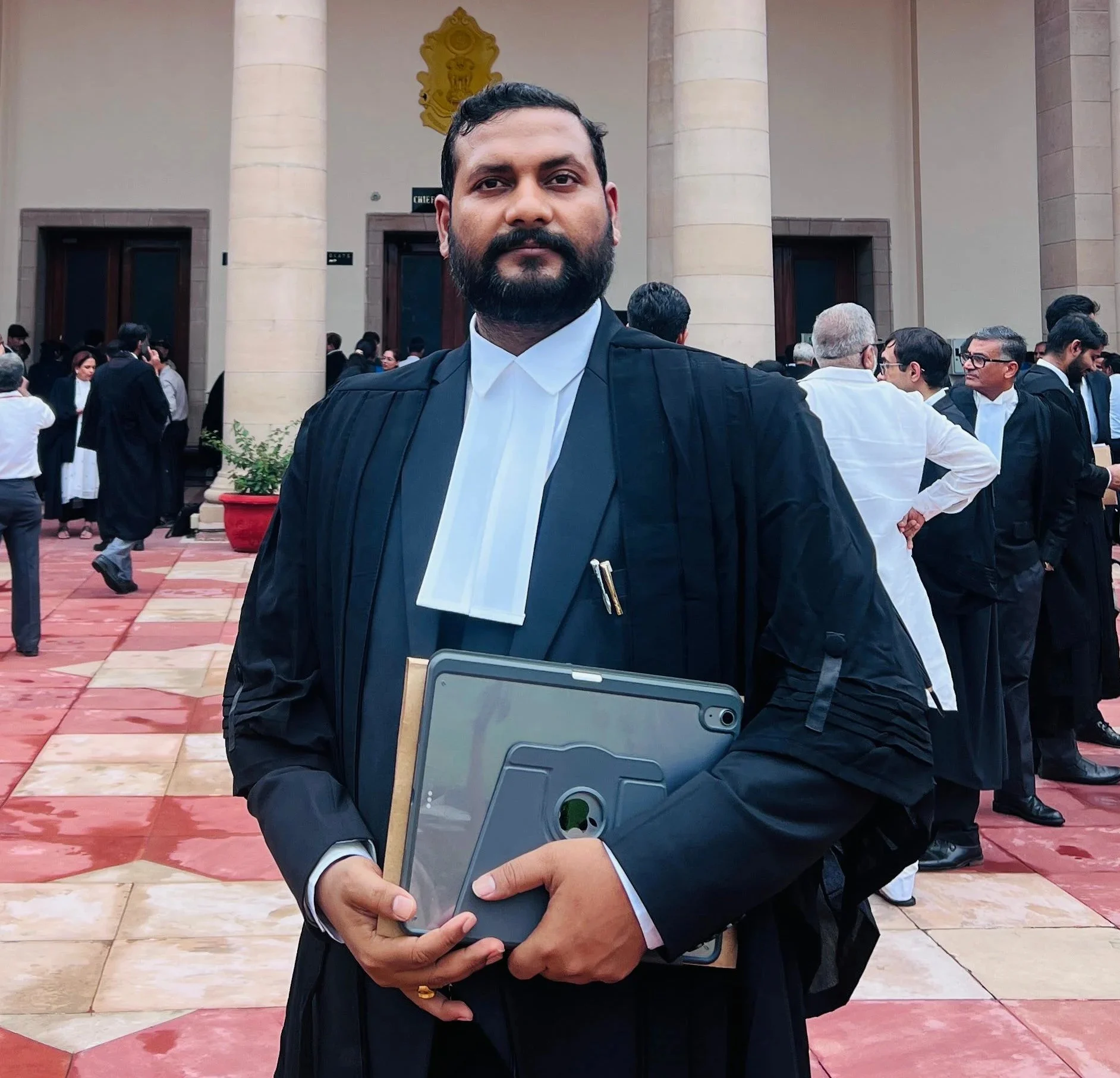
Advocate BK Singh assists clients by examining facts, reviewing documents, identifying legal remedies, preparing petitions, drafting replies, advising on evidence, handling settlement discussions and representing clients in court proceedings. The aim is to give clients a realistic understanding of their legal position instead of false hopes.
A good divorce lawyer should not push unnecessary litigation where settlement is possible. At the same time, a lawyer should not advise a weak settlement when the clients rights require strong legal representation.
Final Thoughts
Divorce is a serious legal matter in India with personal, financial and emotional consequences. Proper legal advice can prevent mistakes whether the matter is mutual or contested. Mutual consent divorce needs clear settlement terms. Contested divorce needs strong pleadings and evidence. Child custody needs sensitivity and focus on the welfare of the child. Maintenance needs honest financial disclosure. Property and stridhan issues need proper documentation.
A person should not rush into divorce without understanding rights and obligations. At the same time, no person should remain trapped in a broken or harmful marriage only because of fear, pressure or misinformation. Indian law provides remedies, but those remedies work best when the case is prepared properly from the beginning.
Before signing any settlement, filing any divorce case or replying to allegations, take proper legal advice. The right legal strategy at the beginning can save years of stress later.
Top 10 FAQs on Divorce Law in India
Divorce cases often create confusion because every family situation is different. These frequently asked questions explain the most common doubts related to mutual divorce, contested divorce, child custody, maintenance, alimony, stridhan and legal documentation.
1. What is the fastest way to get divorce in India?
The fastest legal route is usually mutual consent divorce, provided both husband and wife agree on all important terms such as alimony, child custody, visitation rights, stridhan, pending cases and financial settlement. If the dispute is fully settled, the process becomes smoother and less stressful.
2. Can divorce happen without the consent of one spouse?
Yes. If one spouse does not agree, the other spouse may file a contested divorce petition on legally recognized grounds such as cruelty, desertion, adultery, conversion or other applicable grounds. In such cases, the petitioner has to prove the allegations through proper pleadings and evidence.
3. What is the difference between mutual divorce and contested divorce?
Mutual divorce is filed jointly when both parties agree to end the marriage and settle all terms. Contested divorce is filed when one party does not agree or when disputes remain on issues such as allegations, maintenance, custody, property or settlement amount.
4. How long does mutual consent divorce take in India?
The timeline depends on the facts of the case, court schedule and whether the cooling-off period is waived. If both parties have settled everything properly and there is no dispute left, the process may be completed faster than a contested divorce.
5. How long can a contested divorce case take?
A contested divorce may take more time because the court has to examine pleadings, replies, interim applications, evidence, cross-examination and final arguments. The duration depends on the complexity of allegations, number of applications, court workload and conduct of parties.
6. Who gets child custody after divorce?
Child custody is decided on the principle of welfare of the child. The court considers the childs age, emotional bond, education, stability, health needs, preference of the child where appropriate and the ability of each parent to provide care. Neither parent gets custody automatically.
7. Can the father get child custody in India?
Yes. A father can get custody if the court finds that it is in the best interest of the child. The court does not decide custody only on gender. The main concern is the childs welfare, safety, emotional stability, education and overall development.
8. Is maintenance compulsory in every divorce case?
Maintenance is not automatic in the same manner in every case. Courts consider income, assets, liabilities, standard of living, earning capacity, genuine needs and financial condition of both parties. If both spouses are earning, the court may compare their income and circumstances.
9. What is stridhan and can a wife claim it after divorce?
Stridhan generally includes jewellery, gifts, valuable articles and belongings given to a woman before, during or after marriage, depending on facts and proof. A wife can claim return of her stridhan if it is retained by the husband or in-laws.
10. What documents are important in a divorce case?
Important documents may include marriage proof, identity proof, address proof, income documents, bank statements, salary slips, income tax returns, medical records, complaint copies, legal notices, child school records, photographs, messages, emails and settlement records. The exact documents depend on the facts of the case.