Learn legal steps a loan settlement lawyer can take against false digital lending app notices, harassment, inflated dues and recovery threats in India.
Any borrower can be frightened by a fake legal notice from a digital lending app. Many receive threatening messages of police action, court cases, cyber complaints, employer calls, family disclosure or immediate arrest. Some notices speak of inflated dues, fake legal charges, unknown loan accounts, duplicate demands for repayment or recovery claims even after payment.
A loan settlement lawyer doesn’t just “ignore” a notice like this. The legitimate way to do this better is to check your lender, check the loan trail, dispute false claims in writing, keep digital evidence, escalate complaints to the regulated entity, and take action where there is harassment, data misuse, impersonation or illegal recovery pressure.
For borrowers across India, Delhi NCR, Delhi, Noida, Ghaziabad, Gurugram, Faridabad, Lucknow, Jaipur, Mumbai, Bengaluru and other major cities, the risk is not just money. The greater danger is to make payment in panic without ascertaining the legality of the demand. Advocate BK Singh & Advocate Sadhna Singh often advise borrowers to first distinguish a genuine recovery notice from a coercive, inflated or fabricated digital-lending threat.
A loan settlement lawyer can help to quash a fake legal notice from a digital lending app by sending a detailed legal reply, denying false liability, demanding loan documents, challenging inflated charges, preserving screenshots and call records, filing complaints with the lender's grievance officer, RBI Ombudsman where applicable, cyber police and consumer forums if deficiency or unfair practice is involved.
The RBI’s digital lending framework requires disclosures such as Key Fact Statement and regulated entity linkage, and recovery practices should be fair and non-coercive. RBI also states that complaints should be disposed of before banks forward matters to recovery agents, except in limited cases of frivolous complaints.
Just because a notice on a loan app is written in legal language does not make it a valid notice.
Borrowers have the right to request for loan agreement, KFS, sanction details, repayment ledger and proof of authority.
Threatening to contact relatives, employers or social contacts may indicate harassment or privacy abuses.
A bona fide lender has to be generally associated with a bank or NBFC regulated by RBI.
Complaints can be made to the police, cyber cell or regulator on grounds of illegal recovery pressure.
All settlement must be in writing before payment is made.
Advocate B K Singh & Advocate Sadhna Singh suggest save evidence before replying.
A fake digital lending notice often has poor documentation, inflated numbers, vague lender identity, aggressive threats or no clear regulated entity behind it. Some call centres, recovery vendors or app-linked agents send notices without proper authorisation.
A borrower should check four things first: whether the loan was actually taken or not, whether the amount claimed is equal to the disbursal, whether repayments have been credited and whether the app is linked to a regulated entity. RBI has also operationalised a directory of Digital Lending Apps from July 1, 2025 to assist users in checking association with regulated entities.
Usually, before drafting any legal response, Advocate BK Singh & Advocate Sadhna Singh check the notice wording, app name, loan account number, lender name, NBFC name, repayment proof, bank entries and communication trail.
Often the first practical step to challenge a false notice is a legal reply. It must not be emotional. It must refuse wrong liability, find factual errors, ask for documents for substantiation and warn about coercive recovery.
The answer might include:
| What to submit | Why this matters |
|---|---|
| Contract of loan | To verify real contractual liability |
| Summary of Key Facts | To verify APR, fees and disclosure |
| Disbursal proof | To verify amount received |
| Repayment Ledger | To view balance due |
| Recovery authorization | To find out who is legally calling the borrower |
| Data consent log | To combat misuse of contact lists |
If the claim is not based on evidence, the reply prepared by Advocate BK Singh & Advocate Sadhna Singh can also demand withdrawal of the false notice.
Loan recovery as such is not illegal. It is harassment. Recovery agents may not threaten you, use abusive language, publicly shame you, intimidate you, or invade your privacy. RBI had long mandated banks to adhere to proper standards of conduct for recovery agents.
In case of any app agent threatening of arrest, circulating morphed photos, calling relatives, abusing the borrower, contacting his employer or demanding payment beyond the actual dues, the borrower should immediately preserve the evidence. Screenshots, call recordings (where legally permissible), WhatsApp chats, phone numbers, UPI IDs, payment links and app notifications become important.
Depending upon the conduct, Advocate BK Singh & Advocate Sadhna Singh can prepare a complaint to the lender, grievance officer, cyber cell, police station or regulator.
The consumer law remedies may be also explored if the issue is deficiency in service, unfair trade practice, excess recovery, wrongful reporting, data misuse, non-closure after payment or mental harassment.
The following are consumer court keywords for this India topic:
Lawyer of NCDRC in Indian
SCDRC Lawyer India
Lawyer for District Consumer Court, India
These should also be treated as separate dedicated pages: “NCDRC Lawyer in India”, “SCDRC Lawyer in India” and “District Consumer Court Lawyer in India”, because each forum has different pecuniary and procedural role.
A loan settlement lawyer may use a combination of reply, negotiation, complaint and litigation support. The specific route is a question of facts.
First, the lawyer checks if the lender is a bank/NBFC regulated by the RBI or an un-licensed app. Then the lawyer checks the bank statement, app dashboard, messages of closure of the loan, proof of repayment, and the notice contents of the borrower. In the event of an incorrect notice a denial is returned.
If there are dues but the amount is exaggerated, Advocate BK Singh & Advocate Sadhna Singh may seek a corrected statement and terms of settlement. Where there is harassment the approach can be a police complaint, cyber complaint, escalation to the lender and written warning against third party disclosure.
Borrowers can also escalate unresolved complaints through appropriate grievance channels with regulated lenders. RBI's digital lending FAQs stress disclosures, lender responsibility in digital lending arrangements.
One mistake many borrowers make is paying out of fear and then struggling to prove coercion. A settlement needs to be in writing, and it should specify the loan account, the final amount, waiver, closure, NOC timeline and the effect on the credit report.
Where necessary, a lawyer may mark payment “without prejudice” and require written confirmation before settlement. Advocate BK Singh & Advocate Sadhna Singh generally counsel that the recovery callers should not send you any random UPI links or personal accounts to make payments.
A real settlement should not be something of words.
What to collect from borrowers:
These documents will help Advocate BK Singh & Advocate Sadhna Singh to prepare a reply based on facts and not a weak denial.
Please, do not delete the app without saving screenshots. No, don’t pay just because someone says “legal department”. Check records before taking any liability on WhatsApp. Never give Aadhaar, PAN, family contacts or employer details to unknown agents.
Does the question matter? A calm written response is more powerful. Advocate BK Singh & Advocate Sadhna Singh also cautioned borrowers not to ignore a legal notice issued by a genuine lender in the proper format, as their silence may be used against them in future.
Legal365 is a portal for borrowers who need structured help with legal drafting, responding to notices, settlement help, harassment complaint support and digital lending dispute help.
Advocate BK Singh & Advocate Sadhna Singh can read the notice, check lender documents, draft a denial or settlement reply and advise the borrower if the matter needs consumer, cyber, police, regulatory or civil action.
Disclaimer: This article is general information and not legal advice.
This article addresses frequently asked questions about loan app legal notice and harassment received by borrowers through digital lending apps. It explains borrowers’ legal rights, possible mistakes in recovery claims, email reply strategies, secure loan app payment methods, and how online lenders misuse personal data after loan disbursal.
From a lawyer’s point of view, common questions borrowers ask regarding loan app notices are -
Yes, loan app or the regulated bank/NBFC operating the platform can send legal notice if there is a legitimate loan liability, documented default, and authority to recover dues. However, getting a legal notice doesn’t make the demanded amount legally right. Many borrowers get legal notices with high interest, unfair charges, incorrect loan account number, unclear lender details, illegal threats beyond recovery, or simply fake claims. Legal notice should have clear loan details, outstanding amount, calculation basis, lender identity, legal claim, and demand for repayment. You can legally rebut notice if it’s vague, abusive, unsupported by documents, or sent by unknown recovery agency. Borrowers must not panic or pay fearing threats. Check your loan agreement, repayment record on app, bank statement, mismatch in calculation and lender authorization before replying or making payment.
Loan settlement lawyer cannot make the notice vanish without checking facts but can take prompt legal action to dismiss and nullify a false legal notice. Lawyer can send a legal reply denying liability, requesting documents, asking for repayment ledger, disputing unfair charges, and demanding proof of sender’s authority. If notice is baseless and prima-facie false then the legal reply can put condition on app/NBFC/recovery agency/legal person sending notice to first withdraw false legal notice. Additionally, if notice contains threats of police, misuse of personal information, abusive recovery calls, illegal coercion to settle, or fake criminal complaint then lawyer can also guide you to file complaints against lender before the grievance officer, RBI Ombudsman (if eligible), cyber cell, local police authority, or consumer forum. Goal is to create documented legal defence and put an end to illegal coercion.
If you never took the loan then treat this loan notice seriously as potential identity misuse or wrongful loan recovery. Do not ignore loan notice because silence might let the sender continue harassment calls or wrongly update your loan account. First gather your bank statements, credit report, screenshots of messages/chat, app information, caller numbers, linked emails, and UPI IDs. Send a written statement denying loan and clearly mention you never applied for, accepted or received the mentioned loan. Ask them to provide disbursal proof, loan agreement, KYC documents used, IP/device from which loan applied, sanction/internal approval record, and sender’s authorization to recover loan. Advocate BK Singh & Advocate Sadhna Singh can help you draft a structured legal reply and advise if cyber complaint, police complaint, or credit- report dispute filing is needed.
Loan app agents should not put pressure on your relatives for recovery. Calling relatives, friends, employers, colleagues, acquaintances or anyone from your social circle to shame you, harass you, blackmail you or threaten you with loan details can amount to harassment, breach of privacy, unfair trade practice or data misuse. Recovery agencies working with loan apps often access your contact list illegally/appraudently or misuse permissions granted to the lender app while installation. Always ask agents where they got your number from. If agents are harassing your relatives then make your family preserve call details, screenshots, WhatsApp conversations, audio recordings (if legally admissible), and save the number and name of agents calling them. Lawyer can send warning notice to lender/app or recovery agency putting condition that immediate stop to all third-party intervention for recovery. Necessary complaints can be filed before lender’s grievance officer, RBI Ombudsman, cyber cell, local police authority or consumer forum for mental harassment and unlawful recovery tactics.
You should not make payment just because notice is threatening police action against you. Normal cases of loan default are generally civil/commercial recovery matters. Adding criminal allegations like police case requires specific intention, dishonesty, false promise, fake documents, or misrepresentation of facts; it cannot be levied thoughtlessly only to frighten borrower. Before making any payment you should verify if loan was taken by you or someone else using your details, claimed due amount is right, there are missing repayments entries, lender has provided disbursal proof, and whether agents have authorization to recover loan amount. You can ask loan agreement, disbursal proof, repayment ledger/history, Key Fact Statement, and loan closure calculation from agents. Once you are satisfied with the claim being genuine you may negotiate for settlement in writing. If notice is false or amount is inflated then you should send legal reply with notice. Paying in panic to unknown UPI IDs or personal bank account can land you into bigger troubles.
Yes you can file cyber complaint against loan app if agents called you and started threatening you online via messages or emails, circulated abusive messages to your contacts, used morphed images of you for recovery threats, accessed your contact list without any legal justification, created loan account in your name without applying for loan, used your identity documents illegally or started demanding money via threats. Cyber complaint becomes stronger when issue is beyond recovery and includes digital harassment, breach of privacy, identity theft, wrongful impersonation, extortionate recovery calls, or illegal usage of personal information/documents. Before filing cyber complaint gather all screenshots, link of loan app, invite URL (if applied online), SMS received, WhatsApp chat, call logs, UPI ID or bank account used for demanding payment, lender’s emails, and keep a copy of notice received. Lawyer can draft your concise cyber complaint in a language which will make cyber cell understand difference between genuine recovery attempt and illegal cybercrime.
Ask loan app, lender, NBFC, or recovery agency to produce documents which are substantiating their claim. You should ask for loan agreement, sanction letter or approval email, Key Fact Statement received at the time of applying loan, disbursal proof, complete repayment schedule as per loan agreement, full loan account statement/passbook, repayment ledger showing all deductions from your bank account or recorded payments, exact interest calculation, penalty charge calculation, breakdown of processing fee, collection charge or legal fee if any, authorized person or officer authorising agents for recovery, and identity of regulated entity who lent you money. Additionally, if notice has been received from third-party recovery agency or lawyer then also ask for written authorization of lender on whom they have received authority to recover loan. These documents will help you verify if loan exists, due amount is rightly calculated, or illegal charges are added to loan. Without production of documents borrower will not able to assess liability. Legal notice reply should first demand these documents before admitting, settling or paying claimed amount.
Yes you can dispute unfair charges if not disclosed properly before loan disbursal, not agreed to by you, too high in amount, wrongly calculated, or added afterwards during repayment without informing borrower. There are numerous instances where digital lending apps and recovery agents add unfair charges like processing fee, late payment fee, penal interest, admin/platform charge, convenience fee, extraordinary collection charges, legal charges or mismatch in app-based deductions. Compare your loan app record with loan agreement, KYC provided at loan disbursal, disbursal amount versus EMI calculated in Key Fact Statement, bank account credit and claimed repayment ledger. If loan app agents are asking for amount which is multiples higher than disbursed loan amount or agreed repayment schedule then ask lender to provide complete calculation. Lawyer can dispute unfair component in demand and ask lender to recalculate amount. Always settle genuine dues after verification and not due amount dictated by panicked reaction to recovery calls.
Yes Consumer court can be approached if borrower is a victim of deficient service, unfair trade practice, wrongful loan recovery, non-closure of account despite making full payment, wrong calculation of dues, wrongly reporting loan as default or overdue, mental harassment by recovery agents, misuse of personal data for threatening calls, or intentional refusal to provide genuine loan agreements. Compensation and consumer remedy depends upon facts of each case and jurisdiction of consumer forum. Borrower can ask for rectification of records, compensation, withdrawal of wrongful demand, refund of excess charges paid, and relief from unfair practice. Since these are India specific consumer forum search terms and routing - “ NCDRC Lawyer in India ” , “SCDRC Lawyer in India” and “District Consumer Court Lawyer in India” matters should not be clubbed together. Lawyer can advise if consumer complaint against lender, complaint to regulator or RBI, cyber complaint, or civil reply is better legal route.
Advocate BK Singh & Advocate Sadhna Singh can review loan app legal notice, check loan disbursal record via app, highlight false/fraudulent charges, draft legal notice reply, and work towards settlement or denial on facts. Role of lawyers is not limited to sending one notice only. We can help you identify if default is genuine, bill is wrong, app harassment is unfair, data shared by you is misused, loan account is fake created by lender, wrongful CIBIL default reporting or agents are illegally recovering loan from third-parties. Depending on facts we can suggest sending legal notice to lender, grievance complaint to loan app NBFC, cyber complaint, police representation form, consumer complaint or entering into settlement. Right legal intervention at right time will help borrower avoid panic payments, preserve evidence, and create solid defence against false claims.
False notice may not affect CIBIL but loan account mentioned in notice may harm your credit report if lender defaults loan as per their records. Thousands of borrowers come across digital lending issues when they see incorrect entry on their CIBIL report. If loan was not applied by you, repaid already, calculated wrongly by lender/app, or is fake account created using your details then borrower should immediately file dispute with lender and credit information company. Send dispute by email with bank statement copies, repayment acknolodgements, closure proof/screenshots, registered complaint copy, and legal notice reply given to lender. Lawyer can send legal notice demanding correction, withdrawal of wrong dues, and authenticated mail from lender confirming your dispute. Delay may affect your loan eligibility, credit card approvals, and financial reputation in future.
Settlement is possible after receiving legal notice if you owe money and want to settle debt commercially without admitting allegations, or the liability is genuine but you want lawyer-reviewed terms. Remember settlement should always be in writing, with clear terms, and should leave paper-trail. Loan settlement should clearly mention loan account number, settlement amount, waiver of remaining balance if any, payment mode preferred, due date for payment, timeline to get account closed, issue of NOC, update of credit report, and confirmation from lender that after receipt of paid amount no further recovery shall be made by lender or any agency. Borrowers should not believe callers who promise settlement if you pay. Neither should they pay into personal bank accounts or unknown UPI IDs provided by agents. Lawyer can help verify settlement amount and actual authority of person who is allowing settlement before advising borrower about closure terms.
No ignoring fake loan app notice is not recommended. Even if notice is fake, reply to it creating record that you have legally disputed the claim as soon as it was received. Ignoring notice will give harassment calls a chance to continue and recovery agents may contact your relatives, send more notices, threaten you through phone calls, report your loan account wrongly, or pressurize you by sharing your loan dues with anyone. Short yet strong legal notice denying loan and demanding documents will put lenders on notice that loan is disputed, documents are being demanded, and harassment/UFS will not be tolerated. It can also inform lender that misuse of personal data, false criminal allegations against borrower, or disclosing details to third-party will invite legal consequences. Better option is to preserve evidence, verify lender from bank documents and registered emails, reply legally to create documented evidence, and escalate complaint to concerned authorities if harassment persists.
Police cannot arrest you merely for loan default. Recovery notices and loan defaults are civil/commercial matters in nature. Criminal liability or police arrests arise when there are explicit allegations of cheating, fraudulency, forgery, identity theft, criminal intimidation or any other criminal offence which can be proved with evidence. Recovery agents of loan apps love threatening borrowers with terms like “FIR”, “police”, “dedoaiyya”, “cyber case”, “jail” or “arrest warrant”. Each one of these terms used incorrectly by recovery agents has specific legal meaning which can only be used after following due process of law. If loan notice is falsely threatening you with arrest then consult lawyer who can send you legal reply and preserve notice as evidence of harassment. Borrowers should not ignore legal notice received from police, but also should not submit to illegal tactics used by loan recovery agents.
You should contact lawyer immediately when loan notice is false, demanded amount is inflated, notice has illegal threats written carelessly, or notice is for a loan which you do not recognize. You should also speak to lawyer if recovery agents are calling your relatives, employer, neighbors, office colleagues, or threatening your business customers; if they use abusive/insulting language to refer you, if they send threatening/legal notice on behalf of police, if they are misusing your personal photos or access to your contact list, or if they demand repayment into unknown bank accounts or personal UPI IDs. One of the biggest advantages of early legal intervention is that lawyer can protect your evidence before WhatsApp messages are deleted or phone numbers are changed. Lawyer can also help you decide whether matter requires legal notice denial reply, settlement negotiation, cyber complaint, consumer forum complaint, approach to regulator or simple correction of loan record. Remember – early intervention always yields better results than panicked reaction at later stage.
Loan app sending fake legal notice needs to be handled with documents and not fear. Borrowers should first calmly verify claim, send legal denial on facts, preserve all evidence about harassment received, and escalate complaint to rightful authority. Advocate BK Singh & Advocate Sadhna Singh have helped borrowers from all parts of India to reply loan app legal notices, review settlement offers, and file harassment complaints against loan apps. We can help you too.
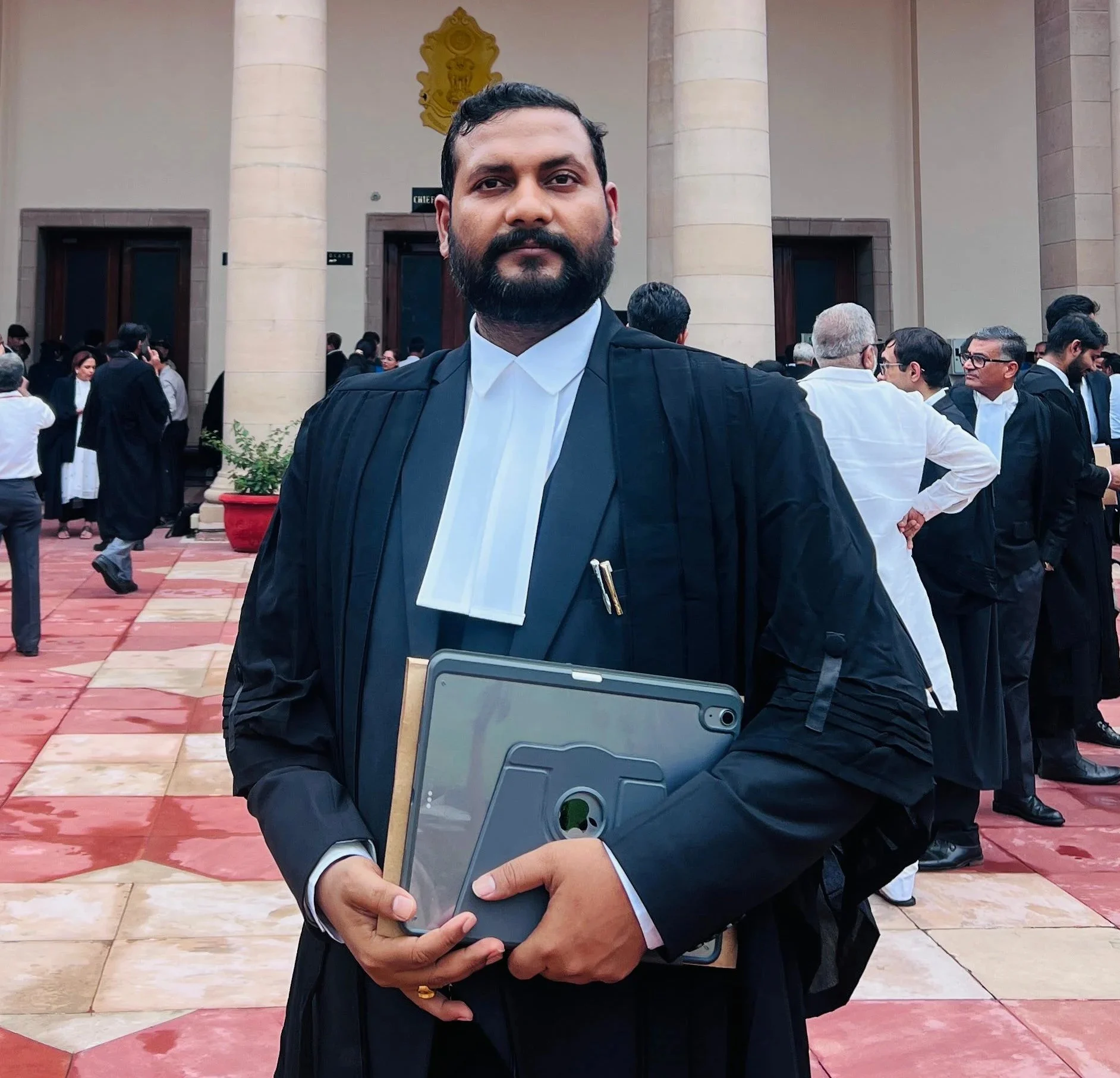
Speak directly with Advocate BK Singh at LEGAL365.
Book Appointment Call NowFree first consultation. Honest legal advice.