Did you know?
Millions of couples have lived apart for many years but remain legally married. That single hole can cause headaches later: remarriage, passport records, property paperwork, child documents, maintenance claims and old family arguments.
In India, mutual consent divorce after long separation is legally safer when two adults agree that their marriage is truly over and start court procedures to dissolve their marriage through decree. Long separation can strengthen your petition but does not, by itself, end your marriage.
Both spouses jointly go to family court, claim that they have been living separately, cannot continue living together and mutually agree to divorce each other. Hindu spouses file under Section 13B of Hindu Marriage Act, 1955. Special Marriage Act divorce is handled through Section 28.
My experience?
Too many people avoid taking divorce because they think, “We have already separated, why trouble the court?” That is a dangerous mentality. Family is nice. Social separation is not legal separation.
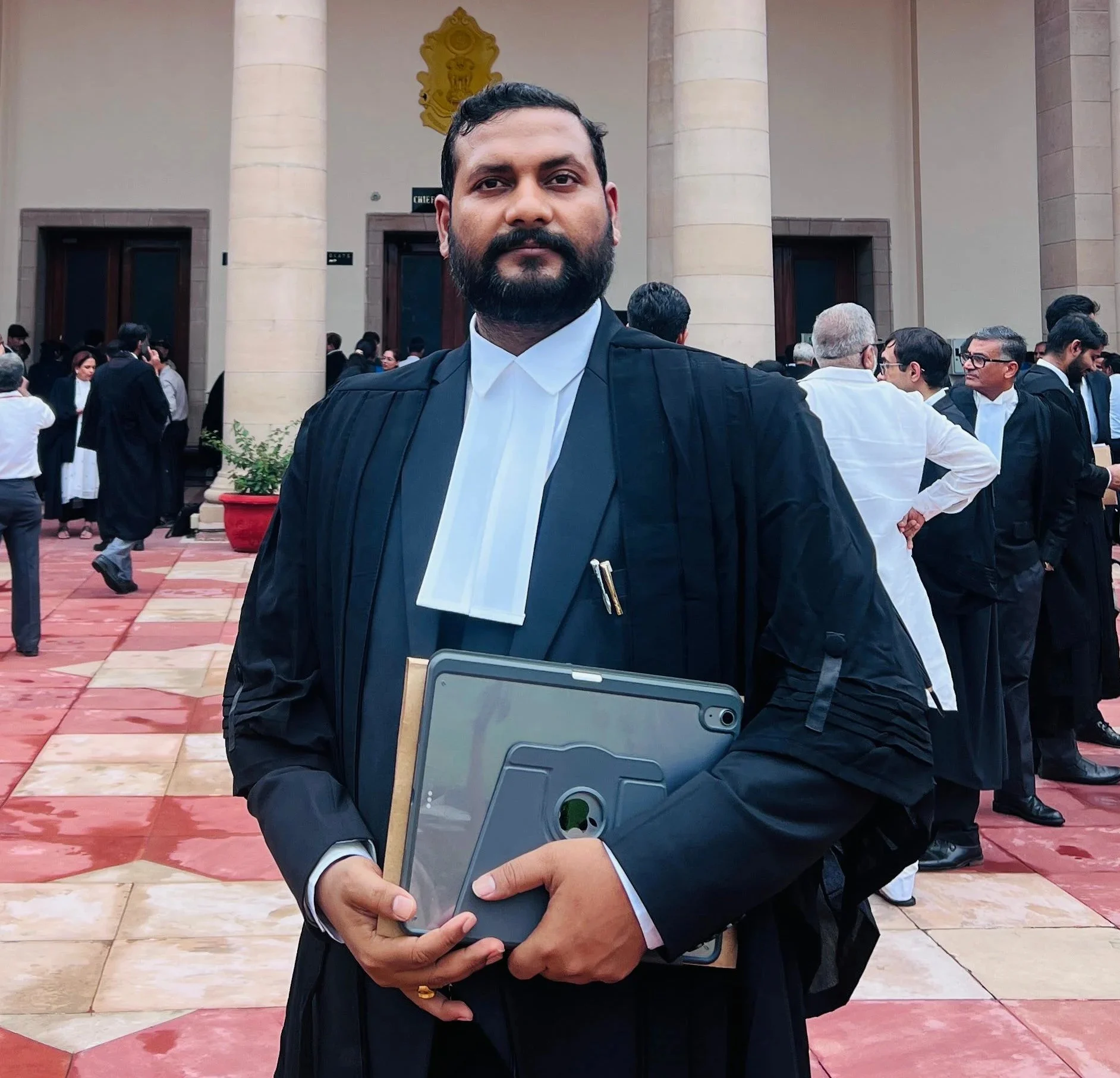
Clients come to Advocate BK Singh saying their spouse left years ago, so shouldn’t divorce be easy? Mutual consent divorce can be quick, but even quick divorces need realistic court strategies if there are unclear terms.
LEGAL365 covers divorce law in India, including divorce by mutual consent, contested divorce, child custody law in India, maintenance laws for wife and divorce support for alimony.
Why Closure?
Long separation is inconvenient, but divorced paperwork is more troublesome. A wife and husband can live separately for 15 years and be treated like a newly married couple under Indian law until they file for divorce.
Clients become practical once they realize the paperwork hassle. “My child wants me to get married.” “I want to apply for passport without being labelled as married.” Divorce doesn’t always need a deep reason.
“It was her decision, but now he is taking money!” Even after long separation, I have seen antagonism erupt from both sides once people decide to divorce. Emotional estrangement does not eliminate legal ties.
Couples in Delhi NCR, Noida, Greater Noida, Ghaziabad, Gurugram, Faridabad, Lucknow, Mumbai, Bengaluru, Hyderabad, Chennai, Kolkata or other cities may suddenly find they need action. They wait too long and react only when life forces their hand.
Key Points: Mutual Consent Divorce after Long Separation in India
| Issue | Legal Position |
|---|---|
| Long separation | Does not automatically grant divorce |
| Mutual divorce for Hindu couples | Usual filed under Section 13B, Hindu Marriage Act |
| Mutual divorce for divorce under Special Marriage Act, 1954 | Usual filed under Section 28 |
| Consent required | Must be continuous until divorce decree is granted |
| Cooling-off period | Can be waived if the court allows |
| Legal settlement | Should deal with money, kids, stridhan and pending cases |
| Divorce decree | Legally required to prove you’re divorced |
Does Long Term Separation Constitute Divorce?
No. Long-term separation does not automatically result in divorce. Legally, India requires a court decree to end a marriage.
Long-term separation proves you two live apart. It does not provide legal evidence the marriage dissolved.
Sometimes clients believe they are divorced because they have lived apart for several years. Courts do not issue divorces on emotions or honesty. They rely on written petitions, evidence and legal terms.
If a spouse remarries without divorce, legal issues arise. Any pending cases can suddenly spring up too. Can your mother-in-law file maintenance after long separation? Technically yes, she can file.
Success of such claims depends on court and facts, but dealing with claims takes time and money nobody needs.
Consider closure while you can agree on terms.
Divorce Law Sections for Mutual Consent Cases
Hindus marry under Hindu Marriage Act, 1955 or personal laws. Section 13B specifically permits divorce by mutual consent.
Couples married under the Special Marriage Act, marry under Section 28 of the Special Marriage Act, 1954.
Christian, Muslim and inter-faith divorces need individual analysis. India has statutes for some cases, but many divorce cases need private judge discretion.
Indian divorce law states the couple must live apart for a minimum of one year before filing for divorce. They must also mutually consent to divorce and cannot change their minds later.
The Supreme Court has clarified couples can request waiver of the cooling-off period if there is no scope for reconciliation and all terms are settled.
Legal review is important. Advocate BK Singh reviews marriage type before speaking about law or accepting documents for drafting.
If you two have children, what happens to custody? If you two have debts or shared property, what will happen to those assets? Financial terms, alimony and Child support should be settled clearly.
Even if you verbally agreed to ignore an ongoing maintenance case, put it in writing. Those conversations matter later if claims reappear.
What Documents To Prepare?
| Document | Why? |
|---|---|
| Marriage certificate / proof of marriage | Proof of marriage and when it happened |
| Identity card | Aadhaar, PAN card, passport or voter ID card establish identity of spouses |
| Address proof | Helps file in proper jurisdiction. Proves residence. |
| Proof of long separation | Letters, rental agreements, old address proofs help show you lived apart. |
| Settlement draft | Divorce terms you both agreed upon. |
| Child documents | Relevant school paperwork if you have children involved. |
| Pending case copies | Help close related disputes with mutual consent divorce. |
| Evidence of payment made or alimony | If alimony was exchanged or one spouse paid money, have proof. |
Can Indians working abroad file mutual consent divorce?
The short answer is yes. Longer answer, it depends on facts.
NRI or foreign divorces need planning. Will you appear personally or via power of attorney? Do your documents need embassy attestation? Can the court allow video calls?
Skilled family lawyers understand court tendencies. Advocate BK Singh knows Delhi Family Courts well.
Common Divorce Mistakes After Long Separation
“Their marriage is over. Court knows we live separately. It should be easy.”
Clients who avoid formal preparation make this mistake. They believe social separation means divorce.
Don’t let divorce frustrate you because you skipped steps.
Final Note on Mutual Consent Divorce after Long Separation in India
Clients ask me, “Why divorce? We have already lived apart for years.” Mutual consent divorce after long separation in India allows couples to end the confusion.
Both spouses know the marriage is over, but never formally filed. Why do it now? Because the future matters too.
You may remarry later. You should not file new marriage documents as a married person. Passport applications, visa paperwork, property documents, nominations and inheritance procedures all become confusing.
Your spouse could also file for maintenance or other legal cases in future. Yes, you may have a good defense. However, defending old claims drains money and time you do not have.
If you have kids, school documents, foreign travel permissions and custody assumptions become stricter.
Joint bank accounts, loans, shared properties and investments also create hardships. Many of these should be legally severed while you have access to consent.
Visit LEGAL365’s page on divorce law in India for related information on mutual consent divorce, contested divorce in India, child custody laws in India, wife maintenance law, alimony laws in India and divorce documentation.
When Should You Contact a Lawyer?
It is wise to seek legal advice whenever you decide to divorce, if your spouse makes settlement demands, if children are involved or if there are money and pending cases.
Women benefit from legal advice before giving up rights to maintenance, residence, stridhan or custody. Men benefit from legal advice before agreeing to pay indefinite payments or weak claims.
Foreign spouses from India should speak sooner rather than later. They need extra time to arrange appearance and document certifications.
Advocate BK Singh reviews each case to understand if divorce is by mutual consent or contested. He also explains what terms need drafting, and what risks need resolution before filing.
LEGAL365’ lawyer services include fact review, finding legal routes, drafting settlement terms, filing mutual consent divorce petitions, organizing documents and representing clients in Family Courts.
Some clients need assistance drafting their petition only. Others need negotiation help on alimony, child custody, custody accessories (damages for wife), stridhan claims and pending cases.
Every client and facts are different. Advocate BK Singh keeps advice practical. He does not aim to make divorce difficult. He helps clients close future dispute angles through careful drafting.
Visit the LEGAL365 homepage to learn about other legal services offered by Advocate BK Singh.
Mutual Consent Divorce FAQ
Q1. Can I file for divorce by mutual consent after 10 years of separation?
Ans. Yes, you can file for divorce even after long separation. Long separation strengthens your divorce petition but both spouses must go to court and provide a valid reason for divorce.
Q2. Does long-term separation qualify as divorce after X number of years in India?
Ans. No, long-term separation does not qualify as divorce in India. You must file for divorce and obtain a decree from family court.
Q3. Can we waive the 6 month period in mutual consent divorce?
Ans. Yes, in some cases. You can request waiver of cooling-off period. Not all courts will grant the waiver. It is up to the judge’s discretion.
Q4. What if my wife change her mind before decree is granted?
Ans. If your spouse withdraws consent before divorce decree is granted, divorce is not guaranteed. She may file for contested divorce instead.
Q5. Is alimony mandatory in mutual consent divorce?
Ans. No. Courts do not force alimony in every divorce case. But if there are children or unfair claims, permanent alimony may be awarded.
Q6. Can I close all pending cases with divorce decree?
Ans. Yes. Divorce decree can be used to solve pending monetary demands. Maintenance, domestic violence and police cases can be added to settlement negotiations.
Q7. As working NRIs, can my spouse and I file for mutual consent divorce in India?
Ans. Yes, you can. But power of attorney, document attestation at Indian embassy, video appearances or physical appearances depend on case facts.
Q8. Do I have to appear in person with my spouse?
Ans. Yes, both spouses should be ready to provide statements. Some courts allow video calling, but appearances are standard.
Q9. Can I just use the divorce draft available online?
Ans. Do not rely on online documents. Terms need to reflect your situation. Family courts in India are particular about claims and provisions.
Q10. Why should I hire Advocate BK Singh?
Ans. Advocate BK Singh can review your circumstances and advise on divorce possibilities. He will also explain what drafting terms you need and what precautions to take before filing.
Closure is key. Delaying divorce after long separation only leaves your life open for future uncertainties. Advocate BK Singh works towards stopping those uncertainties. Final divorce decrees and paperwork give you peace of life. Sort your divorce today while both spouses are on the same page.
Contents are for general information only. Not Legal Advice.