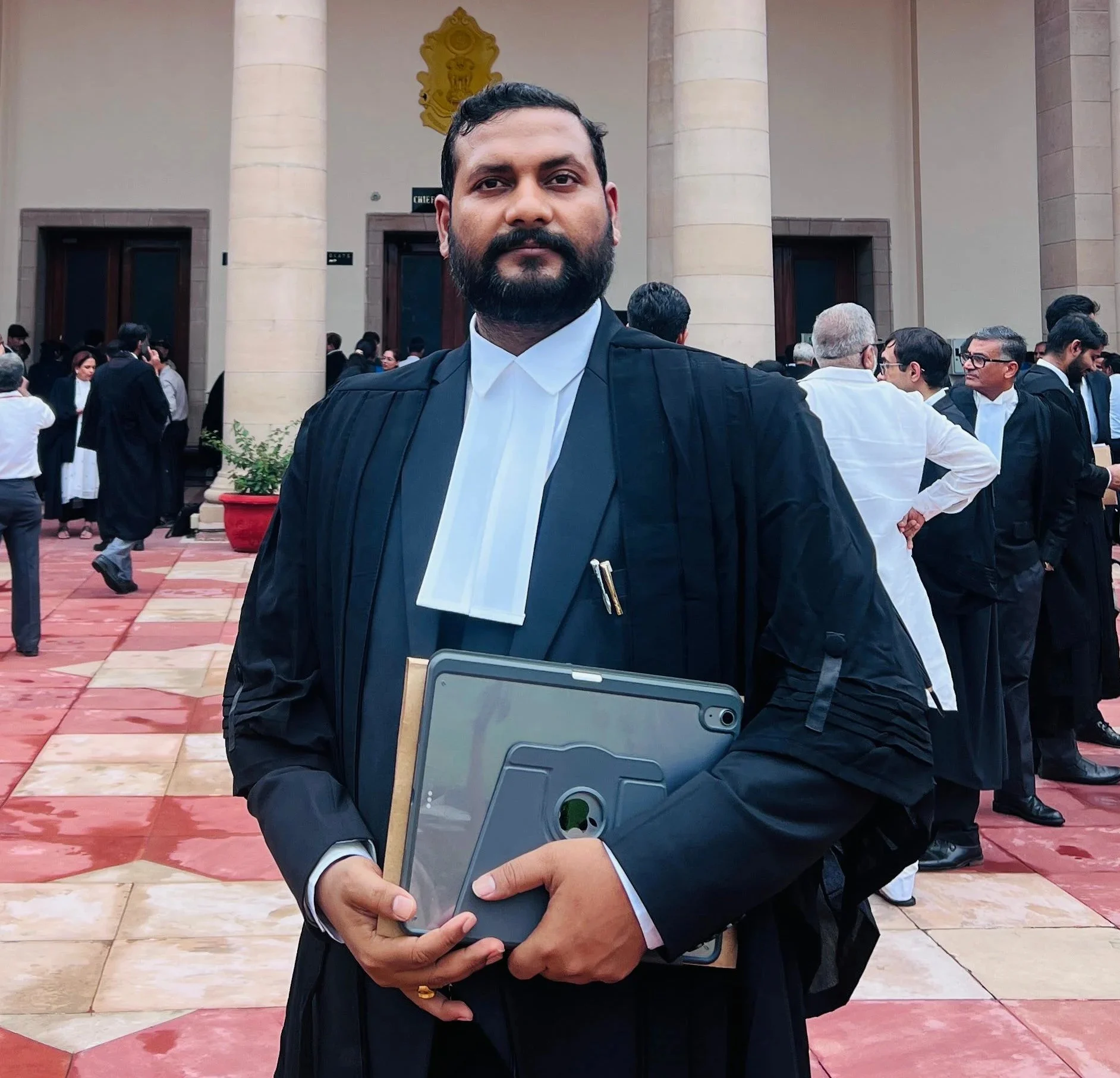
Once a company cheque bounces and drawer directors get named, what steps can help? Under Section 138 of the Negotiable Instruments Act (NI Act) and related laws?
If you want to understand more about legal aspects, defences and strategy regarding company cheque bounce and director liability, you are at the right place. This comprehensive article provides quick insights on timeline, documents and top mistakes directors make while responding to Section 138 notices.
DISCLAIMER: The content on this page has been approved by Advocate BK Singh & Advocate Sadhna Singh for general informational purposes. Readers should not construe this article as definitive legal advice for any particular matter. Reliance should not be placed on content without seeking professional lawyer consultation.
When Do You Need a section 138 lawyer for company director liability?
Bounced cheques issued from business bank accounts quickly become civil disputes. But bounce your company cheque as a director and suddenly you face court summons, reputational worry, complainant pressure, and potential criminal liability under Section 138.
You may need a section 138 lawyer for company director liability if:
- The cheque was issued by the company and signed from a business account.
- You are an authorised signatory of the company chequebook.
- The transaction was for business purposes and directors/managing directors/partners/key company officers are being named in the complaint.
- You thought that the company was incorporated enough to protect your personal liability. In most cheque bounce cases, that is not correct.
Section 138 penalises cheque dishonour when incurred against a legally enforceable debt or liability. Section 141 extends offences by companies and specifies when persons in charge may be vicariously liable along with the incorporated company.
The concern for directors is not whether someone holds the director title. The real question is whether that director was responsible for and in charge of the conduct of business when the cheque was issued and returned by the bank.
Across major cities like Delhi NCR, Mumbai, Bengaluru, Chennai, Kolkata, Ahmedabad, Jaipur, Lucknow, Pune and Hyderabad, we have helped clients understand director liability when suppliers, lenders, promoters and other business counterparties issue cheque bounce complaints.
Advocate BK Singh & Advocate Sadhna Singh help clients understand exposure, draft replies to notice, prepare defence and respond to court proceedings. Our approach to NI Act cases starts with analysis of documents before sending emotional but legally useless replies.
Why can a company cheque create personal risk for directors?
Personal liability occurs when the cheque complaint alleges that the director was responsible for and in charge of company business during the relevant time. Section 141 NI creates a vicarious liability for directors. But it does not make every director guilty of offence automatically.
Understanding this difference is crucial.
In many cases, sleeping directors, independent directors, nominee directors and former directors before cheque issuance may have entirely different defences from what a managing director, whole-time director or authorised cheque signatory would have.
The complaint must typically make specific allegations regarding how the director was involved with the transaction and conduct of the company business.
Ignoring a Section 138 notice from a supplier or client is a common mistake. Business owners, startups and closely held family businesses run risk of getting caught up early.
Client X received a cheque return memo from his supplier. He issued a company cheque to pay an outstanding bill. The cheque was returned. The supplier sent a statutory demand notice but client X assumed it was a simple commercial issue. Later he received court summons from the Magistrate naming company, its directors and the cheque signatory together.
Our clients often call Advocate BK Singh & Advocate Sadhna Singh after receiving summons. Consulting a lawyer sooner helps because the reply to legal notice, board resolution, resignation documents, loan mandate and transaction history can influence defence strategy from the outset.
12 Quick facts on director liability in cheque bounce cases
Here are some quick facts on cheque bounce liability against company directors:
- Section 138 applies when cheque dishonour occurs against legally enforceable debt or liability.
- Section 141 explains offences by companies and where directors/officers can be liable.
- Directors are not liable merely because they are listed as directors in company ROC e-forms.
- Cheque signatories, managing directors and officers who actively control the company face greater practical risk of personal liability.
- Demand notice under Section 138 must be sent within 30 days of receiving cheque return information from bank.
- Drawer of the bounced cheque gets 15 days to make payment from receipt of statutory notice.
- Cheque bounce cases can be settled, compounded or defended based on facts and documents.
- Section 138 creates criminal liability for cheque bounce. Summary trial is usually quick.
- Not every director can be named just because the cheque belonged to a company.
- Bank mandates, cheque signatures and authorised signatories help identify directors at risk.
- Section 138 allows defendable exceptions. Speak to a lawyer if the cheque was post dated.
- The law applies to companies, organisations using cheques for business payments.
What does section 138 lawyer for company director liability mean?
A section 138 lawyer for company director liability represents anyone who receives a cheque dishonour notice or court summons along with the company.
A Section 138 lawyer is involved where a company cheque has resulted in statutory demand notice, a possible criminal complaint against:
- directors;
- company officers;
- persons signing the cheque; or
- persons identified as responsible for managing company’s affairs.
But the role of a lawyer does not stop at making court appearances. Document analysis is required to advise:
- whether the cheque was drawn for a legally enforceable debt;
- if the company was rightly made an accused; and
- whether the named director was in active roles justifying personal notice and liability.
Advocate BK Singh & Advocate Sadhna Singh review company records, board resolutions, transaction history and notices before suggesting next course of action. Often the best defence is not drafting aggressive denial letters. Sometimes it is preparing a clean factual and documental matrix showing no role, no liability, or limitation and willingness to settle.
Which law applies when a director is named in a cheque bounce case?
Delay may not be excused after the notice period. Moreover, a defensive strategy should be based on law and facts from day one.
The main law is NI Act, 18 81. Section 138 creates punishment for cheque dishonour when incurred against debt or liability. Section 141 specifies offences by companies. Section 141 also tells us when persons in charge of company business may face individual liability.
Section 147 NI Act permits compounding of cheque bounce offences.
Recent legislation under Section 143A allows interim compensation to complainant during trial in appropriate cases.
Section 148 NI may apply on the appellate stage if the High Court directs deposit of some amount.
Evidence by way of affidavit is permitted under Section 145 in NI Act matters.
Once a complaint is drafted, the company should ordinarily be included as an accused. Section 141 NI magnifies liability of directors/officers. But that liability arises only because the company allegedly committed offence under Section 138.
Cases where only directors are named and the company is excluded may have a serious legal flaw. If so, it can be challenged on the basis of maintainability.
Company cheque bounce complaints usually start before a Magistrate’s Court. There are mandatory time periods like notice and 15 days to make payment. Once these get triggered and a complaint is filed, court procedure applies.
Clients get summoned to court. Accused persons have to appear or seek exemption through lawyer. Bail is usually a formality at the time of appearance. Court will take plea. Documents can be moved by both sides through application. Evidence is taken. Witnesses are examined and cross-examined.
After the complainant has presented his evidence, the defence is invited to evidence. Arguments are presented. Judgment is written and announced.
Advocate BK Singh & Advocate Sadhna Singh advise directors not to be casual about NI Act summons. Failure to appear as required may lead to warrants, coercive actions and unnecessary complications.
Who should take legal advice before replying or appearing?
When any person receives a statutory demand notice or summons from court alleging cheque bounce against them personally, it is time to speak to lawyer.
Clients including directors often call or meet us after getting legally risky emails, messages or calls threatening police cases and hindering them from conducting business.
Whether you are a director or business owner gets personal when legal notices arrive.
Here is a list of guides posts on specific issues. Feel free to read more about topics that interest you:
- Directors and officers named in business disputes.
- Cheque Signatories can avoid personal liability?
- Role of Guarantee and Arrest in business loan defaults.
- Independent Directors Liability for Company Debts
- Liability of Dormant Directors in India.
- Display of Name and Surname in Indian Courts.
Some directors take advice when it may be too late. Here are some categories of directors who should consult a lawyer sooner:
- Directors of private limited companies when cheques are issued during stress periods.
- Independent directors who were not involved in day-to-day business operations.
- Promoter directors or key officials who signed the bounced cheque.
- Former directors of a company whose resignation occurred before cheque issuance by the company.
- Directors who are merely authorised signatories of the company bank account.
Complaintants also require advice on notices and pleadings if they are suppliers, lenders or vendors. Poorly drafted legal notices weaken an otherwise good recovery case.
The complaint should identify the transaction, specify cheque details, mention dishonour and return memo. It should correctly state service of notice and involve accused persons appropriately based on facts.
Clients from Delhi, New Delhi, Ghaziabad, Noida, Greater Noida, Gurugram, Faridabad, Meerut, Lucknow, Jaipur, Mumbai, Pune, Bengaluru and Hyderabad meet Advocate BK Singh & Advocate Sadhna Singh for legal advice and guidance on both complainant side and accused side Section 138 cheque matters.
How should a director respond after receiving a Section 138 notice?
Preserve Evidence: Don’t delete emails or throw the notice away. Keep the envelope, cheque details, bank memo, invoice trail and contemporaneous company records secure.
Don’t Reply Immediately: A hurried or panicked reply without analysing your legal position may create damaging admissions.
Don’t say nothing: Ignoring the notice may also cause issues later. Instead, respond by asking questions.
Isolate Key Facts. Respond to allegations pointwise. Was the director involved with the company at the material time? Does the company admit the debt? Is cheque issuance itself disputed? Was payment made? Are there defects in goods/services? Was cheque issued as security?
Review company records before making statements about company indebtedness, liability or payment.
Don’t make unilateral statements without board authorisation. Don’t make promises without authority.
Where guilt is admitted, express willingness to settle lawfully without prejudice.
Where denial is required, don’t feel compelled to send long paragraphs full of unsubstantiated allegations.
Process from legal notice to court defence
The process begins when a cheque issued by drawer is dishonoured by the bank. Following are the typical steps from notice to court defence in NI Act matters.
Cheque Dishonoured by Bank: Bank returns the cheque with a memo specifying reason for dishonour.
Notice Sent by Payee: The payee of cheque sends statutory demand notice to drawer within 30 days from bank.
Payment Made to Avoid Notice: Drawer has the opportunity to make payment within 15 days of receipt of notice.
Failure to make payment creates cause of action and the complaint can be filed by payee.
Court Summons: Accused persons are summoned to appear before court on a date mentioned in summons paper.
Court Record Plea and bail: Accused must appear as directed or seek proper exemption through counsel. Bail is granted. Court may record plea and ask parties to file written statements or applications.
Evidence is recorded: Complainant is given the opportunity to produce evidence. He may produce documentary evidence and place witnesses before court for examination.
Cross Examination: Witnesses are cross examined by accused person. Defence evidence can be placed.
Arguments: Following evidence stage, lawyers argue the case before court.
Judgment: Court may later pronounce judgment.
Advocate BK Singh & Advocate Sadhna Singh recommend reviewing the date of notice, proof of service and expiry of the 15 day statutory payment window before replying. Take it step by step and don’t let panic dictate your next action.
Documents a director should arrange immediately
Collect Evidence: Defence starts with gathering relevant documents. Oral assertions are no defence in court. Documentary evidence will decide merits.
Company Documents: Every director should immediately begin tracing company records that establish who was responsible for conduct of business when cheque was issued.
These documents include:
- company master data and appointment letter;
- signed resignation and ROC filing documents for former directors;
- board resolutions; and
- bank mandate authorising signatories.
Signed Cheque and Bank Memo: Direct involvement may be proved by the cheque itself and bank memo. Did the director sign the cheque?
Supporting Documents: Supporting documents for the liability may include invoices, ledger entries, contracts and emails.
DIR-12 or signed resignation: Look out for DIR-12 for recent directors who have resigned. For former directors, certified resignation letter and company correspondence can help.
Emails and chats may also help show a timeline of when the director left and what discussions were held around that time.
Additional Documents: Where cheque was given as security, find out the agreement and correspondence referring to the same.
Client Story. Mr Raj quit as director but his name remained in the bank account. He received a legal notice for a cheque bounce when he was no longer associated with the company.
Lawyer examined his resignation documents and board resolutions confirming cease of authority as of a specific date. Notice was successfully challenged on these grounds.
What timelines can change the case outcome?
Timelines matter in Section 138 cases. Notice must be sent within 30 days of cheque return information. Drawer gets 15 days to make payment from receipt of notice.
If these deadlines are not met by either party, it can alter case outcome significantly.
Missing legal deadlines can harm any party whether a complainant starting a cheque case or director ignoring a notice.
Companies and directors ignore important deadlines at their peril. Courts may not excuse delay after the statutory period for sending notice or making payment.
Notice and Payment Timelines:
- Notice must be issued within 30 days of receiving information from bank.
- Drawer gets 15 days to pay after receiving notice.
Courts in Delhi NCR may take longer to list cases than say Mumbai, Pune or Bengaluru. Cheque cases in Kolkata, Chennai and Ahmedabad face their own listing challenges. Practice varies from city to city and Indian state to state.
Appearing before court takes time. Online case filing is faster in some places compared to where courts require physical filing. Facts differ but Advocate BK Singh & Advocate Sadhna Singh recommend treating first 45 days after cheque return as critical. Payment, settlement, court case or working on defence will be decided in that window.
What mistakes do directors commonly make?
Ignorimg Notice or Complaint: Some directors wait till they receive court summons. The director may even ignore the summons in hopes that court will go away. It doesn’t.
Becuase the cheque was a company cheque, I will not receive summons: Another common mistake is assuming that court summons will only be against the company. Section 141 clearly allows directors to be named alongside the company.
Replying without Legal Advice: Emotional and panic replies are another mistake. Some directors reply admitting the transaction happened. They promise to pay because they had temporary cash-flow problems. They do not reserve legal rights or raise preliminary issues in the reply.
Wrong Documents: Directors also come to us without key documents that prove or show they weren’t involved with company when the offence was committed. Maybe they ignored their resignation. Or, they do not have board meeting minutes that brought them on board. They fail to realise bank mandates place liability too.
What complainants should avoid doing:
Naming every director: Experienced lawyers know every director cannot be named just because the person held that position at company ROC records. Role must be alleged.
Skipping the company as accused: Some complaints do not make the company an accused. This is a legal mistake. Because liability of directors is interpreted through the lens of company offence.
Cheque copy not mentioned: Cheque copy is essential document. Some complainants write long complaints but do not mention cheque copy. Courts may dismiss those cases as non maintainable.
Ignoring limitation: Section 138 has a prescribed limitation. Debt must exist when cheque is presented.
Delaying compromise: When both sides want to settle, acting quickly helps. Don’t delay hoping the other side calls.
The guide on accused-side representation is actionable. Advocate BK Singh & Advocate Sadhna Singh help directors avoid these mistakes before pleadings, evidence and legal arguments become harder to undo in court.
What happens if a director ignores summons or notice?
Summary Trial Prosecution: Ignoring a statutory demand notice under Section 138 may cause complainant to file a cheque bounce case.
Non-Appearance in Court: Ignoring court summons may result in warrants and adverse orders from court. These issues extend beyond just a lawyer.
Bank Loans and Financing: Directors forget that banking relationships are affected when there is an ongoing criminal case.
Impact on Business: Directors owe duty to suppliers, employees and shareholders. Damaging credibility is not good for business.
Director may later ask bank for loan but stressed about pending cheque case. Loan gets rejected. Never ignore the issue.
Clients are more than welcome to call or meet us to understand whether settling, contesting or ignoring the case is better for them. No two cases will be identical but ignoring is almost never advisable.
When is lawyer consultation urgent?
A lawyer consultation becomes urgent when:
- You receive a Section 138 notice naming you and company personally;
- You receive court summons; or
- You receive bail cancellation and warrant for arrest.
Court issues bailable and non-bailable warrants in serious cases. High arrest risk is suggested when the drawer ignores a legal notice voluntarily or disputes liability.
Warrants can be contested but are avoided by taking legal advice sooner.
Urgency also depends on the cheque amount, number of cheques issued, names of directors sued, financial condition of the company, resignation date and profile of complainant.
A complainant should consult lawyer before sending Section 138 notice where the cheque drawer is a company. Accused details, correct legal allegations and compliance with statutory requirements must be drafted carefully.
How can Legal365 help in director liability cheque bounce matters?
Lawyers in India can provide general advice on cheque bounce matters.
Clients can meet or call Advocate BK Singh & Advocate Sadhna Singh to discuss their specific case merit and details over phone or video. Do not rely on this article to make decisions about your legal issue.
Please use our support section if you need help contacting the lawyers or have general enquiries about how we can assist you.
LEGAL365 focuses on reducing client risk by preventing procedural mistakes early on. This includes reviewing notice for compliance, sending client friendly legal replies, and avoiding court through pre-complaint settlement or meditation.
Legal365 has handled many cases like yours. Contact our office or take a free first step by reading lawyer reviewed articles on the top cheat dispute website in India.
Hiring the right lawyer depends on your needs and facts. Advocate BK Singh & Advocate Sadhna Singh aim to keep it simple.
Fee structures vary but are reasonable and transparent. Details on how legal fees work in India can be read here. Legal365 attempts to keep court appearances and Lawyers fees to a minimum without sacrificing quality representation.
For legal readers and students, we have more extensive posts on the law and procedural aspects. Following are links to related posts:
- Does drawer have to prove absence of debt in NI Act cases?
- Admissions in cheque bounce replies and their effects.
- Display of Photograph in criminal cases against directors.
- Can Cheque Signatories avoid liability in NI Act cases?
- Dissolution of partnership after cheque issuance.
Frequently Asked Questions
Q1. Can every director be made liable for a company cheque bounce?
No. Just because your company cheque got dishonoured does not mean every director of the company can be named in a complaint. The cheque bounce complaint must detail how the director was responsible for and in charge of company business at relevant times.
Q2. Is the cheque signatory always responsible under Section 138?
A cheque signatory faces higher risk under Section 138 because they signed the cheque. But the case will always turn on specific facts. Did the cheque relate to a legally enforceable liability? Was notice served in time? Was cheque presented?
Q3. What if I resigned before the cheque was issued?
You may have a complete defence if you resigned before the cheque was issued by the company. Speak to a lawyer sooner. Proof becomes difficult if you wait till trial to produce documents proving you were no longer a director.
Q4. Can an independent director be prosecuted in a cheque bounce case?
If the complaint properly alleges role of the independent director in managing company affairs during transaction, yes.
Q5. Can Section 138 cases be settled after filing?
Yes they can. Section 147 NI allows compounding of offences where court permits. Reach out to lawyers sooner to start discussing a possible settlement.
Q6. What should a director do after receiving a legal notice?
Directors should read this entire blog. Learn about potential consequences, common defences and strategy.
Collect documents showing who was in charge of company business at material times. These include resignation letters, board resolutions, appointment letters and company ledgers.
Caution: Do not email your lawyer the cheque if it is still in your possession.
Call or meet a lawyer without jeopardising your position. Only pay legal fees if you are sure about who you have retained. Avoid sharing confidential information with multiple lawyers.
Q7. Is a security cheque covered under Section 138?
If a legally enforceable debt existed on the date of cheque presentation, security cheques may lead to liability under Section 138.
If there was no debt against which cheque was presented or the cheque was misused contrary to agreement, that may become a defence.
Facts and documents will be important in deciding specific legal rights.
Q8. Can the company alone be prosecuted without directors?
Companies can be sued under Section 138. Directors cannot be named alone without pleading conditions in Section 141 adequately.
Q9. What is the role of the legal notice in director liability?
Ignoring the notice may be convenient in short term. But the cheque bounce complaint will mention facts from notice. If defendable, courts take notice of delay. Replies should be sent using practical language without tipping off the other side.
Q10. Can a director seek quashing of a cheque bounce complaint?
If there are legal defects in the complaint that can be proven on face of document, director can ask lawyer to file quashing petition. Quashing is discretionary but feasible in certain cases. Advocate BK Singh & Advocate Sadhna Singh analyse case merit when clients meet for consultation.
Q11. Does payment after notice end the case automatically?
Yes. If cheque drawer makes payment within 15 days of receipt of notice, case under Section 138 can be avoided for that cheque. Legal liability does not arise.
Payment after complaint can still help settle or compound the matter but court recording will be necessary.
Q12. Which court handles company cheque bounce cases?
City practices differ. In Delhi NCR, magistrate courts hear cheque bounce matters. Every state and city in India has courts who follow NI Act for jurisdiction. Seek lawyer advice if uncertain.
Q13. Can directors be arrested in Section 138 cases?
Optimal strategy is to avoid getting to that stage. Cheque bounce begins with complaint before magistrate. Arrest is not the first step in the process. But avoid defaulting on summons or warrants will be issued.
Directors should learn how to properly defend themselves in court from start.
Q14. How can complainants strengthen a case against company directors?
Include facts in notice and complaint regarding role of director.
Don’t forget to name company as accused in your cheque bounce complaint.
Gathering proof helps avoid court objections. Ignoring key details like company name, cheque numbers and incorrect allegations may end up costing the case later.
Q15. Why consult Advocate BK Singh & Advocate Sadhna Singh for this issue?
As lawyers who advise both complainants and directors, we assist with NI Act notices, settlement agreements, court advocacy and documents review. Speak to us to learn how Legal365 can help in your unique business situation.
Final thoughts
Company cheques bounce when payments aren’t processed. But once you become named personally as a company director in a cheque bounce case, it stops being a simple reminder to pay up.
Cheque bounce is a criminal proceeding with potential consequences on liberty, employment, reputation and personal assets.
Do not wait until court summons arrive to contact a lawyer. Do your part by understanding immediate steps after receiving notice. Then decide whether to pay, settle, contest, negotiate, seek compounding or prepare for court defence.
Advocate BK Singh & Advocate Sadhna Singh support clients nationwide with Section 138 company cheque matters using document based legal solutions. Do not panic, do not ignore notices, and always try to understand legal ramifications before replying.
PrevCheque bounce: Timing of payment against legal notice
Can Cheque Signatories avoid liability in NI Act cases?Next
Show Comment
Disclaimer
The articles/complaint are for general information purpose only and not meant to be considered a legal advice or a comprehensive analysis about client’s issue. The articles are not verified by way of any supervisory editorial process. While utmost care has been taken in preparing this information, we do not guarantee that this information is complete and upto date. Readers should not act upon information provided on this site without first seeking professional counsel. Lawyers are not responsible for any action taken or not taken on the basis of this information. For a more comprehensive analysis of your legal position, please consult the lawyer directly.