📞 Free Consultation — +91-935-521-5699  |  info@legal365.co.in
Mon–Sat 9am–7pm|Book Now →
HomeServicesHigh Court Lawyer
LEGAL365 · Advocate BK Singh · legal365.co.in
High Court Lawyer in Delhi & Across India

LEGAL365, led by Advocate BK Singh, provides expert high court lawyer services across India. 19+ years of practice. Free first consultation at legal365.co.in

Experienced High Court Lawyer in DELHI & Across India -Advocate BK Singh

LEGAL365 is owned and run by Advocate BK Singh. Our high court lawyer services cover Delhi & all major cities in India. Advocate BK Singh has practiced law for over 15 years appearing before Delhi district courts, Delhi High Court, and the Supreme Court of India. Advocate BK Singh personally provides focused attention to each and every high court lawyer issue at LEGAL365.

At LEGAL365, when you meet with our high court lawyer you will meet Advocate BK Singh in person -the advocate who founded LEGAL365, not a junior lawyer or paralegal. We read your papers. We listen to you. We assess your situation honestly. And Advocate BK Singh will tell you upfront about your legal options -even if the answer is not what you want to hear.

There is no charge for the first consultation regarding any high court lawyer matter at LEGAL365 and there is no obligation to continue with LEGAL365. Advocate BK Singh will assess your facts, explain the applicable law, and give you a realistic honest assessment about where you stand legally. You'll know where you stand with LEGAL365 after your first consultation…period.

"I personally handle every high court lawyer case at LEGAL365 from start to finish. Once I take your case, I do not give it to anyone else to handle. And if I don't think we can win your case, I will tell you that. Straight."
Advocate BK SinghFounder, LEGAL365 · legal365.co.in

HIGH COURT LAWYER SERVICES | LEGAL365 — Advocate BK Singh

LEGAL365 and Advocate BK Singh offer high court lawyer services for any and all issues that your matter may involve in this area of practice. At LEGAL365, no two matters are handled the same way. Your legal matter is evaluated based on the facts, the court/tribunal, the applicable law and your realistic goals.

Legal strategy, filing approach, evidence required, and timing are determined based on the actual facts of your specific matter at LEGAL365.

  • Representations before all courts and tribunals in India for high court lawyer matters
  • Case strategy and assessment begin with the first meeting with Advocate BK Singh
  • Preparing, drafting and filing of all required documentation and petitions at LEGAL365
  • Negotiation and resolution, when appropriate, for high court lawyer matters
  • Filing for interim relief to seek immediate protection from the court
  • Appeals & revisions to the Delhi High Court and India’s Supreme Court
  • Court order enforcement and contempt filings for non-compliance with court orders
  • Evaluating the potential for settlement at any point during the LEGAL365

We don't just show up for your court date. Your high court lawyer case is managed throughout the entire proceedings at LEGAL365. Active case management is what our clients have repeatedly told us sets LEGAL365 apart from other law firms.

LEGAL365's Approach to High Court Lawyer Matters -How Advocate BK Singh Works

LEGAL365′s guarantee with every engagement of High court Lawyer starts with an honest assessment. Advocate BK Singh will review the facts of your case, pinpoint strengths and weaknesses, and provide realistic assessments of probable results and timing. Sometimes that requires telling clients things they may not want to hear—and delivering that honesty repeatedly, even when telling them what they want to hear might be easier.

Once you have received the honest assessment of your matter, LEGAL365 builds out the complete strategy for your High court lawyer matter. That includes: determining which courts or tribunals have jurisdiction; evaluating what evidence exists and what additional evidence must be collected; evaluating the legal arguments likely to have the most impact; assessing the likelihood and desirability of settlement at this stage; and mapping out the strategic combination of applications and hearings to reach the best outcome in the shortest amount of time.

LEGAL365′s Advocate BK Singh will stay throughout the entire High court lawyer proceedings directly available to you. Phones are answered. You will receive updates after critical developments occur—such as a hearing result or order, or receipt of an important letter. We review strategy at key points and make alterations as needed. You never feel out of the loop with LEGAL365.

LEGAL365′s Honest Fees

Fee structures for High court lawyer matters are discussed and agreed to before LEGAL365 begins any work. There are no surprises halfway through your matter. Every fee is discussed upfront. If you have questions about the likely range of a fee before you commit to having LEGAL365 work on your matter, ask. You get a free initial consultation with Advocate BK Singh and you will receive an honest answer.

“We believe transparency is important in everything we do. From the legal evaluation of your case, to the honest assessment of probable results, to the timing, to the fees. Clients can make better decisions when they have the right information from the start.” ― Advocate BK Singh, LEGAL365, legal365.co.in

Courts and Tribunals Where High Court Lawyer Matters Are Heard

LEGAL365 and Advocate BK Singh actively practice in front of the courts and tribunals that hear high court lawyer matters in Delhi and throughout India. These forums will vary depending upon the type of matter, amounts in controversy, parties, and stage of dispute.

  • Delhi District Courts - civil courts, family courts, Sessions Courts, Magistrate courts
  • Delhi High Court - writ petitions under Article 226, criminal appeals, civil revisions, first appeals
  • Supreme Court of India - Special Leave Petitions, constitutional matters, transfer petitions
  • National Consumer Disputes Redressal Commission (NCDRC) - high value consumer disputes
  • National Company Law Tribunal (NCLT) and NCLAT - corporate insolvency and company law matters
  • Debt Recovery Tribunal (DRT) and DRAT - banking and loan recovery matters
  • National Green Tribunal (NGT) - environmental/pollution law matters
  • RERA Authority (Delhi, UP RERA, HRERA etc.) - real estate/builders vs buyer disputes

LEGAL365 handles high court lawyer matters in courts outside of Delhi through strategic advisory or by working with our professional network of specialist advocates across India. We handle High Court and Supreme Court matters (including constitutional matters) in any jurisdiction directly through Advocate BK Singh at LEGAL365 regardless of where our clients are located. Please visit legal365.co.in to learn more.

About Advocate BK Singh -LEGAL365 Founder

Advocate BK Singh founded LEGAL365 on one principle: People who have a legal problem deserve a lawyer who listens to them, tells them the truth, and fights for them. Not a law firm that takes your retainer and lets you sit for months. Not an attorney's office where the “senior” advocate never hears from you after your initial consultation.

BK Singh has spent the past 19+ years actively practicing law in Delhi -from district courts all the way to Supreme Court of India. He has personally worked on thousands of cases spanning 25 different practice areas at LEGAL365. When it comes to handling high court lawyer matters in particular, Advocate BK Singh has experience in all kinds of cases in this domain ranging from simple legal advice to complex litigation that spans multiple years and appearances in the Supreme Court.

The most common feedback we hear about Advocate BK Singh from clients at LEGAL365 isn't about his expertise in law -it's about his straightforwardness. He tells clients the truth. From day one. He will tell you what can be done, explain the risks, and advise you on what will happen instead of trying to sell you on the best possible outcome. In a field where over-promising has become the norm, that honesty has set LEGAL365 apart.

  • Lawyer with Bar Council of Delhi − 19+ years active law practice
  • Regularly appears before Delhi district courts, Delhi High Court, Supreme Court
  • Enrolled lawyer before DRT, NCLT, NGT, NCDRC and RERA Authority
  • Founder and Principal Advocate at LEGAL365 -legal365.co.in
  • Has worked on 5000+ legal cases spanning 25 different practice areas at LEGAL365
  • Famous for clear communication, being well prepared and his honest advice to clients

Read more about Advocate BK Singh at legal365.co.in/advocate-bk-singh

Why choose LEGAL365 for High Court Lawyer ? The LEGAL365 Advantage

There are numerous lawyers and law firms providing high court lawyer services in Delhi. We think that sets LEGAL365 apart is having direct access to a seasoned senior advocate who specializes in only specific areas of law and being honest about your chances from the very first consultation, charging transparent fees, and following up on your matter until its resolved.

  • Speak to Advocate BK Singh directly -we don't use juniors or legal assistants at any point
  • We've built up specialist high court lawyer expertise from 19+ years at LEGAL365
  • We are honest from the start -even if the news is not what you want to hear
  • We proactively manage cases -every step is prepared for, not just hearings
  • All fees are clear and agreed to before any work starts -no hidden charges at LEGAL365
  • We have pan India network of lawyers -Delhi courts, HC, SC and all state networks
  • Your first consultation with Advocate BK Singh is free at LEGAL365
  • Reach us easily at legal365.co.in or +91-935-521-5699

Free consultation at LEGAL365 means exactly that -there is no catch. We will review your high court lawyer matter, walk you through the law, your options and provide a realistic view on likely outcomes and timelines before you decide on engaging LEGAL365. By the end of your first consultation with us, you will have a legal roadmap -whether you hire LEGAL365 or not.

"I offer free first consultations because I want every person with a legal issue to have access to legal advice. No one should avoid seeking advice because they are worried about paying for that first consultation." - Advocate BK Singh, LEGAL365 legal365.co.in

LEGAL365 -HANDLING OF HIGH COURT LAWYER MATTERS Process

Step 1 -Free Consultation

Our Advocate BK Singh reviews your facts, documents and circumstances in your free first consultation. You will receive an honest legal evaluation from Advocate BK Singh which will cover the applicable law, your realistic options, likely timeline, evidence you'll need to gather, and probable range of outcomes. There are no strings attached.

Step 2 -Engagement & Strategy

Upon engagement, Advocate BK Singh will prepare the strategy for your high court lawyer matter. There will be complete transparency regarding fees before any work is started. Advocate BK Singh will explain the strategy, timeline, and costs at the outset.

Step 3 -Filing & Initial Matters

LEGAL365 will prepare and file all required documents and applications on your behalf with precision. Applications for interim relief will be filed without delay if your situation requires urgent court protection. Advocate BK Singh will attend in person at the first hearing and all critical hearing dates.

Step 4 -We Manage Matters Actively

LEGAL365 will not just ‘turn up' at scheduled hearing dates. Advocate BK Singh will actively manage your high court lawyer matter from start to finish -appearing at hearings, keeping track of orders, filing applications as required, advising on tactical shifts, and keeping you updated throughout.

Step 5 -Resolution / Enforcement

LEGAL365 will advise on any necessary enforcement or follow-up actions after your matter has been resolved. If the other party doesn't comply with court orders, we will take further action (such as filing contempt applications) quickly on your behalf. Matters at LEGAL365 are handled until proper resolution.

Contact LEGAL365 at +91-935-521-5699 or info@legal365.co.in or legal365.co.in to schedule your free consultation with Advocate BK Singh.

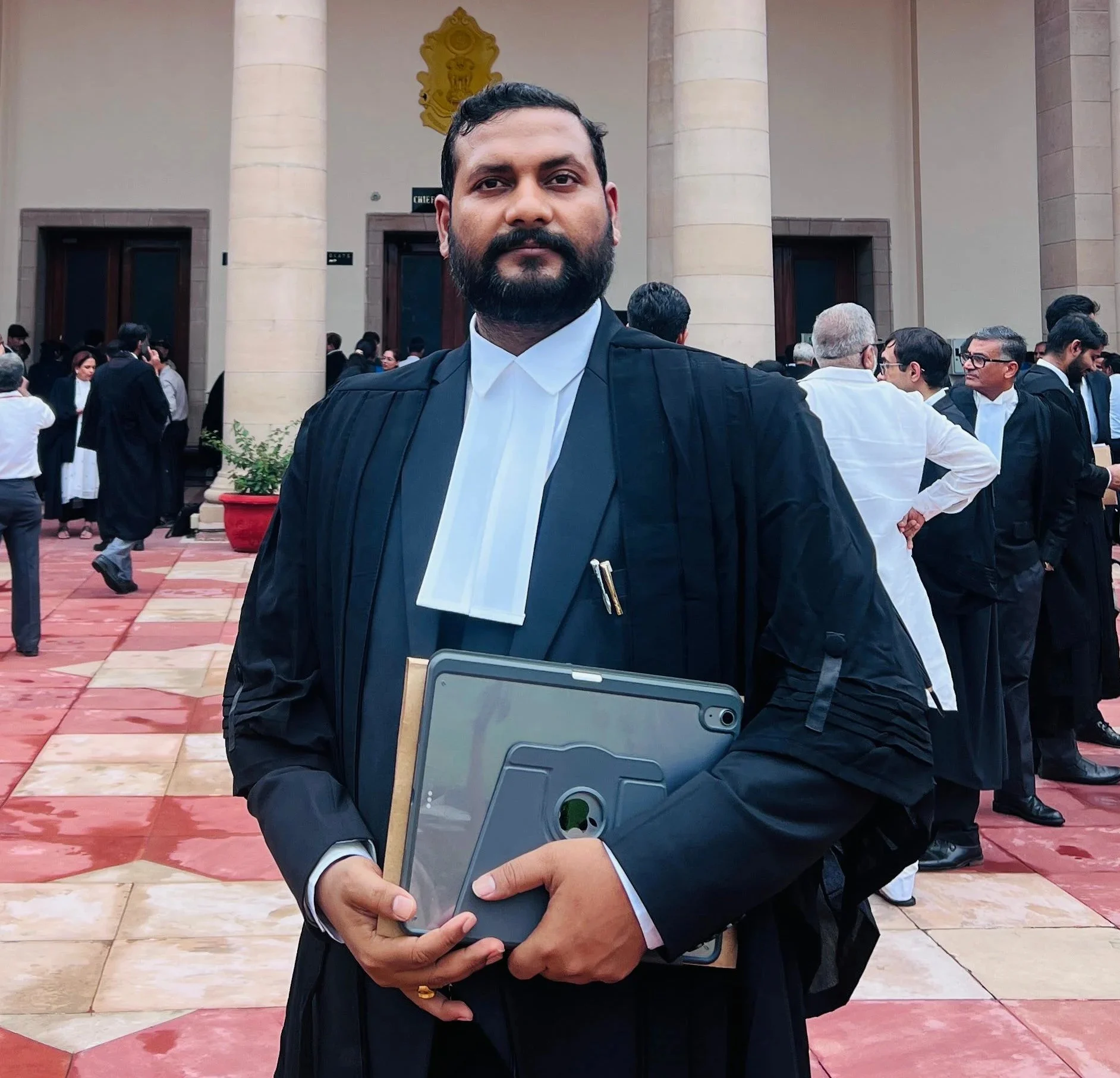
Adv. BK Singh

Adv. BK Singh

View Profile

We have the experience and the expertise and the focus on delivering successful outcomes. We appear before the Supreme Court, High Courts and Tribunals.

Connect on LinkedIn
Free Legal Consultation

Speak directly with Advocate BK Singh at LEGAL365. First consultation is free -no commitment, no obligation at all.

Book Appointment → Call Now
BK
Advocate BK Singh
Founder, LEGAL365 · 19+ yrs · legal365.co.in
Quick Facts -LEGAL365
Service: High Court Lawyer
Experience: 19+ Years
Courts: District, HC, SC
Coverage: Pan-India
Consultation: Free First Meeting
Frequently Asked Questions

High Court Lawyer -25 Questions Answered

Clear answers to frequently asked questions about High Court writ petitions, appeals, bail, revisions, interim relief, contempt and case filing by Advocate BK Singh at LEGAL365.

Ans. Consult a High Court lawyer after receiving an adverse order, writ notice, appeal notice, contempt notice, bail rejection, or an urgent direction requiring compliance. Early review is important because High Court matters may involve short limitation periods, certified copies, specialised pleadings, court-fee requirements, electronic filing, and interim-relief applications. Share the complete lower-court or tribunal record and all relevant dates.
Ans. A High Court may hear constitutional writ petitions, civil and criminal appeals, revisions, bail matters, petitions challenging tribunal or government action, arbitration matters, company and commercial proceedings where assigned, contempt cases, public-interest litigation, and other proceedings permitted by the Constitution or statute. The correct jurisdiction depends on the order challenged, subject matter, territory, valuation, and available alternative remedy.
Ans. Bring the challenged judgment or order, certified copy if available, pleadings filed before the lower court or authority, evidence and annexures, interim orders, notices, correspondence, case-status records, and a date-wise chronology. For criminal matters, also bring the FIR, charge sheet, bail orders, custody details, and medical records where relevant. Missing documents can delay accurate advice and filing.
Ans. Article 226 empowers a High Court to issue appropriate writs, directions, and orders for enforcement of fundamental rights and for other legally recognised purposes. A writ petition commonly challenges unlawful government, statutory, tribunal, or public-authority action. It is discretionary and may be refused where facts are seriously disputed, an effective alternative remedy exists, or the petitioner has delayed without adequate explanation.
Ans. Article 226 concerns the High Court’s power to issue writs, directions, and orders. Article 227 gives the High Court supervisory authority over courts and tribunals within its territorial jurisdiction. A petition under Article 227 is not a routine appeal and normally focuses on jurisdictional error, grave procedural irregularity, or manifest injustice rather than a complete rehearing of facts.
Ans. The recognised writs include habeas corpus, mandamus, certiorari, prohibition, and quo warranto. Their use depends on the right asserted and the authority or action challenged. For example, habeas corpus concerns unlawful detention, while mandamus may seek performance of a public duty. Merely naming a writ is insufficient; the petition must establish jurisdiction, legal right, breach, and appropriate relief.
Ans. Public Interest Litigation is intended to address genuine public injury, constitutional concern, or harm affecting a class of persons who may be unable to approach the court effectively. It should not be used to settle personal, property, business, service, political, or publicity-driven disputes. A petition lacking bona fide public interest may be dismissed and may attract costs.
Ans. Not merely because a party lives near Delhi. Noida and Ghaziabad fall within Uttar Pradesh, while Gurugram and Faridabad fall within Haryana. Their ordinary local court and High Court jurisdictions are different from Delhi. The Delhi High Court may have jurisdiction only where the applicable law and facts establish a sufficient territorial connection, such as the relevant authority, order, or cause of action arising within Delhi.
Ans. An appeal is a statutory challenge that may permit reconsideration of law and, depending on the proceeding, facts. Revision is a narrower supervisory remedy available only where the governing law permits it. A writ petition addresses constitutional, jurisdictional, public-law, or serious procedural illegality. The correct remedy depends on the challenged order, statute, forum, limitation, and relief requested.
Ans. A High Court may grant interim protection where the petition is maintainable and the applicant establishes a prima facie case, urgency, balance of convenience, and risk of serious prejudice. Filing a petition does not automatically stay the challenged order. A specific interim application should identify the immediate threat, supporting documents, and exact temporary relief required.
Ans. Urgent listing depends on the court’s current practice directions, filing status, nature of urgency, and available judicial roster. The petition and interim application should clearly mention the critical date and consequences of delay. Registry defects should be cured promptly. Merely describing a matter as urgent does not guarantee same-day listing or relief; the request remains subject to court procedure and discretion.
Ans. A High Court may consider regular bail, anticipatory bail, suspension of sentence, or related criminal relief where the applicable criminal procedure permits. The court may examine the accusation, evidence, custody period, investigation status, criminal history, flight risk, witness influence, medical circumstances, and special statutory restrictions. Bail is discretionary and depends on the facts and governing offence.
Ans. A High Court may quash an FIR, complaint, charge sheet, or criminal proceeding in appropriate cases using its constitutional or inherent jurisdiction. This power is exercised cautiously, such as where the allegations do not disclose an offence, proceedings are legally barred, or continuation would amount to abuse of process. The court ordinarily does not conduct a full criminal trial while deciding quashing.
Ans. Some District Court judgments and orders are appealable to the High Court, while others may be challenged before a different appellate court or only through a limited revision or supervisory remedy. The right of appeal is created by statute and is not available against every order. The nature of the case, valuation, finality, governing law, and limitation period must be checked.
Ans. A second appeal in a civil matter is not a complete third hearing of the case. It is generally maintainable only when the case involves a substantial question of law as required by the governing procedural law. The memorandum must formulate the proposed substantial question clearly and explain how the lower appellate judgment raises that legal issue.
Ans. A review may be available on limited grounds recognised by the applicable procedural law or High Court rules, such as an apparent error or discovery of qualifying new material. Review is not an appeal in disguise and cannot ordinarily be used to reargue the entire case. A recall application may be appropriate in different circumstances, such as lack of proper notice or procedural defect.
Ans. A caveat is filed by a person who expects that another party may initiate a proceeding and wants notice before an interim order is considered. It does not decide the dispute or guarantee relief. The caveator must comply with filing and service requirements and remain prepared to appear if the anticipated petition or application is filed during the caveat’s validity.
Ans. The correct remedy depends on the wording of the order, proof of service, compliance deadline, and nature of the alleged breach. Contempt proceedings may be considered for wilful disobedience, but not every disagreement or imperfect compliance amounts to contempt. Execution, clarification, modification, further directions, or another statutory remedy may sometimes be more appropriate.
Ans. Many civil, commercial, matrimonial, property, and other suitable disputes may be referred to mediation or resolved through negotiated terms. Settlement is voluntary and must comply with the governing law. Constitutional, criminal, public-law, or non-compoundable matters may not be capable of private settlement in the same way. Any settlement should clearly address pending proceedings, compliance, withdrawal, and default consequences.
Ans. No. Limitation differs for writ petitions, appeals, revisions, reviews, bail-related proceedings, arbitration challenges, contempt matters, and statutory cases. Some writ proceedings do not have a fixed statutory limitation but may still be refused because of unreasonable delay or laches. The starting date, certified-copy period, alternative proceedings, and applicable statute must be examined immediately.
Ans. Where the governing law permits, a delayed appeal or application may be accompanied by a request for condonation explaining the entire period of delay. Condonation is discretionary and requires a truthful, date-specific, and legally sufficient explanation. Unexplained gaps, negligence, or administrative delay may weaken the request. In writ jurisdiction, delay and laches are considered as part of the court’s discretion.
Ans. Common defects include unsigned pleadings, incomplete affidavits, missing certified copies, incorrect pagination, illegible annexures, improper indexing, absent court fees, incomplete party details, missing proof of service, incorrect formatting, and failure to comply with e-filing requirements. Registry objections should be cured promptly because unresolved defects can delay registration, listing, notice, and interim relief.
Ans. Personal appearance is usually not required at every High Court hearing because counsel represents the party. However, the court may direct personal presence for settlement, identification, contempt, compliance, surrender, factual clarification, or another specific purpose. A party should remain available and follow every attendance direction, bail condition, or undertaking recorded in an order.
Ans. Use the official Delhi High Court website to search by case number, party name, advocate details, filing number, or other available fields. The portal also provides cause lists, judgments, orders, and e-filing resources. Always verify the latest uploaded order and cause list because listing dates, court numbers, defects, and directions may change.
Ans. You can call or WhatsApp LEGAL365 at +91-935-521-5699 or email info@legal365.co.in. Share the challenged order, court or tribunal name, case number, order date, next hearing or compliance deadline, limitation details, and complete case history. Advocate BK Singh can review the available documents, explain possible High Court remedies, and discuss the scope of representation.
Speak With Advocate BK Singh at LEGAL365 -Free →
Talk to Advocate BK Singh at LEGAL365 -Free First Consultation

Advocate BK Singh from LEGAL365 reviews your options honestly and lets you know what can really happen. No pressure, no obligation .legal365.co.in