How Can a Section 11 Arbitration Lawyer Help With Appointment?
A commercial dispute can arise out of unpaid invoice. Late project. Ended dealership. Partnership conflict. Supply agreement violation. Whatever the reason, if the parties’ agreement contains an arbitration clause, you may be stuck. The other side simply refuses to appoint an arbitrator. Sometimes you exchange names back and forth. Sometimes the agreed appointing authority just never does anything.
Section 11 provides a remedy. Listed in the Arbitration and Conciliation Act, 1996, it allows a Court to direct the constitution of an arbitral tribunal when the parties have not been able to do so in accordance with their agreement. Filing a Section 11 petition is not a paperwork job. Jurisdictional issues, construction of the arbitration clause, service of the notice of invocation, limitation and even the suitability of the proposed arbitrator himself are some matters which can influence your success.
Most businesses make the expensive mistake of assuming that because their contract has an arbitration clause, an arbitrator will be appointed automatically. This is not the case. An ambiguously-worded clause, sending the notice to an old address or filing the petition in the incorrect High Court are just some problems that can push back your timeline even before your Case is heard.
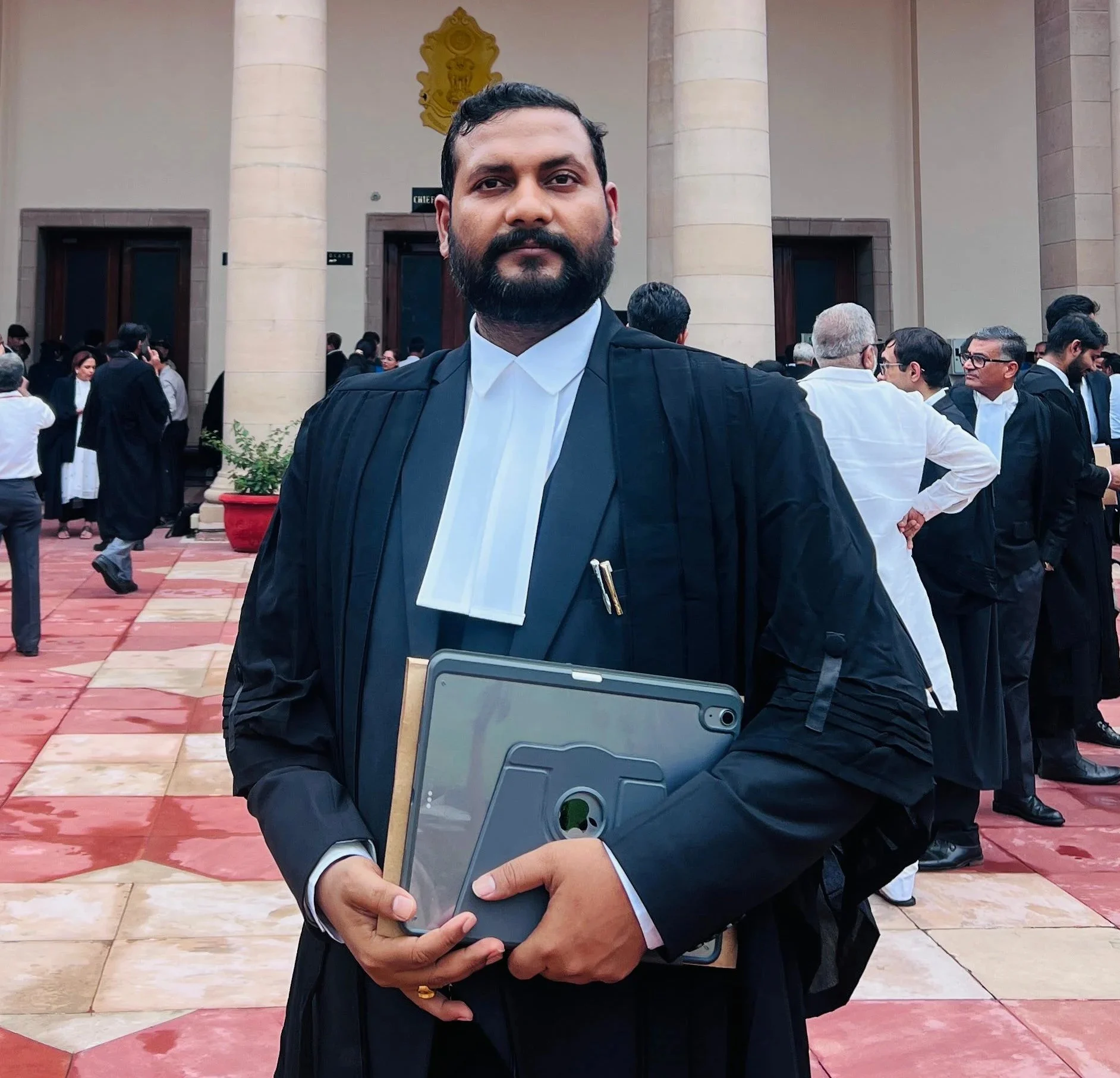
An attorney will analyze if arbitration was properly invoked, determine the appropriate Court, draft the record of documents and respond to challenges filed by the other party. Advocate BK Singh can also help determine if you need temporary relief under Section 9 of the Act during the pendency of the appointment proceedings.
Learn more about how Legal365 can connect you to vetted arbitration lawyer services for commercial and contract disputes in Delhi NCR and across India. Here, we aim to educate readers about the basics of how Section 11 appointments work and where a lawyer can add value to your case.
Why Section 11 Matters in India in 2026
A delayed appointment can leave an entire commercial claim hanging. Funds get tied up. Property gets sold. Documents become more difficult to locate and business relationships sour. Even if a company has a winning contractual argument, weeks or months can be wasted if the tribunal has not been appointed.
Delhi, Noida, Gurugram, Faridabad, Ghaziabad and New Delhi see a high volume of arbitration disputes stemming from construction agreements, IT contracts, leases, logistics agreements, franchise deals and shareholder agreements. Mumbai, Bengaluru, Hyderabad, Chennai, Kolkata, Ahmedabad and other business hubs also see many of these disputes.
Maintaining a registered office in a particular city is only one factor that determines court jurisdiction. The arbitration seat itself, the contract language and the type of arbitration will often be more important. For those in Delhi NCR, Advocate BK Singh can analyze these issues prior to having a Section 11 petition drafted.
Quickness is desirable, but proper drafting is more important. A hastily prepared petition brought in the incorrect court can take just as long (if not longer) than a proper petition.
Quick Facts
- Section 11 deals with appointment of arbitrators.
- There should be an arbitration agreement in writing.
- Arbitration agreement should be within the ambit of Section 7.
- A notice under Section 21 which seeks to invoke arbitration should also have been issued.
- Few defaults which are actionable are after 30 days opportunity.
- Application for appointment of Arbitrators domestically would usually be made to the High Court.
- Supreme Court is the court for appointment of Arbitrators in International Commercial Arbitration.
- The court for the appointment purposes would prima facie look at the case. Not conduct a trial of the claim in the contract.
Who Needs Section 11 Guidance?
Section 11 also applies to contractors, suppliers, startups, lenders, borrowers, landlords, franchise owners, shareholders, service providers and vendors who do business with the public sector and have an arbitration agreement in their contracts. If the respondent ignores your request for appointment, you as a petitioner may require assistance. If someone sends you an invocation notice, you may need advice as a respondent if the notice is improperly drafted, if the claim is time-barred, if the signatory to the agreement is not the party you name in the arbitration or if the court where you send the papers does not have power to help you. People often believe that only large businesses should worry about arbitration.
Which Documents Should You Prepare?
Ideally, the Section 11 file includes:
- Agreement with the arbitration clause duly signed.
- Variations, addendums, purchase orders, work orders etc.
- Notice of invocation of arbitration under Section 21.
- Evidence of delivery and receipt.
- Response/refusal/offer from the Respondent.
- Invoices, payment evidence and correspondence establishing the dispute.
- Board resolution/letter of authority if the petitioner is a company.
- Identity and ROC documents of the parties.
Respondents and petitioners often send only the arbitration clause page. While technically included in the contract, that’s seldom enough to decide. The contract itself may define the seat/notice address/governing law/pre-arbitration steps.
Advocate BK Singh sometimes bifurcates appointment phase documents from those that mainly serve to substantiate the underlying claim. It makes writing petitions more straightforward and hearings less chaotic.
What Happens If the Matter Is Ignored?
Ignoring the Section 21 notice doesn’t make the dispute go away. The other party can file their own petition. They can apply for interim measures or ask the court to make the appointment without your preferred involvement.
The financial exposure increases with contractual interest and costs. Evidence can become more difficult to obtain as employees leave, emails are archived and business records are moved. You’ll also lose senior management time.
For respondents, failure to respond to the Section 21 notice can result in losing the chance to present a practical objection or propose a suitable independent arbitrator. Claimants who wait to invoke may find themselves faced with limitation arguments against both the underlying claim and the request for appointment.
When Should You Consult a Lawyer?
You should speak to Advocate BK Singh as soon as the other party rejects/ignores your request to appoint, disputes the validity of the arbitration clause, nominates an arbitrator who may not be eligible and threatens imminent action against your assets. Seek advice even before making the invocation where there are multiple agreements, a different seat or associated non-signatories and it is unclear whether the Arbitrator has jurisdiction.
Also speak to Advocate BK Singh at the earliest if a Section 9 application, injunction petition, insolvency petition or parallel civil lawsuit has already been initiated. Strategy and timing of any representation may be impacted by the other proceedings.
Consultation is particularly helpful if:
- The 30 days to make the appointment are ticking by.
- The contract refers to an institution which is no longer operational or does not have an appointing authority.
- Associated entities also need to be added.
- Limitation is looming or being disputed by the other side.
- The respondent party did not sign the agreement.
- You need urgent interim relief
Advocate BK Singh can tell you whether you have an appointment issue or a dispute on the merits. He can also tell you what issues the High Court is likely to look at on this application.
How Can Legal365 Help?
The arbitration clause can be reviewed by Legal365. The appropriate Section 11 route can be determined, the notice of invocation can be drafted and the petition for appointment can be prepared. Jurisdiction, limitation, eligibility for arbitrators and any interim-relief considerations can also be reviewed by Advocate BK Singh.
Support is provided to clients for organizing their documents, responding to the appointment notices, representing them in Court and moving into the arbitration proceedings. Commercial advice and litigation support can also be provided by Legal365 through its network of qualified lawyers.
Advocate BK Singh will focus on reviewing your specific facts and will not guarantee your appointment or an favourable award by the arbitration tribunal. The relief from Court, timeline to get through the procedure and your end result will differ on a case-by-case basis.
Frequently Asked Questions
1. What does Section 11 arbitration lawyer do?
2. Is sending a legal notice sufficient before Section 11 petition can be filed?
3. Can Advocate BK Singh file Section 11 petition in Delhi High Court?
4. Can court adjudicate on the claim amount mentioned in the contract under Section 11?
5. What if the respondent does not respond within 30 days?
6. Which court will appoint an arbitrator?
7. Can we appoint an arbitrator if contract is unstamped?
8. Can Advocate BK Singh resist appointment petition?
9. Can we file for interim relief before appointment?
10. Does appointment of arbitrator mean I have won?
Conclusion
Section 11 petition land looks narrow once you get there, but simple mistakes can delay the arbitration itself. The agreement, notice of invocation, failure to establish jurisdiction and appointment should tell one cohesive procedural narrative. Advocate BK Singh can evaluate that groundwork prior to filing a petition or advise a respondent on an appointment notice already received. Promptness preserves time to make decisions; it does not ensure appointment or victory on the merits.